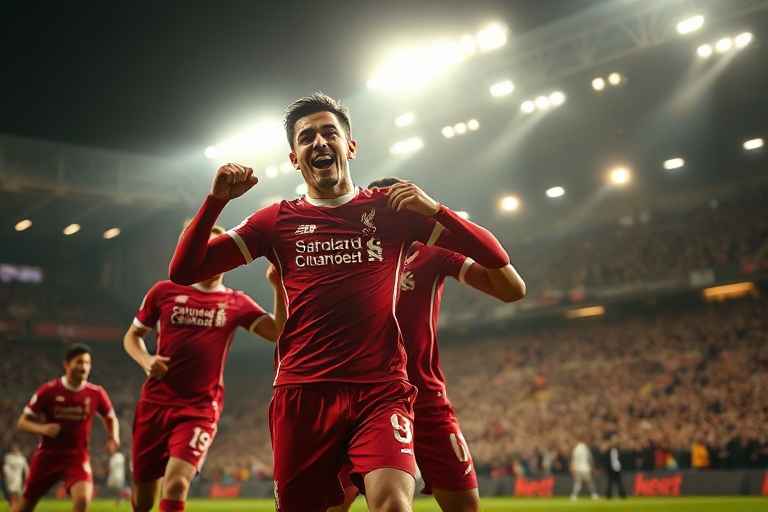
theo walcott
Theo Walcott’s career is a testament to raw talent, relentless work ethic, and the unpredictable nature of football. Drafted into professional football as a teenager, he became the youngest player to represent England at the time. His journey from the academy ranks of Southampton to the bright lights of Arsenal and Everton showcases both his extraordinary potential and the challenges of living up to immense expectations.
Walcott’s story is not just about speed and skill—it’s about resilience. Despite facing criticism for unfulfilled potential, he carved out a respected career, transitioning from a teenage sensation to a Premier League veteran. His legacy is defined by moments of brilliance, leadership in dressing rooms, and a career that spanned nearly two decades at the highest level.
Early Life and Rise Through the Ranks
Born on March 16, 1989, in Stanmore, London, Walcott grew up with a deep passion for football. His talent was evident early, and by the age of 10, he was already turning heads in local youth leagues. His technical ability and explosive pace caught the attention of scouts, leading to his move to Southampton’s academy at 14—a decision that would set the stage for his professional breakthrough.
At Southampton, Walcott progressed through the youth ranks with remarkable speed. His performances in the youth team and reserve matches were nothing short of electrifying. By the 2004-05 season, he had made his first-team debut at just 16 years old, becoming the club’s youngest-ever player. His first goal for the senior team came shortly after, signaling the arrival of a new star.
The 2005-06 season was where Walcott truly announced himself. Playing a pivotal role in Southampton’s promotion push, he scored five goals in his first 20 appearances. His dazzling displays on the wing—marked by blistering pace, precise crosses, and a fearless approach—made him one of the most exciting prospects in English football. By the end of the season, he had earned comparisons to legendary wingers and was on the radar of England’s senior team.
The Move to Arsenal: A Debut Season of Highs and Lows
Walcott’s rapid rise did not go unnoticed, and in January 2006, Arsenal secured his signature for a reported £5 million. The move was met with both excitement and skepticism. At just 16, he was the youngest player ever signed by Arsenal, and expectations were sky-high. The Gunners, managed by Arsène Wenger, were known for developing young talent, but the pressure to deliver immediately was immense.
His debut in a pre-season friendly against Barnet in August 2006 was a sign of things to come. Walcott scored a hat-trick, announcing his arrival with a performance that showcased his lethal combination of speed and finishing. However, his first league appearance—a substitute cameo against Manchester City—ended in controversy. His challenge on Sylvain Distin led to a red card and a three-match ban, casting a shadow over his early days in North London.
Despite the setback, Walcott gradually found his rhythm. His first Premier League goal came in a 2-1 win over Sheffield United in October 2006, a strike that hinted at his potential. The 2006-07 season was a learning curve, with Walcott often used as a substitute to manage his development. By the following season, he began to feature more regularly, forming a dynamic partnership with the likes of Robin van Persie and Emmanuel Adebayor.
One of his standout moments came in the 2007-08 UEFA Champions League, where he scored a crucial goal against Sevilla. His ability to take on defenders and deliver in big games started to silence his critics. Yet, the question of whether he could consistently replicate his early promise remained a topic of debate among fans and pundits alike.
International Career: A Record-Breaking Debut and Lingering Questions
Walcott’s international career began in extraordinary fashion. In May 2006, at the age of 17 years and 75 days, he became the youngest player ever to represent England. His debut came in a friendly against Hungary, where he provided an assist for Peter Crouch’s goal. The achievement made headlines worldwide, and many believed he was destined for greatness on the international stage.
His inclusion in England’s 2006 World Cup squad further cemented his status as a prodigy. Though he did not feature in the tournament, the experience of being among the squad at such a young age was invaluable. Over the next decade, Walcott became a regular in the England setup, earning 47 caps and scoring eight goals. He played in two European Championships (2012 and 2016) and the 2014 World Cup, often featuring as a winger or false nine.
However, his international career was not without controversy. Critics argued that his performances for England did not match the hype generated by his club career. Despite his technical ability, he often struggled to replicate his club form on the international stage. Injuries also hampered his progress, limiting his impact in major tournaments. His final appearance for England came in a 2018 World Cup qualifier against Slovenia, marking the end of a journey that began with such promise.
Later Career and Legacy: From Arsenal to Everton and Beyond
By the mid-2010s, Walcott’s future at Arsenal was uncertain. His role at the club had evolved from a teenage sensation to a squad player, often deployed in a deeper position or as a false nine. His relationship with the club became strained, and in January 2018, he made a surprising move to Everton for a reported £20 million. The transfer was met with mixed reactions—some saw it as a chance for redemption, while others questioned whether he could still deliver at the highest level.
At Everton, Walcott found a new lease on life under manager Sam Allardyce. Playing in a more central role, he rediscovered his form, scoring 17 goals in his first 18 months. His partnership with the likes of Gylfi Sigurðsson and Richarlison revitalized his career, proving that he still had plenty to offer. However, injuries continued to disrupt his progress, and by the time Carlo Ancelotti took charge, Walcott’s role diminished.
In 2020, Walcott left Everton and joined Southampton on a free transfer, returning to the club where his professional career began. The move was emotional for him, and he quickly became a fan favorite. His experience and leadership were invaluable, particularly for the younger players in the squad. Though he did not score in his first season back, his work ethic and influence were undeniable. In the 2021-22 season, he rediscovered his scoring touch, contributing crucial goals in Southampton’s survival battle.
Walcott announced his retirement from professional football in August 2023, ending a career that spanned nearly two decades. His departure marked the close of a chapter that began with so much promise but was defined by the challenges of living up to it. Today, he remains involved in the game as a pundit and commentator, offering insights from the perspective of a player who experienced both the highs and lows of top-flight football.
Key Takeaways from Theo Walcott’s Career
- Early Promise: Walcott’s rise from Southampton’s academy to becoming England’s youngest-ever player highlights the unpredictability of talent development in football.
- Resilience: Despite facing criticism and injuries, he adapted his game and found success in different roles and clubs.
- International Struggles: His England career, while lengthy, often fell short of expectations, reflecting the challenges of translating club form to the international stage.
- Legacy: Walcott’s career is a reminder of the fleeting nature of football fame and the importance of perseverance in the face of adversity.
Walcott’s journey is one of contrasts—moments of brilliance juxtaposed with periods of frustration. He was never the finished article, but his career was defined by his ability to reinvent himself. Whether as a winger, false nine, or deeper-lying forward, he brought energy, creativity, and a never-say-die attitude to every team he played for.
For aspiring footballers, Walcott’s story is a lesson in the importance of hard work and adaptability. For fans, it is a reminder that potential alone is not enough—it is what you do with it that truly matters. As he transitions into the next phase of his life, Theo Walcott leaves behind a career that, while not without its flaws, was undeniably impactful.
For more on legendary football careers, explore our Sports category. To dive deeper into the stories behind football icons, visit our Analysis section.