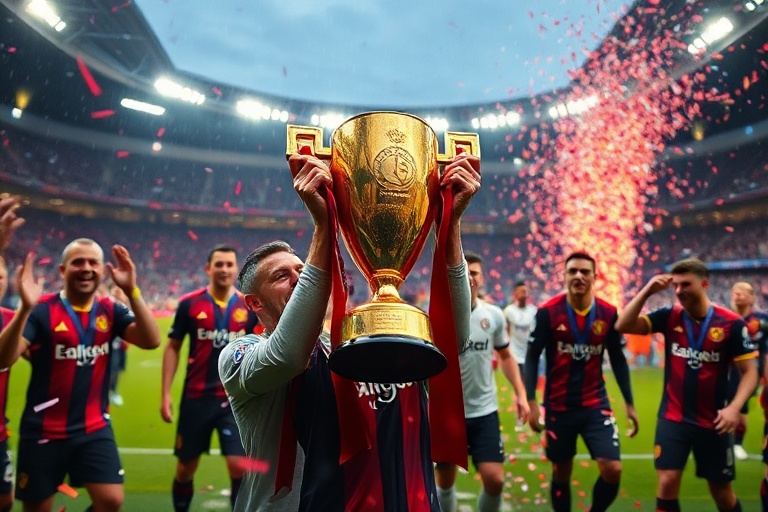
The clash between FC Cincinnati and New York Red Bulls isn’t just another MLS regular-season match—it’s a collision of philosophies. The former represents the bold, brash energy of a club that burst into the league just five years ago, while the latter embodies the disciplined, defensive pragmatism of a team with deep roots in American soccer. This fixture offers more than points; it offers a snapshot of how soccer culture is evolving across different regions of the United States.
FC Cincinnati’s rise has been rapid and unconventional. Founded in 2015, the club entered MLS in 2019 with fanfare and a clear identity: high-energy, attacking play and an electric in-stadium atmosphere. The team’s style under head coach Pat Noonan has become synonymous with pressing, quick transitions, and relentless buildup from the back—a reflection of the city’s blue-collar resilience and passion for entertainment. Cincinnati’s Nippert Stadium, one of the loudest venues in the league, amplifies this ethos, creating an environment where soccer feels more like a rock concert than a traditional sporting event.
The New York Red Bulls, by contrast, have been a model of consistency since their MLS debut in 1996. Known for their structured, high-pressing system under managers like Mike Petke and Jesse Marsch, the Red Bulls have long prioritized tactical discipline over star power. Their identity is built on athleticism, organization, and a commitment to youth development through the Red Bulls Academy. The team’s style isn’t flashy, but it’s effective—rooted in European influences and designed to wear down opponents over 90 minutes.
The Tactical Divide: Pressing vs. Structure
When these two teams meet, the tactical contrast is stark. FC Cincinnati operates with a front-foot mentality, often deploying a 3-5-2 or 4-3-3 formation that encourages wing play and quick combinations in wide areas. Their press is aggressive, aiming to force turnovers high up the pitch and create chances within seconds. This approach has drawn comparisons to clubs like Atalanta B.C. in Serie A, where verticality and creativity are prized over possession.
The Red Bulls, meanwhile, play in a 4-4-2 diamond or 4-2-3-1, prioritizing midfield control and compactness. Their press is calculated rather than chaotic, designed to funnel play into less dangerous areas. This system has roots in the German school of soccer, where pressing is used as a tool to regain possession rather than as a constant attacking mechanism. The Red Bulls’ ability to transition quickly from defense to attack—often through long balls or direct passes—reflects their commitment to efficiency over flair.
This tactical divide speaks to broader trends in American soccer. Cincinnati’s style aligns with the growing influence of European attacking philosophies, where creativity and spontaneity are celebrated. The Red Bulls, on the other hand, represent a more pragmatic, results-driven approach that has historically resonated in MLS, where consistency often trumps spectacle.
Cultural Context: Midwest Passion Meets Northeast Grit
The cultural undercurrents of this rivalry extend beyond the tactics. FC Cincinnati’s fanbase is a product of the city’s working-class identity and its love for underdog narratives. The club’s ownership, led by Carl Lindner III, has embraced a community-driven model, investing heavily in local initiatives and fostering a sense of belonging among supporters. This approach has paid dividends in attendance, with Cincinnati regularly ranking among the MLS leaders in average home crowds.
The Red Bulls, meanwhile, are a product of New York’s cosmopolitan landscape—a team that serves a diverse, multicultural fanbase spread across the New York metropolitan area. Their fan culture is less centralized than Cincinnati’s, with supporters groups like the Garden State Ultras and the Empire Supporters Club scattered across New Jersey and New York. The Red Bulls’ identity is shaped by the city’s immigrant communities, particularly those with roots in Latin America and Europe, which have influenced the club’s global appeal.
Geographically, these two teams couldn’t be more different. Cincinnati, a former meatpacking hub turned tech and healthcare hub, sits on the edge of the Midwest, a region where soccer is still fighting for mainstream acceptance. The Red Bulls, by contrast, operate in the heart of the Northeast, where soccer has long been a staple of the sports landscape. This regional divide adds another layer to their matchups, with Cincinnati often playing the role of the plucky outsider and the Red Bulls embodying the establishment.
Key Matchups and Player Dynamics
When Cincinnati and the Red Bulls face off, individual battles can often decide the outcome. One of the most intriguing matchups in recent years has been between Cincinnati’s forward Luciano Acosta and the Red Bulls’ defensive midfielder Kyle Duncan. Acosta, known for his dribbling and playmaking, thrives in the chaos of Cincinnati’s high press, while Duncan’s ability to break up plays and distribute from deep provides a counterbalance to the Red Bulls’ structured system.
Another key dynamic is the battle between Cincinnati’s physical center-backs, like Matt Miazga, and the Red Bulls’ mobile forwards, such as Elias Manoel. Miazga’s aerial dominance and physicality can disrupt the Red Bulls’ buildup, while Manoel’s speed and technical ability can exploit space behind Cincinnati’s high line. These individual duels highlight the broader tactical chess match that unfolds in every match between these two teams.
The bench also plays a crucial role. Cincinnati’s reliance on fresh legs and tactical flexibility under Noonan contrasts with the Red Bulls’ reliance on structured substitutions and set-piece specialists. This difference in approach often leads to late-game drama, with Cincinnati pushing for a winner and the Red Bulls looking to absorb pressure and counter on the break.
The Global Perspective: How MLS is Shaping—and Shaped By—International Trends
Beyond the on-field action, the Cincinnati vs. Red Bulls rivalry reflects broader trends in MLS and global soccer. Cincinnati’s style is emblematic of the league’s growing embrace of European attacking principles, a shift that has been accelerated by the influx of international players and coaches. The club’s success has demonstrated that American audiences are hungry for a more dynamic, entertaining brand of soccer—a trend that has influenced other expansion teams like St. Louis City SC and Charlotte FC.
The Red Bulls, meanwhile, represent a different path—one where long-term development and tactical discipline take precedence over short-term excitement. This approach has made the Red Bulls one of the most consistent teams in MLS history, with multiple Supporters’ Shield wins and a reputation for developing young talent. It’s a model that has drawn comparisons to clubs like Borussia Dortmund in the Bundesliga, where youth development and pressing are central to the club’s identity.
From a global perspective, the rivalry between Cincinnati and the Red Bulls offers a microcosm of how soccer is evolving in the United States. On one hand, there’s the push for a more entertaining, attacking style that appeals to younger fans and casual viewers. On the other, there’s the enduring value of structure, discipline, and development—a model that has proven successful in both MLS and top European leagues.
As MLS continues to grow, the lessons from this rivalry will become increasingly relevant. Clubs like Cincinnati and the Red Bulls are proving that there’s room for multiple styles of play in American soccer, and that fan engagement can be fostered in different ways. Whether it’s through the electric atmosphere of Nippert Stadium or the tactical battles at Red Bull Arena, these matchups offer a glimpse into the future of the sport in the U.S.
Conclusion: More Than Just a Game
The next time FC Cincinnati and New York Red Bulls take the field, it won’t just be a contest between two teams—it will be a clash of philosophies, cultures, and visions for the future of soccer. Cincinnati brings energy, creativity, and a connection to its community, while the Red Bulls offer structure, consistency, and a global perspective. Together, they represent the diversity of thought that makes MLS such a compelling league.
For fans, these matches are a reminder that soccer is more than just a sport; it’s a reflection of the cities and communities that support it. Whether you’re cheering from the stands in Cincinnati or watching from afar in New York, the beauty of this rivalry lies in its ability to showcase the many ways the beautiful game can be played—and enjoyed.
As MLS continues to expand and evolve, the lessons from this rivalry will resonate far beyond the field. For clubs, it’s a reminder that success can come in many forms. For fans, it’s a celebration of the passion and diversity that make soccer the world’s game.