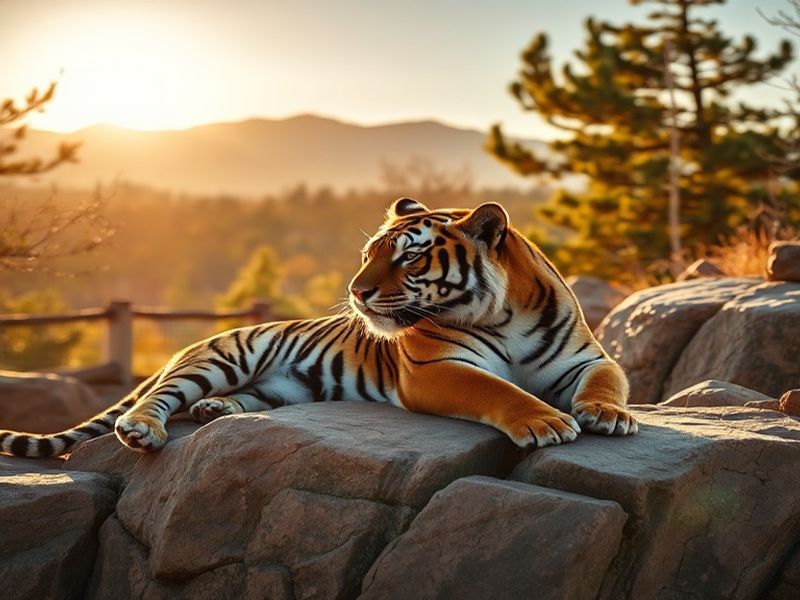
The Denver Zoo sits in the heart of City Park, a sprawling 80-acre sanctuary that has been a cornerstone of Denver’s cultural and educational landscape since 1896. Originally gifted to the city by local businessman and philanthropist Adolph Coors, the zoo began with a single bear and a vision: to connect people with wildlife while fostering conservation and education. Over 125 years later, it remains one of the most visited zoos in the United States, welcoming nearly 2 million guests annually. But beyond the giraffes, polar bears, and penguins, the Denver Zoo plays a vital role in wildlife conservation, community engagement, and urban environmental stewardship.
Its location in an urban setting is no accident. Unlike traditional zoos in rural areas, Denver Zoo integrates seamlessly into the city’s fabric, offering residents and visitors alike a space to reflect on humanity’s relationship with nature. In an era where biodiversity loss and climate change dominate headlines, the zoo’s mission feels more urgent than ever. It’s not just a place to observe animals—it’s a living laboratory where conservation science, education, and entertainment intersect.
The Zoo’s Conservation Legacy: Beyond the Enclosure
Denver Zoo has long been a leader in wildlife conservation, not only within Colorado but across the globe. Through partnerships with international organizations such as the Species Survival Plan (SSP) and the Association of Zoos and Aquariums (AZA), the zoo participates in breeding programs for endangered species like the Amur tiger, black-footed ferret, and African penguin. These efforts are critical, especially as wild populations continue to decline due to habitat destruction, poaching, and climate change.
One standout initiative is the zoo’s involvement in the recovery of the black-footed ferret, North America’s most endangered mammal. Once thought extinct, small populations were rediscovered in the 1980s. Denver Zoo has been part of the captive breeding and reintroduction efforts, helping to restore populations in the wild. The program is a testament to how zoos can act as arks for species on the brink—temporary havens until their habitats can be secured or restored.
The zoo’s conservation work extends beyond its gates. Through its Quarters for Conservation program, launched in 2009, Denver Zoo allocates a portion of every admission ticket to support field conservation projects around the world. Since its inception, the program has raised millions of dollars for initiatives focused on everything from elephant corridors in Kenya to sustainable fishing practices in Belize. Patrons aren’t just visitors; they become stakeholders in global wildlife protection.
Key Conservation Programs and Their Impact
- Amur Leopard Breeding Program: Partnering with the AZA and Russian conservation groups to increase genetic diversity and reintroduce leopards into the wild in the Russian Far East.
- Panamanian Golden Frog Recovery: Supporting research and breeding efforts for this critically endangered amphibian, which is now extinct in the wild due to chytrid fungus.
- Primate Rescue and Rehabilitation: Collaborating with sanctuaries in Africa and Asia to rescue and rehabilitate primates affected by illegal wildlife trade and habitat loss.
- Colorado Native Species Protection: Restoring habitats for native species like the burrowing owl and swift fox within the state through partnerships with local land trusts and agencies.
These programs demonstrate that conservation isn’t just a global endeavor—it’s also deeply rooted in local ecosystems. Denver Zoo’s efforts to protect native species reflect a growing trend in urban zoos: the shift from showcasing exotic animals to becoming active participants in regional biodiversity conservation.
Education and Community: Building a Culture of Care
A zoo’s educational role is often overshadowed by its entertainment value, but at Denver Zoo, learning is woven into every exhibit, program, and encounter. Through initiatives like Zoo Camps, Teen Volunteer Programs, and after-hours events, the zoo reaches over 150,000 students and educators each year. These programs go beyond facts and figures; they foster empathy and curiosity about wildlife, encouraging young people to see themselves as future conservationists.
One innovative example is the zoo’s “Zoo on the Go” program, which brings live animals and interactive lessons directly to schools across Colorado and Wyoming. In a state where many rural communities are hours from major cultural institutions, this outreach is vital. It ensures that all children—regardless of geography—have access to high-quality science education and exposure to wildlife they might never see otherwise.
The zoo also plays a key role in community health and wellness. Studies show that time spent in nature reduces stress and improves mental health. By offering free or discounted admission days, hosting yoga classes in the park, and creating sensory-friendly experiences for neurodivergent visitors, Denver Zoo positions itself as a public health resource. In a city where mental health challenges are rising, green spaces and animal encounters offer tangible benefits.
The Future of Zoos: Balancing Entertainment, Ethics, and Conservation
Despite their contributions, zoos are not without controversy. Animal welfare advocates often question the ethics of keeping wild animals in captivity, even in state-of-the-art enclosures. Critics argue that no matter how spacious or naturalistic, captivity cannot replicate the freedom and complexity of wild habitats. The debate intensified after the 2023 release of Netflix’s documentary “Elephant Whisperers,” which highlighted the emotional lives of elephants and raised questions about their suitability for captivity.
Denver Zoo has responded to these concerns with transparency and innovation. In 2022, it unveiled the Predator Ridge exhibit, which emphasizes immersive, naturalistic habitats designed to encourage natural behaviors. The zoo also participates in the AZA’s rigorous accreditation process, which includes regular welfare assessments and third-party audits. These measures help ensure that animal care meets the highest standards.
Looking ahead, Denver Zoo is embracing a future where conservation, education, and animal welfare are not just priorities—they’re the foundation of its identity. Plans for a new $30 million conservation campus aim to expand breeding programs, enhance veterinary care, and create a hub for research. The zoo is also exploring partnerships with tech companies to use AI and data analytics to monitor animal health and behavior in real time.
But perhaps the most significant shift is philosophical: the move from seeing zoos as entertainment venues to ecological institutions. With biodiversity loss accelerating and urbanization encroaching on wild spaces, zoos like Denver’s are redefining their role. They are no longer just places to see animals—they are active participants in their survival. That evolution reflects a broader cultural shift: one where humanity recognizes its responsibility not just to observe nature, but to protect it.
Why Denver Zoo Matters in an Urbanized World
In a time when more people live in cities than ever before, zoos serve a unique function: they are portals to the natural world. They remind urban residents that wildlife isn’t confined to distant jungles or savannas—it’s part of their community, their state, and their planet. Denver Zoo embodies this idea, blending conservation science with urban accessibility, education with entertainment, and ethics with innovation.
It also highlights a critical truth: conservation doesn’t happen only in remote wilderness areas. It happens in cities, in zoos, in classrooms, and in the choices we make every day. By supporting institutions like Denver Zoo, the public isn’t just funding animal care—it’s investing in a future where humans and wildlife can coexist. That’s a legacy worth preserving.
As Denver continues to grow, so too will the zoo’s role in shaping the city’s environmental identity. It’s more than a destination for families on weekends. It’s a living testament to the idea that conservation is not a luxury—it’s a necessity, and it starts in our own backyard.
Explore More on Dave’s Locker
Interested in learning about other institutions making a difference? Check out our coverage of science and conservation initiatives or dive into cultural institutions shaping community identity.