In the ever-evolving landscape of pop music, few artists have made as immediate or as polarizing an impact as Slayyyter. Born in Missouri and raised in the digital underground, this self-described “hyperpop princess” has carved out a space that feels both nostalgic and futuristic, blending the aesthetics of early 2000s pop with the glitchy, maximalist sounds of today’s internet-native music scene. Her rise isn’t just a story of artistic evolution—it’s a reflection of how digital culture reshapes fame, identity, and creativity in the 21st century.
Slayyyter, whose real name is Camille, first emerged in 2018 with her debut single Gimmie Love, a track that felt like a time capsule of Britney Spears’ Toxic era but with a modern twist of autotune and hyperpop beats. The song’s exaggerated, almost surreal production—complete with chipmunk vocals and crunchy synths—wasn’t just a gimmick. It was a statement: pop music could be both ironic and sincere, campy and cutting-edge. This duality has become the cornerstone of her artistry, earning her a dedicated fanbase that spans continents and subcultures.
The Aesthetic of Slayyyter: Nostalgia Meets the Digital Age
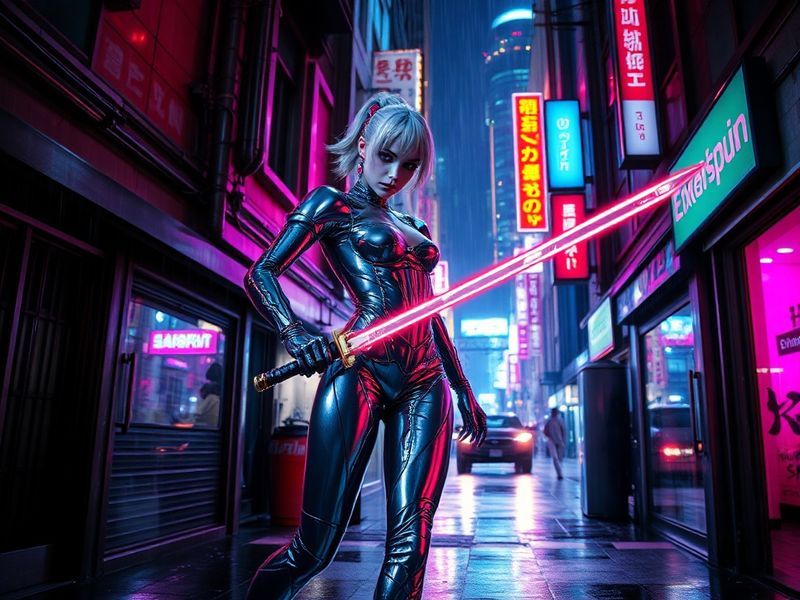
Slayyyter’s aesthetic is a carefully curated collage of early 2000s pop culture, from the glossy magazine covers of CosmoGirl to the pixelated graphics of early internet forums. Her visual identity—bright pink hair, bedazzled accessories, and a wardrobe that mixes Y2K fashion with cyberpunk edge—isn’t just a costume. It’s a form of cultural commentary, a love letter to an era that many millennials grew up in but that feels increasingly distant in today’s fast-paced digital world.
This aesthetic isn’t confined to her music videos or album art. It permeates her social media presence, where she shares everything from throwback photoshoots to surreal, AI-generated imagery. The result is a persona that feels both hyper-real and hyper-digital, a character that exists somewhere between a pop star and a meme. It’s a strategy that has paid off: Slayyyter’s fanbase, known as the “Slay Squad,” isn’t just listening to her music—they’re participating in the mythos she’s created.
Critics have often struggled to place Slayyyter within traditional genre boundaries. Is she a pop artist? A hyperpop producer? A performance artist? The answer, perhaps, is all of the above. Her 2019 debut EP, Slayyyter, and her 2021 album, Troubled Paradise, showcase her versatility, blending genres like bubblegum pop, Eurodance, and even a touch of hyperpop’s signature glitchiness. Tracks like Out of My Head and Cloud Aura (featuring Charlie XCX) feel like anthems for a generation that grew up online, where identity is fluid and nostalgia is a commodity.
Global Influence: How Slayyyter Conquered the Internet
Slayyyter’s impact isn’t limited to the United States. Her music has found a particularly strong following in Europe and Asia, where hyperpop and internet-native pop have been embraced with open arms. In Japan, for example, her collaboration with Charli XCX on Unlock It was met with enthusiasm by fans of both artists, bridging the gap between Western hyperpop and Japan’s own vibrant pop culture scene. Similarly, her performances at festivals like UK’s Glastonbury and Germany’s Rolling Stone Weekender have solidified her status as a global phenomenon.
What makes Slayyyter’s global appeal so fascinating is how she taps into universal themes of teenage rebellion, self-discovery, and the search for belonging. Her lyrics often explore the chaos of growing up in the digital age, where social media can feel both like a lifeline and a pressure cooker. Lines like “I’m a mess, but I’m glamorous” from Gimmie Love resonate with listeners who see their own struggles reflected in her glittery, exaggerated persona.
Her influence extends beyond music, too. Slayyyter has become a fashion icon for many young people, with her Y2K-inspired looks inspiring trends in streetwear and high fashion alike. Brands like Collina Strada and Telfar have cited her as an inspiration, and her collaboration with Puma in 2022 brought her aesthetic to a wider audience. In an era where pop stars are increasingly expected to be multi-hyphenate artists, Slayyyter’s ability to straddle music, fashion, and digital culture has made her a standout figure.
The Controversies and Challenges of Being a Digital Pop Star
Of course, Slayyyter’s rise hasn’t been without its controversies. Early in her career, she faced criticism from some quarters for her use of the term “slayyyter,” which some argued was appropriative or offensive. Others questioned whether her persona was authentic or merely a calculated gimmick. Slayyyter has addressed these critiques in interviews, emphasizing that her artistry is a celebration of the online spaces she inhabits. In a 2020 interview with The Fader, she said, “I’m not trying to be anyone else. I’m just being myself, but louder.”
There have also been challenges that come with being an internet-native artist. The constant pressure to stay relevant in a landscape where trends shift overnight can be exhausting. Slayyyter has spoken openly about the mental health struggles that come with fame, particularly in the age of social media. Her music often reflects this tension, with songs like Self Destruction and Thos Moser delving into themes of self-doubt and the pressures of perfectionism.
Despite these challenges, Slayyyter has remained steadfast in her vision. Her third album, Starfucker, released in 2023, saw her experimenting with darker, more introspective themes while still maintaining her signature sound. The album’s lead single, Out of My Head, was a collaboration with Caroline Polachek and was praised for its emotional depth and production. It’s a testament to Slayyyter’s growth as an artist—one who is unafraid to evolve while staying true to her roots.
What’s Next for Slayyyter?
As Slayyyter continues to push the boundaries of pop music, one question looms large: what’s next for this digital pop princess? With her fourth album already in the works, fans can expect more of the same boundary-pushing creativity that has defined her career so far. But beyond music, Slayyyter’s influence shows no signs of slowing down. Whether it’s through fashion collaborations, visual art, or her continued presence in gaming and digital spaces, she’s proving that pop stardom in the 21st century is about more than just hit singles—it’s about creating a world.
For those who’ve followed her from the beginning, Slayyyter’s journey is a reminder of the power of authenticity in an era where personas are often curated for algorithms. She’s a product of the internet, but she’s also a rebel against its constraints, using her platform to celebrate the messy, glittery, unapologetic side of pop culture. In a world where pop stars are often expected to be flawless, Slayyyter’s willingness to embrace her flaws—both in her music and her persona—has made her a beacon for a generation that values realness over perfection.
As she continues to evolve, one thing is certain: Slayyyter isn’t just a pop star. She’s a cultural force, a digital native, and a testament to the power of artistry in the internet age. And if her past work is any indication, the best is yet to come.