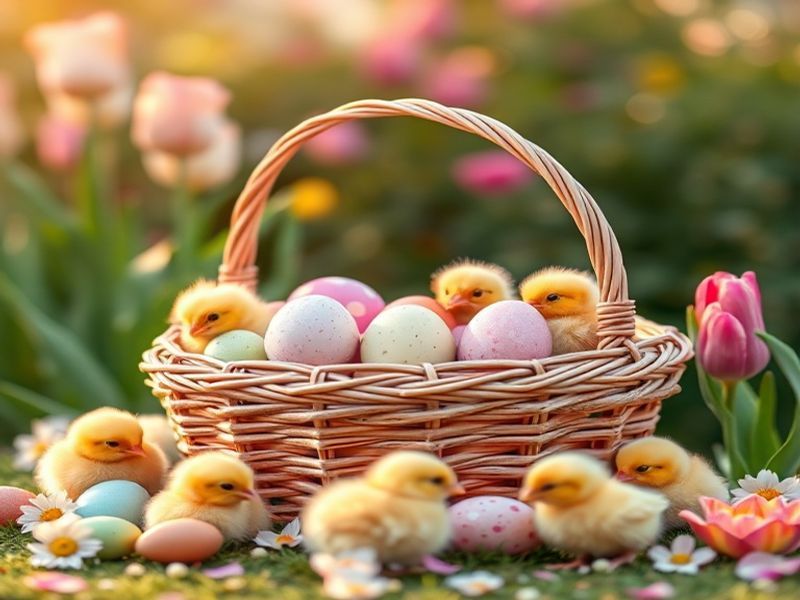
Easter remains one of the most widely observed holidays across the globe, blending ancient traditions with contemporary expressions. While its religious roots remain central for many, the holiday has evolved into a cultural touchstone celebrated through greetings, symbols, and shared meals. Understanding the nuances of Easter greetings requires examining both their historical significance and their modern adaptations in digital communication.
The Historical Roots of Easter Greetings
The tradition of exchanging Easter greetings stretches back centuries. Early Christians used the holiday as a moment to reaffirm faith and community ties. Written greetings emerged during the medieval period, often featuring religious iconography. By the 19th century, printed Easter cards became popular in Europe, particularly in England, where the first commercial Easter card was produced in 1875 by the firm of Alexander Park & Co.
These early cards typically depicted resurrection scenes, lambs, or spring flowers. The shift from strictly religious imagery to more general spring themes began in the early 20th century, reflecting broader cultural changes. Today, Easter greetings serve multiple purposes: reinforcing faith, celebrating renewal, and simply sharing joy with loved ones.
Modern Easter Greetings: From Cards to Digital Wishes
The way people exchange Easter greetings has transformed dramatically in recent decades. Traditional paper cards still hold significance, especially among older generations and in more religious communities. However, digital communication has introduced new forms of expression. Social media platforms now feature Easter-themed posts, memes, and video greetings, particularly among younger demographics.
The evolution of Easter greetings reflects broader societal trends in communication. Where once a handwritten note carried months of anticipation, today’s instant messages and emoji-laden greetings prioritize speed and informality. This shift doesn’t diminish the sentiment behind the greetings but rather demonstrates how traditions adapt to technological advancements.
Common Elements in Easter Greetings
Regardless of the medium, Easter greetings often incorporate several key elements:
- Symbolism: Crosses, eggs, bunnies, and spring flowers frequently appear in both religious and secular greetings.
- Color Palette: Pastels dominate modern Easter greetings, while richer tones often feature in traditional religious contexts.
- Tone: Messages range from solemn religious blessings to cheerful spring celebrations.
- Personalization: Customized greetings that reference family, friends, or local traditions are increasingly popular.
- Multimedia: Digital greetings often include animations, music, or interactive elements.
The Broader Cultural Impact of Easter Greetings
Easter greetings serve as more than mere pleasantries; they reinforce social bonds and cultural identity. In multicultural societies, they become a point of connection between different communities. For instance, in the United States, Easter greetings often bridge religious and secular divides, with many non-Christians participating in the festive aspects of the holiday.
The commercialization of Easter has also influenced greeting traditions. Retailers promote everything from chocolate eggs to themed stationery, creating new contexts for exchanging greetings. This commercial aspect sometimes draws criticism for diluting the holiday’s spiritual significance, though it simultaneously provides opportunities for creative expression.
Easter greetings also play a role in maintaining long-distance relationships. In an era where families are often geographically dispersed, these messages become vital tools for staying connected. Whether through a carefully chosen card or a quick digital message, the act of reaching out carries emotional weight.
Crafting Meaningful Easter Greetings in 2024
As we navigate an increasingly digital world, the challenge lies in creating greetings that feel personal and meaningful. For those seeking inspiration, consider these approaches:
- Incorporate Personal Memories: Reference shared experiences or inside jokes that resonate with your recipient.
- Balance Tradition and Innovation: Combine classic Easter symbols with modern design elements.
- Consider the Recipient: Tailor your greeting to their beliefs, interests, and communication preferences.
- Add a Handwritten Touch: Even in digital contexts, a handwritten note or signature can elevate a greeting.
- Focus on Shared Values: Emphasize themes of renewal, hope, or community that extend beyond religious boundaries.
For those looking to explore more about holiday traditions, Dave’s Locker Entertainment offers insights into cultural celebrations. Meanwhile, Dave’s Locker Culture provides broader context on how holidays shape and reflect societal values.
Conclusion: The Enduring Power of Easter Greetings
Easter greetings represent a unique intersection of tradition, faith, and modern communication. Whether delivered through a carefully crafted card, a heartfelt message, or a digital post, these greetings carry the power to connect, uplift, and renew. As society continues to evolve, so too will the ways we express holiday greetings—but the underlying desire to connect and celebrate remains constant.
In an era where digital interactions often replace face-to-face communication, the simple act of sending an Easter greeting takes on added significance. It becomes a tangible expression of care, a moment of pause in our busy lives, and a reminder of the enduring human need for connection. As we celebrate Easter in 2024, the greetings we exchange—whether traditional or innovative—will continue to weave the fabric of our shared cultural experience.