March Madness: The Cultural and Financial Impact of the NCAA Tournament
“`html
March Madness: How the NCAA Tournament Became a Cultural Institution
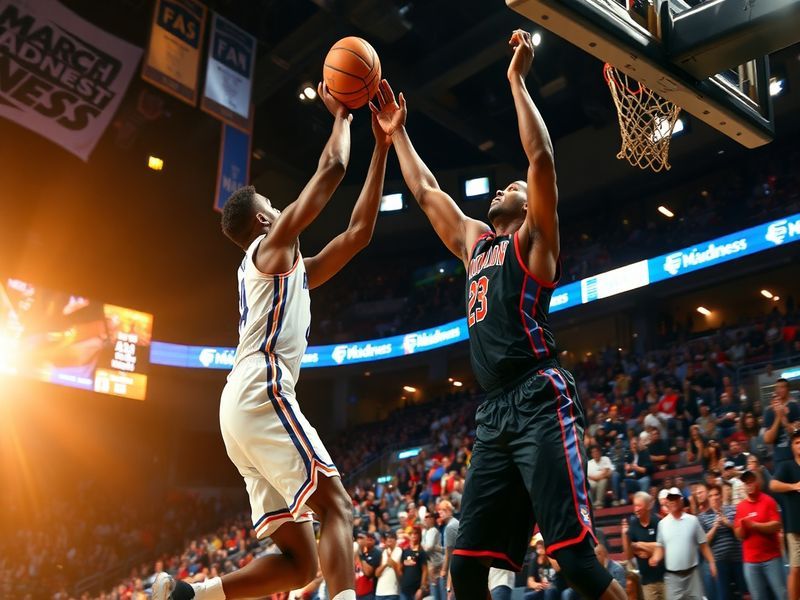
Every spring, a 68-team basketball tournament transforms the United States into a frenzy of brackets, upsets, and Cinderella stories. March Madness is no longer just a sporting event—it’s a cultural phenomenon that transcends athletics, influencing media, business, and even casual conversation. From office pools to presidential brackets, the NCAA Tournament has embedded itself into American life in ways few sporting events ever have.
The tournament’s appeal lies in its unpredictability. Unlike a best-of-seven series or a league season, a single-elimination format means one bad game can end a team’s run. This high-stakes drama plays out across three weeks, culminating in a championship weekend watched by millions. But how did a college basketball tournament grow from a regional competition into a national obsession?
The Origins and Evolution of March Madness
March Madness traces its roots to the early 20th century, when college basketball was still finding its footing. The first NCAA Tournament was held in 1939, featuring just eight teams. Organized by the National Association of Basketball Coaches, the event was designed to crown a national champion in a sport that had yet to establish itself alongside football and baseball.
For decades, the tournament remained a niche event, overshadowed by the NFL and MLB. That changed in 1951 when NBC televised the championship game for the first time. The exposure brought new fans, but the real turning point came in 1982, when CBS secured broadcast rights and introduced a full bracket system with analysis. The term “March Madness” itself, originally coined by an Illinois high school official in 1939, was trademarked by the NCAA in 1989, cementing its place in sports lexicon.
The tournament’s expansion to 64 teams in 1985 and later to 68 in 2011 ensured more games, more upsets, and more storylines. Today, it’s the most-watched basketball event in the country, drawing over 10 million viewers for key matchups.
The Business of Madness: Economics Behind the Tournament
March Madness is a financial juggernaut, generating billions in revenue annually. The NCAA’s 14-year, $11 billion deal with CBS and Turner Sports ensures that every year, the tournament becomes the most lucrative in college sports. But the economic ripple effects extend far beyond broadcast rights.
Consider the following ways the tournament drives money across industries:
- Gambling: Legal and illegal sports betting on March Madness exceeds $3 billion annually, according to the American Gaming Association. The NCAA itself does not endorse gambling, but the sheer volume of wagers underscores the tournament’s role in sports betting culture.
- Advertising: A 30-second spot during the Final Four can cost over $1 million. Brands pay premium prices to associate with the event’s high-energy, emotional atmosphere.
- Merchandising: Jerseys, brackets, and team gear see surges in sales, with Nike and Fanatics reporting record revenue during tournament weeks.
- Travel and Tourism: Host cities like Houston, San Antonio, and Indianapolis see hotel occupancy rates rise by 20% or more during early rounds, boosting local economies.
The NCAA distributes most of its tournament revenue to member schools—over $1.1 billion in 2023 alone—which helps fund athletic programs and academic initiatives. Yet critics argue that while schools profit, athletes receive no direct compensation beyond scholarships, highlighting ongoing debates about amateurism in college sports.
The Cultural Impact: More Than Just Basketball
March Madness has evolved into a shared cultural experience, uniting people across generations and backgrounds. It’s one of the few events where casual fans and die-hards engage on equal footing. The rise of social media has amplified this effect, with fans dissecting every play, meme, and upset in real time.
The tournament also serves as a unifying force in an otherwise divided political and social climate. Whether it’s a small-town school like Gonzaga or a historic powerhouse like Duke, the underdog narratives resonate broadly. In 2023, Saint Peter’s University, a 15-seed, became the first 15-seed to reach the Elite Eight, sparking nationwide celebrations and even a temporary truce in partisan Twitter debates.
Beyond sports, March Madness influences language and media. Phrases like “Cinderella team” and “bracket buster” have entered the lexicon. Even the White House has weighed in, with former President Barack Obama famously filling out a public bracket every year. The tournament’s ability to command attention across demographics—from Gen Z TikTok users to Baby Boomers watching on TV—is unmatched in sports.
For businesses, March Madness is a marketing goldmine. Companies like Quicken Loans and Buick have leveraged the event to reach new audiences. Even non-sports brands like Wendy’s and TurboTax run campaigns tied to the tournament, proving its crossover appeal.
What’s Next for the Tournament?
The future of March Madness faces both opportunities and challenges. One major shift is the NCAA’s recent policy allowing athletes to profit from their name, image, and likeness (NIL). This could reshape recruitment and team dynamics, as top prospects prioritize schools with strong branding opportunities.
Another trend is the growing influence of analytics. Teams now use data-driven strategies to scout opponents, while fans rely on advanced metrics to make bracket predictions. The rise of AI-powered tools, like ESPN’s BPI (Basketball Power Index), has turned bracketology into a science for some and a guessing game for others.
The NCAA is also experimenting with new formats. In 2024, the organization introduced a “First Four” expansion to 68 teams, ensuring even more opportunities for smaller conferences. There’s also talk of regionalizing early rounds to reduce travel costs and fan fatigue.
Yet the tournament’s soul—its unpredictability—must remain intact. Fans cherish the moments when a 16-seed shocks the world or a mid-major school makes a deep run. Any changes that prioritize revenue over drama risk alienating the audience that made March Madness a tradition.
Why March Madness Still Matters
In an era of algorithm-driven entertainment, March Madness stands out as a rare shared experience. It’s a reminder that sports can still bring people together, regardless of background or belief. The tournament’s blend of athleticism, storytelling, and sheer chaos creates a spectacle unlike any other.
For the players, it’s a chance to etch their names into history. For the fans, it’s a week (or six) of communal joy and heartbreak. And for the culture at large, it’s a brief escape into a world where anything is possible—at least until the final buzzer sounds.
As long as there are underdogs, last-second shots, and office brackets, March Madness will endure. It’s more than a tournament. It’s a tradition, a spectacle, and a testament to the enduring power of sport.
For more on the intersection of sports and culture, explore our Sports and Analysis sections on Dave’s Locker.