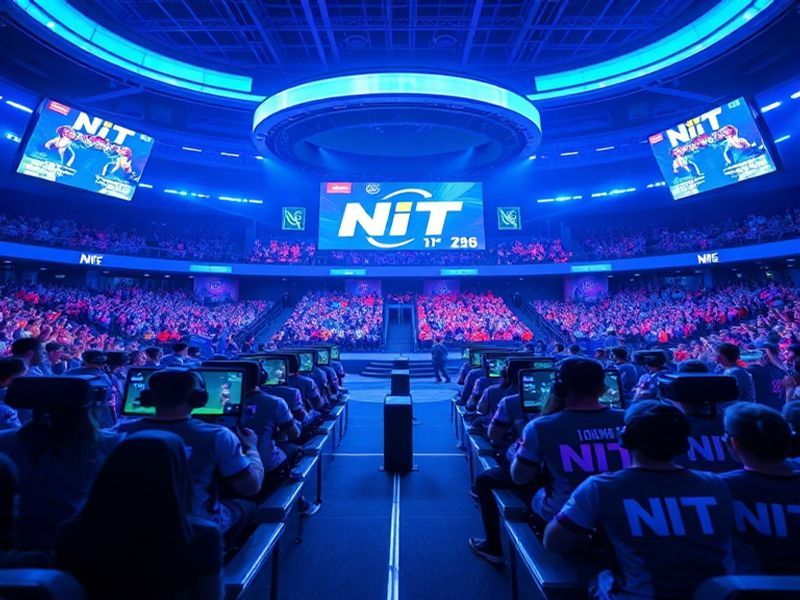
The National Invitation Tournament (NIT) has long played second fiddle to the NCAA Tournament, but the 2026 edition could mark a turning point for college basketball’s second-tier postseason event. With expanded fields, shifting scheduling priorities, and growing fan interest, the NIT is quietly evolving into a more competitive and relevant competition. As teams begin positioning themselves for a potential run in 2026, several key trends and storylines are emerging that could define the tournament’s future.
The NIT’s Growing Prestige and Expanded Field
For decades, the NIT was viewed as a consolation prize for teams that narrowly missed the NCAA Tournament. That perception has shifted significantly in recent years. The 2024-25 season saw the NIT expand from 32 to 48 teams, a move praised by coaches and analysts for giving more programs a legitimate postseason opportunity. The 2026 tournament is expected to maintain or even further expand this format, creating a wider talent pool and increasing the competition’s depth.
This expansion aligns with the NCAA’s broader efforts to modernize postseason basketball. With the transfer portal and early NBA Draft declarations reshaping team rosters annually, the NIT now serves as a crucial proving ground for mid-major programs and rebuilding teams. Programs like Iona and FGCU, which have made deep NIT runs in recent years, demonstrate how the tournament can elevate smaller programs into national conversations.
Key Factors Driving the NIT’s Rise
- Increased Television Exposure: ESPN’s multi-year deal to broadcast NIT games has brought higher production value and greater visibility to the tournament. The 2026 edition will benefit from this platform, potentially drawing casual fans who might otherwise overlook the event.
- Strategic Scheduling: The NIT now slots its games carefully, avoiding direct competition with NCAA Tournament games and major conference tournaments. This scheduling flexibility allows top teams to participate without sacrificing their primary postseason goals.
- Recruiting Advantages: For coaches at mid-major programs, a strong NIT run can be a powerful recruiting tool. The exposure helps attract transfers and high school prospects looking for competitive opportunities outside traditional power conferences.
- Player Development: Many NBA scouts now monitor NIT games closely, particularly for underclassmen who need additional showcase opportunities. The 2026 tournament could serve as a launching pad for future draft prospects.
Teams to Watch for the 2026 NIT
While powerhouse programs will likely prioritize the NCAA Tournament, several types of teams could emerge as NIT frontrunners in 2026. The tournament often becomes a stage for “what-if” stories—teams that narrowly missed the Big Dance due to injuries, close losses, or tough scheduling. Programs like Xavier or St. Bonaventure, which frequently hover on the NCAA bubble, could find themselves in prime NIT position next spring.
Another intriguing narrative involves teams from the new-look ACC and Big 12, conferences that have expanded in recent years and diluted traditional power dynamics. Programs like West Virginia or Pittsburgh—once perennial NCAA contenders—may now find themselves in the NIT mix more often. Their coaching staffs will need to adapt their strategies, emphasizing tournament-style preparation and veteran leadership to navigate an increasingly competitive field.
The 2026 NIT could also feature a surprise run from a mid-major program. Teams like Utah Valley or Morehead State, which have shown flashes of brilliance in recent years, might capitalize on a favorable bracket to make a deep run. Their success would not only validate the NIT’s expanded format but also challenge the traditional hierarchy of college basketball.
The Broader Implications for College Basketball
The NIT’s evolution reflects larger shifts in college sports, where postseason opportunities are becoming more democratic. The NCAA’s decision to expand March Madness to 96 teams in 2021 set a precedent, and the NIT’s growth suggests that secondary tournaments are gaining legitimacy. This trend could have several long-term effects:
- Leveling the Playing Field: As more teams gain postseason experience, the gap between power conferences and mid-majors may narrow. The NIT provides a platform for smaller programs to showcase their talent, potentially leading to more upsets and unpredictable outcomes in future NCAA Tournaments.
- Financial Incentives: A stronger NIT means higher revenue from broadcasting rights, sponsorships, and ticket sales. This financial boost could allow the tournament to invest in better facilities, player perks, and even increased stipends for participating athletes—a step toward addressing ongoing debates about athlete compensation.
- Cultural Shift in Fan Engagement: Younger fans, accustomed to streaming and on-demand content, may find the NIT’s shorter, fast-paced games more appealing. The tournament’s flexibility in scheduling also allows for creative formats, such as neutral-site games or regional semifinals, which could attract new audiences.
- Pressure on the NCAA: As the NIT grows in stature, the NCAA may face pressure to further reform its postseason structure. Could we see a future where the NIT and NCAA Tournament operate as co-equal events? For now, that remains speculative, but the momentum is undeniable.
What Fans Should Watch in 2026
For basketball fans, the 2026 NIT offers more than just filler games between conference tournaments and the NCAA Tournament. It’s a chance to see fresh talent, up-and-coming coaches, and the unpredictable drama of a tournament designed for teams that just missed the cut. Here’s what to keep an eye on:
- Coaching Debuts: Several high-profile assistants are expected to take head coaching jobs this offseason. A strong NIT run could serve as their first major test in the spotlight.
- Transfer Student-Athletes: The portal has made it easier for players to find new homes, and the NIT is an ideal showcase for transfers looking to prove their worth before pursuing professional careers.
- Historical Matchups: The NIT often pairs programs with long-standing rivalries that don’t always meet in the regular season. A potential 2026 clash between Memphis and Tulsa, for example, would carry extra weight given their regional proximity and basketball history.
- Analytics and Strategy: With fewer resources than powerhouse programs, NIT teams often rely on innovative game plans. Fans should watch for unconventional strategies, such as heavy zone defenses or three-point-heavy offenses, that could influence future trends.
The NIT Tournament 2026 isn’t just a consolation anymore. It’s becoming a legitimate destination for teams, players, and fans alike. As the tournament continues to expand and adapt, it may soon redefine what it means to compete in college basketball’s postseason landscape.
A Final Thought
The NIT’s journey from afterthought to must-watch event mirrors the broader evolution of college sports. In an era where tradition and innovation often clash, the tournament’s growth represents a rare win for inclusivity. Whether it’s a Cinderella story or a proving ground for future NBA stars, the 2026 NIT is poised to deliver something for everyone—long before the NCAA Tournament even tips off.