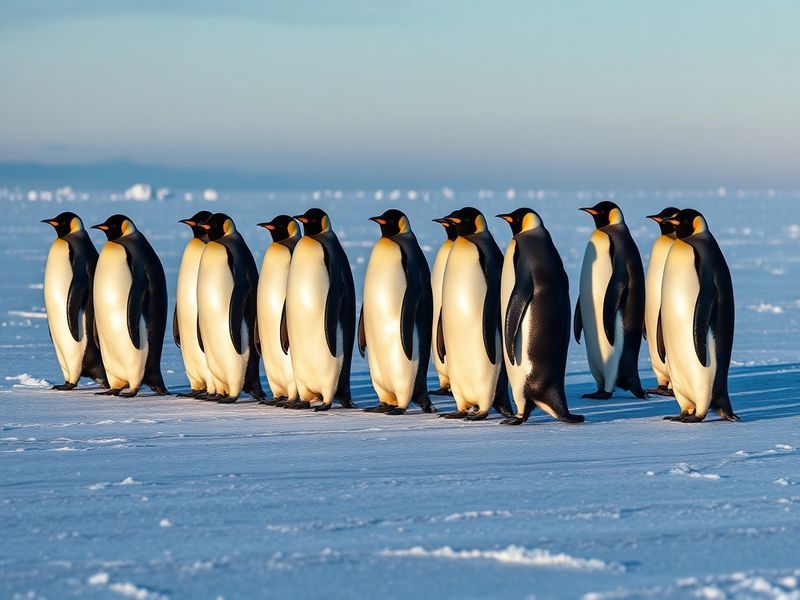
Penguin Life: The Secret Schedules of Antarctica’s Most Famous Residents
The Antarctic wilderness is home to some of nature’s most disciplined creatures. Penguins thrive in one of Earth’s most extreme environments, following rhythms that have evolved over millions of years. Their daily routines are not just survival strategies—they are finely tuned schedules that balance survival, social bonding, and environmental adaptation. Understanding these patterns reveals how these iconic birds navigate one of the planet’s harshest climates.
While penguins may not use digital calendars, their lives revolve around seasonal cues, food availability, and social obligations. From emperor penguins enduring the dark Antarctic winter to gentoo penguins nesting along sub-Antarctic shores, each species has developed unique survival schedules. These routines are not rigid; they adapt to shifting ice conditions, food sources, and breeding cycles. By examining their daily and seasonal schedules, we gain insight into how wildlife thrives in one of the least hospitable places on Earth.
The Breeding Season: A Race Against Time
The breeding season is the most intense period in a penguin’s annual schedule. Timing is everything, as penguins must synchronize their reproductive cycles with the brief Antarctic summer when food is most abundant. Emperor penguins, for example, begin their breeding cycle in autumn, with males incubating eggs while females journey hundreds of miles to the sea to feed. This division of labor ensures survival in a landscape where temperatures can drop below -40°C (-40°F).
Gentoo and Adélie penguins follow a different timeline. Their breeding season typically begins in October, coinciding with the retreat of sea ice. Females lay eggs in carefully constructed nests, often made of stones, while males and females take turns incubating. Once the chicks hatch, both parents share feeding duties, traveling back and forth to the ocean to gather krill and fish. This cooperative effort is critical, as chick survival depends on consistent food delivery.
Breeding schedules vary by species and location:
- Emperor penguins: Breeding cycle begins in March–April; chicks fledge by December.
- Adélie penguins: Nesting starts in October; chicks fledge by February.
- Gentoo penguins: Breeding season spans October to March, with chicks fledging by January.
- Macaroni penguins: Breeding begins in November; chicks fledge by March.
These schedules are not arbitrary. They reflect an intricate balance between biological clocks, environmental conditions, and evolutionary pressures. Penguins have adapted to breed during the warmest months, ensuring that chicks have the best chance of survival before the harsh winter returns.
Daily Routines: Hunting, Socializing, and Rest
Beyond seasonal cycles, penguins follow daily routines that prioritize survival. Emperor penguins, for instance, spend up to five months fasting during the incubation period, relying on stored fat reserves. Once the female returns with food, both parents take turns feeding the chick while the other forages. These foraging trips can last days or even weeks, depending on ice conditions and prey availability.
Gentoo penguins, on the other hand, have a more flexible daily schedule. They typically forage close to shore, diving to depths of 100–200 meters (330–660 feet) in search of fish and krill. Their dives last about five minutes, followed by short breaks at the surface. These birds are opportunistic feeders, adjusting their hunting patterns based on daylight and prey movements.
Social interactions also play a crucial role in daily life. Penguins are highly social animals, and their schedules include time for courtship, vocalizing, and communal huddling. Emperor penguins famously huddle together for warmth, rotating positions to ensure no individual is left exposed to the elements. Gentoo penguins, while less reliant on huddling, still engage in group displays to attract mates and establish territories.
Rest is another critical component of their daily routine. Penguins sleep in short bursts, often while standing or floating in the water. Emperor penguins have been observed sleeping while balancing on one foot, a behavior that minimizes heat loss. These micro-rest periods allow them to conserve energy in an environment where every calorie counts.
Migration and Climate Change: Adapting to a Shifting World
Penguin schedules are not static. Climate change is altering ice patterns, food availability, and breeding grounds, forcing penguins to adapt. Emperor penguins, for example, rely on stable sea ice for breeding. As Antarctic ice melts earlier in the season, some colonies have seen reduced chick survival rates. Researchers have observed shifts in breeding timing, with some colonies delaying nesting to coincide with later ice formation.
Gentoo penguins have shown greater adaptability. Unlike other Antarctic species, they have expanded their range northward, establishing colonies on sub-Antarctic islands. Their flexible foraging habits and shorter breeding cycles allow them to exploit new habitats. However, this adaptability comes with trade-offs, including increased competition with other species and exposure to predators.
Migration patterns are also evolving. Some penguin species, such as the chinstrap penguin, are traveling farther distances in search of food. Warmer ocean temperatures are shifting krill populations, forcing penguins to dive deeper or venture into uncharted waters. These changes highlight the resilience—and vulnerability—of penguin populations in the face of climate change.
The Cultural and Scientific Significance of Penguin Schedules
Penguins have long captured human imagination, appearing in folklore, literature, and scientific research. Their structured lives offer a window into the complexities of Antarctic ecosystems. Scientists study penguin schedules to monitor environmental health, track climate change impacts, and understand animal behavior. Organizations like the Penguin Science project use satellite tracking to map penguin movements and predict how they will respond to shifting conditions.
Culturally, penguins symbolize discipline, cooperation, and resilience. Their schedules reflect a harmony with nature that humans often strive to emulate. In popular media, penguins are depicted as both comedic and stoic characters, reflecting their dual nature as playful yet determined survivors. From March of the Penguins to Happy Feet, these birds have become ambassadors for the Antarctic wilderness.
Understanding penguin schedules also has practical applications. Conservationists use this knowledge to design protected areas that align with penguin migration routes and breeding grounds. By safeguarding critical habitats, they help ensure that these iconic birds continue to thrive for generations to come.
Conclusion: Lessons from the Penguins
Penguin schedules are a testament to nature’s ingenuity. These birds have evolved over millions of years to navigate one of Earth’s most challenging environments, developing routines that balance survival, reproduction, and social bonds. Their lives remind us of the delicate interplay between biology and environment, and the importance of adaptability in the face of change.
As climate change reshapes the Antarctic landscape, studying penguin schedules becomes even more critical. Their struggles and adaptations offer valuable insights into the broader challenges facing wildlife worldwide. By protecting penguin habitats and understanding their rhythms, we take a step toward preserving the biodiversity of our planet.
Next time you see a penguin—whether in a documentary, a zoo, or a viral video—remember that behind its waddling gait and playful antics lies a finely tuned schedule, honed by evolution to endure the harshest conditions on Earth.