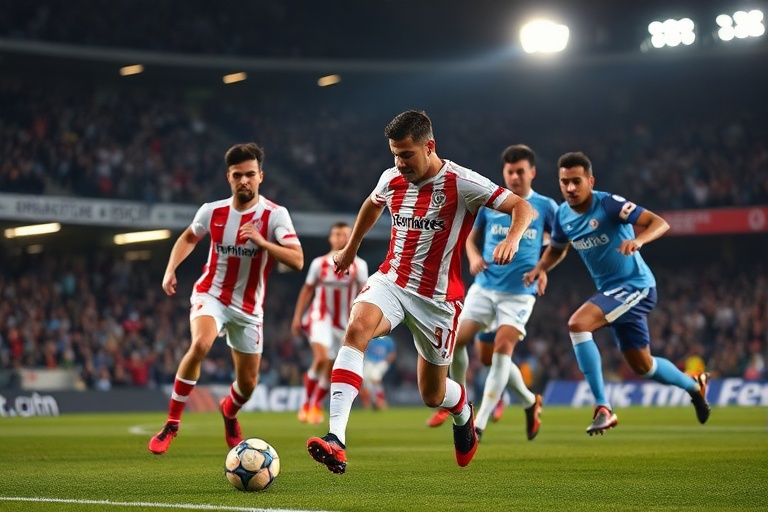
The matchup between Austin FC and Inter Miami on June 22, 2024, wasn’t just another regular-season game in Major League Soccer. It was a collision of philosophies, ambitions, and fan cultures. Austin, the plucky expansion team with a rabid local following, faced off against Miami, the star-studded franchise built around global icons like Lionel Messi.
What unfolded on the field reflected deeper trends in MLS: the rise of the league’s mid-tier clubs and the enduring allure of its marquee franchises. Off the field, the game highlighted the growing influence of soccer culture in the American South and the enduring challenge of balancing star power with team identity.
The Tactical Battle: Possession vs. Counterattack
Austin FC entered the match as one of the league’s most possession-heavy teams under head coach Josh Wolff. Their style, often compared to European possession-based sides, prioritizes patient buildup, positional play, and high pressing. Inter Miami, meanwhile, has evolved under Gerardo Martino from a chaotic, Messi-centric offense into a more balanced side capable of controlling games through structured possession—when Messi is on the field.
The clash wasn’t just about tactics, though. It was about identity. Austin’s style reflects the club’s commitment to building a sustainable, homegrown identity. Miami’s approach, while increasingly refined, still revolves around its superstar talent. That contrast made for a fascinating tactical duel.
In the end, Miami edged out a 2–1 victory, but the match told a larger story. Austin’s ability to keep possession and create chances suggested that even without a global megastar, the club is building something lasting. Miami’s win, powered by Messi’s creativity, reminded everyone why star power still matters in soccer’s crowded American market.
Key Takeaways from the Match
- Messi’s impact: Even in limited minutes, Lionel Messi changed the game. His vision and passing unlocked Austin’s defense multiple times.
- Defensive resilience: Austin FC’s backline, led by center-backs Julio Cascante and Alexander Ring, held firm for long stretches despite relentless pressure.
- Midfield control: Miami’s new signing, Sergio Busquets, anchored the midfield, allowing his teammates to transition quickly from defense to attack.
- Set-piece danger: Both teams created chances from dead-ball situations, underscoring the importance of aerial dominance in MLS.
- Home advantage: Austin’s 20,500-plus crowd at Q2 Stadium created an electric atmosphere, proving the club’s growing influence in Texas soccer culture.
Beyond the Scoreboard: What This Match Means for MLS
The Austin vs. Miami game was a microcosm of MLS’s current era. On one side, a club built on community, development, and identity. On the other, a franchise leveraging global stardom to capture attention and investment.
This duality reflects the league’s broader challenges. MLS is no longer just a retirement league for aging European stars or a retirement home for former NFL players. It’s a legitimate soccer league with clubs like Austin FC, FC Cincinnati, and Nashville SC proving that homegrown talent and smart management can compete with the star-studded franchises.
Yet, the league still relies heavily on marquee signings to drive viewership and revenue. Messi’s arrival in Miami transformed the franchise’s profile almost overnight. Attendance spiked. TV ratings soared. Merchandise sales exploded. But the question remains: Can MLS sustain this balance between star power and competitive parity?
Austin FC’s rise suggests yes. The club’s expansion into a soccer-crazed market and its commitment to a clear identity have earned it a loyal following. Their stadium, Q2, is consistently one of the loudest in the league. Their academy is producing U.S. youth internationals. They represent the future of MLS: clubs that win on the field, engage their communities, and build sustainable models.
Star Power vs. System Power: The Broader Implications
The tension between star-driven franchises and system-driven clubs isn’t unique to MLS. It’s a global phenomenon. In Europe, clubs like Manchester City and Bayern Munich dominate through financial power and tactical sophistication, while smaller clubs like Brentford and Union Berlin thrive through structure and recruitment.
MLS is still finding its footing in this balance. The league’s salary cap and designated player rule create a hybrid system where stars can coexist with homegrown talent. But as the Austin vs. Miami match showed, the stars still steal the spotlight.
That said, Austin’s performance offered a counter-narrative. The club’s ability to press high, maintain possession, and create chances without relying on a single superstar signals a maturing league. It suggests that even without global icons, clubs can build competitive, sustainable models.
This evolution matters. MLS’s long-term success depends on more than just attracting retired legends. It needs clubs that can develop their own stars, engage local communities, and compete on the field. Austin FC is leading that charge.
What Comes Next?
For Miami, the challenge is maintaining momentum without Messi’s consistent presence. The Argentine maestro is aging, and while his influence is undeniable, the club must build a sustainable model around its younger talent, like Facundo Farias and Benjamin Cremaschi.
For Austin, the task is continuing to refine its identity. The club must prove that its style isn’t just a gimmick but a pathway to consistent success. Winning the Supporters’ Shield or a U.S. Open Cup would solidify their place as a legitimate contender.
As MLS continues to grow, the Austin vs. Miami matchup will be remembered as more than just a game. It was a snapshot of where the league is headed: a blend of ambition, identity, and star power. The question now is whether MLS can nurture both paths to success.
The 2024 season is far from over. But one thing is clear: the future of MLS isn’t just about the stars. It’s about the clubs that build something lasting beyond the spotlight.
And Austin FC is leading the way.
For more on MLS and soccer culture, visit Dave’s Locker Sports.
Explore deeper analysis and commentary on Dave’s Locker Analysis.