Thousands of Passengers Stranded Across Europe as Travel Disruptions Worsen
Travelers across Europe are facing mounting frustrations as widespread disruptions continue to strand thousands at airports, train stations, and ports. From canceled flights to delayed rail services, the continent’s transport networks are struggling under the weight of staff shortages, severe weather, and ongoing industrial action. The situation has left passengers scrambling for solutions, with many questioning the resilience of Europe’s travel infrastructure.
In recent weeks, airlines and rail operators have issued warnings about reduced services due to staffing gaps. Pilots, cabin crew, and ground staff have been calling in sick or participating in strikes, exacerbating an already strained system. Weather conditions have further complicated matters, with heavy snowfall in Central Europe and storms battering coastal regions grounding flights and slowing rail traffic to a crawl.
For stranded passengers, the experience has been one of uncertainty and inconvenience. Families attempting to reunite for holidays, business travelers with critical meetings, and tourists eager to explore Europe’s landmarks have all found themselves caught in the chaos. Hotels near major transport hubs are fully booked, and alternative travel options—such as buses or rental cars—are either prohibitively expensive or unavailable due to high demand.
The Human Cost of Travel Disruptions
The emotional and financial toll on passengers cannot be overstated. Many have incurred unexpected expenses for last-minute accommodations, meals, or additional transportation. Others have faced missed connections, leading to further delays and added stress. Social media platforms are flooded with frustrated travelers sharing their stories, tagging airlines and rail companies in hopes of receiving assistance.
Hotels in cities like London, Paris, and Berlin are operating at full capacity, with many offering discounted rates to stranded passengers. However, availability is limited, and prices remain high in some areas due to the surge in demand. Airlines have also pledged to accommodate affected travelers, but long wait times for rebooking and customer service lines have left many feeling abandoned by the very companies they rely on.
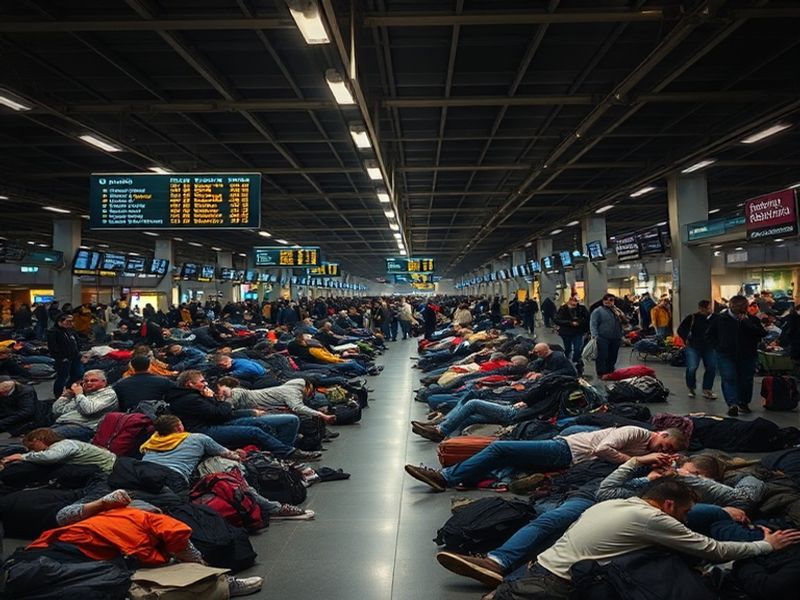
For those traveling with children or elderly relatives, the situation is particularly harrowing. Long waits in crowded terminals, combined with the stress of uncertain timelines, have created a sense of helplessness. Some passengers have resorted to sleeping on terminal floors or in airport lounges, waiting for updates that never come quickly enough.
A Continent-Wide Challenge
The scale of the disruptions varies by country, but few regions have been left untouched. In the United Kingdom, train operators including Avanti West Coast and LNER have canceled hundreds of services due to staff shortages and industrial action. Meanwhile, airports in France and Germany have struggled to manage surges in canceled flights, with some airlines prioritizing repatriation efforts over new bookings.
In Southern Europe, where tourism is a cornerstone of the economy, the delays threaten to disrupt peak season travel. Hotels and tour operators are bracing for cancellations, which could have ripple effects on local businesses that depend on seasonal revenue. The situation has also highlighted the fragility of Europe’s interconnected transport networks, where a delay in one country can cascade into delays across the continent.
Governments have begun to respond, with some offering emergency support to airlines and rail companies. The European Union has called for better coordination among member states to mitigate the impact on travelers. However, critics argue that these measures are reactive rather than proactive, leaving passengers to bear the brunt of systemic weaknesses.
What’s Behind the Crisis?
The root causes of the travel disruptions are multifaceted. Staff shortages, particularly in the aviation and rail sectors, have been a persistent issue since the pandemic. Many workers left the industry during lockdowns and have not returned, citing burnout, low wages, or better opportunities elsewhere. Industrial action has further exacerbated the problem, with unions demanding improved working conditions and pay rises to match inflation.
Severe weather has also played a significant role. This winter, Europe has experienced unseasonably harsh conditions, from blizzards in the Alps to flooding in Northern Europe. These events have grounded flights, delayed trains, and forced ports to close temporarily. Climate change is expected to increase the frequency of such extreme weather events, raising concerns about the long-term stability of Europe’s transport networks.
Another contributing factor is the surge in demand for travel as pandemic restrictions ease. Pent-up travel desires have led to record-breaking passenger numbers, overwhelming systems that were already struggling to recover from the pandemic’s impact. Airlines and rail companies, eager to capitalize on the rebound, may have underestimated the strain on their operations.
How Travelers Can Navigate the Chaos
For those currently stranded or planning future trips, there are steps they can take to minimize disruptions. Airlines and rail companies often provide real-time updates on their websites and apps, though these can be unreliable during peak periods. Travelers should also consider flexible booking options, such as refundable tickets or travel insurance that covers delays and cancellations.
Alternative routes may offer a lifeline. For example, travelers between the UK and continental Europe can opt for ferry services or Eurostar trains, which have seen fewer disruptions than flights. Similarly, those traveling within Europe might explore bus routes or carpooling options, though these come with their own trade-offs in terms of time and comfort.
Passengers should also familiarize themselves with their rights. The EU’s passenger rights regulations entitle travelers to compensation for canceled flights or significant delays, though claiming these rights can be a bureaucratic nightmare. Organizations like Dave’s Locker offer guides on navigating these processes, helping travelers understand their options.
Planning ahead remains the best strategy. Booking flights and trains during off-peak hours, allowing extra time between connections, and staying informed about potential disruptions can reduce the likelihood of being stranded. However, with the current state of Europe’s transport networks, even the most prepared travelers may find themselves caught in the chaos.
A Call for Systemic Change
The ongoing travel disruptions in Europe are more than just a temporary inconvenience—they are a symptom of deeper issues within the continent’s travel infrastructure. Addressing these challenges will require a combination of short-term solutions, such as staff recruitment and retention programs, and long-term investments in resilient transport networks.
Industry experts are calling for greater collaboration between governments, airlines, and rail companies to create a more robust and adaptable system. This could include expanding training programs for new workers, improving working conditions to reduce turnover, and investing in technology to streamline operations. Climate adaptation measures, such as weather-proofing infrastructure, will also be critical in mitigating the impact of future extreme weather events.
For now, stranded passengers must rely on their resilience and ingenuity to navigate the chaos. While the current situation is far from ideal, it underscores the importance of adaptability in an increasingly interconnected world. As Europe’s travel networks grapple with these challenges, the lessons learned today may shape the future of travel on the continent for years to come.