class action
“`html
Understanding Class Action Lawsuits: Mechanics and Impact
Class action lawsuits represent one of the most powerful tools in the American legal system for addressing widespread harm. These cases allow a large group of plaintiffs—often numbering in the hundreds or thousands—to join forces and pursue legal action against a common defendant. The structure levels the playing field when individuals might lack the resources to take on powerful corporations or institutions alone.
At their core, class actions streamline litigation by consolidating similar claims into a single case. This efficiency reduces court congestion and prevents inconsistent rulings on nearly identical issues. The process begins when one or more plaintiffs file a complaint, then seek certification from a judge to represent a broader class. Certification requires meeting specific criteria, including numerosity (a sufficiently large group), commonality (shared legal or factual issues), and typicality (the representative claims mirroring those of the class).
The Legal Framework Behind Class Actions
Class action lawsuits in the United States are primarily governed by Rule 23 of the Federal Rules of Civil Procedure. This rule establishes the requirements for certifying a class, including four key prerequisites:
- Numerosity: The class must be so large that joining every member individually would be impractical. Courts typically consider classes numbering in the hundreds or thousands to meet this threshold.
- Commonality: The legal or factual issues in the case must share common questions. This ensures the class can be treated as a cohesive unit rather than a collection of individual disputes.
- Typicality: The claims or defenses of the class representatives must be typical of the entire class. This prevents conflicts of interest or divergent interests from undermining the lawsuit.
- Adequacy: The class representatives and their attorneys must fairly and adequately protect the interests of the class. This includes demonstrating competence and the absence of conflicts.
Once certified, the case proceeds with the class representatives acting on behalf of the entire group. Notices are sent to potential class members, who may choose to opt out if they prefer to pursue their claims independently. Those who remain part of the class are bound by the final judgment or settlement.
The legal framework also includes provisions for subclasses and subclasses within subclasses, allowing for nuanced handling of cases with diverse subgroups. This flexibility ensures that even complex disputes can be addressed through the class action mechanism.
Notable Examples and Their Lasting Effects
Class actions have shaped industries and consumer protections in profound ways. One of the most famous examples is the Tobacco Master Settlement Agreement of 1998, which required major tobacco companies to pay billions to states to cover healthcare costs related to smoking. The lawsuit, filed by state attorneys general, forced the industry to disclose internal documents and change marketing practices.
Another landmark case involved defective automotive parts. In the early 2000s, a class action lawsuit exposed widespread defects in Firestone tires, which were linked to rollover accidents in Ford Explorers. The settlement included a massive recall and compensation for affected consumers, highlighting how class actions can address safety hazards that affect thousands of drivers.
Technology has also been a battleground for class actions. In 2019, a class action lawsuit against Google alleged that the company unlawfully tracked users’ locations even after they disabled location history. The case resulted in a $170 million settlement and forced Google to revise its data collection practices, setting a precedent for privacy rights in the digital age.
These cases demonstrate the dual role of class actions: compensating victims while deterring harmful behavior. They also underscore the importance of transparency and accountability in corporate practices.
The Controversies and Criticisms
Despite their benefits, class actions are not without controversy. Critics argue that these lawsuits often benefit attorneys more than the plaintiffs they represent. Settlement funds can be depleted by legal fees, leaving class members with minimal compensation. In some cases, the lead plaintiffs receive disproportionate payouts compared to the broader class.
Another criticism targets the “coupon settlements” phenomenon, where class members receive vouchers or discounts instead of cash. These settlements can enrich defendants while providing little tangible benefit to the class. Courts have taken steps to curb such practices, requiring that settlements provide meaningful relief to class members.
Class actions also face challenges in the digital age. The rise of mass data breaches, for example, has led to an influx of privacy-related class actions. However, proving harm in these cases can be difficult, as plaintiffs often struggle to demonstrate concrete damages. Courts have grappled with whether the mere risk of future harm is sufficient to establish standing.
The U.S. Supreme Court has played a significant role in shaping class action law. In cases like Wal-Mart Stores, Inc. v. Dukes (2011), the Court tightened the standards for class certification, making it harder for plaintiffs to proceed as a class. The decision emphasized the need for rigorous scrutiny of commonality and typicality, reflecting a broader skepticism toward expansive class actions.
How Class Actions Benefit Consumers and Society
Despite these challenges, class actions remain a vital tool for consumer protection. They provide a mechanism for holding corporations accountable when individual lawsuits would be financially or logistically unfeasible. By consolidating resources, class actions enable plaintiffs to challenge powerful entities on equal footing.
Class actions also serve a broader societal function by deterring harmful behavior. When companies face the prospect of large-scale litigation, they are more likely to invest in safety measures, ethical practices, and compliance with regulations. This deterrent effect can prevent future harm and promote corporate responsibility.
For consumers, class actions offer a pathway to compensation for widespread injustices, from faulty products to discriminatory practices. While the payouts may not always be substantial, the knowledge that corporations can be held accountable fosters trust in the marketplace. Additionally, class actions often lead to systemic changes, such as recalls, policy reforms, or industry-wide standards, which benefit society as a whole.
For example, the class action lawsuit against Wells Fargo over its fake accounts scandal resulted in a $386 million settlement and forced the bank to overhaul its sales practices. The case not only compensated affected customers but also prompted regulatory scrutiny that exposed deeper issues within the banking industry.
What the Future Holds for Class Actions
The future of class actions will likely be shaped by technological advancements and evolving legal standards. As artificial intelligence and big data become more prevalent, new types of class actions may emerge, particularly in areas like algorithmic bias and data privacy. Lawmakers and courts will need to adapt to address these novel challenges while preserving the integrity of the class action mechanism.
Another trend to watch is the increasing use of global class actions, where plaintiffs from multiple countries join forces to sue multinational corporations. These cases present unique legal hurdles, as they must navigate differing legal systems, cultural norms, and regulatory frameworks. However, they also offer a powerful tool for addressing transnational harm, such as environmental disasters or labor abuses.
Regulatory changes could also impact the landscape of class actions. Some lawmakers have proposed reforms to limit class action filings or cap damages, arguing that these lawsuits stifle innovation and impose excessive costs on businesses. Conversely, advocates for stronger consumer protections may push for expanded access to class actions, particularly in areas like healthcare and environmental justice.
Ultimately, the class action system will continue to evolve in response to societal needs and legal challenges. Its core purpose—providing a voice for the voiceless and holding the powerful accountable—remains as relevant as ever.
Key Takeaways for Potential Class Members
If you believe you’ve been harmed by a product, service, or corporate practice, understanding your options is crucial. Here are some steps to consider:
- Stay Informed: Follow news about ongoing class actions in areas relevant to your concerns, such as data breaches, defective products, or discriminatory practices.
- Review Notices: If you receive a notice about a potential class action, read it carefully. Determine whether you want to opt out or remain part of the class.
- Consult an Attorney: Class action lawsuits can be complex, and consulting an attorney with experience in this area can help you understand your rights and options.
- Consider Alternatives: If the potential compensation is minimal or the process seems overly complicated, you may choose to opt out and pursue your claim independently.
- Advocate for Change: Beyond individual compensation, class actions can drive systemic change. Supporting these lawsuits can contribute to broader efforts for justice and accountability.
Class actions are more than just legal proceedings; they are a reflection of society’s commitment to fairness and accountability. By understanding how they work and their potential impact, individuals can make informed decisions about participating in these powerful tools for change.
—
METADATA
{
“title”: “Class Action Lawsuits Explained: How They Work and Why They Matter”,
“metaDescription”: “Learn how class action lawsuits function, their impact on consumers, and notable cases that shaped industries and legal standards.”,
“categories”: [“News”, “Analysis”],
“tags”: [“class action lawsuits”, “legal rights”, “consumer protection”, “mass litigation”, “corporate accountability”],
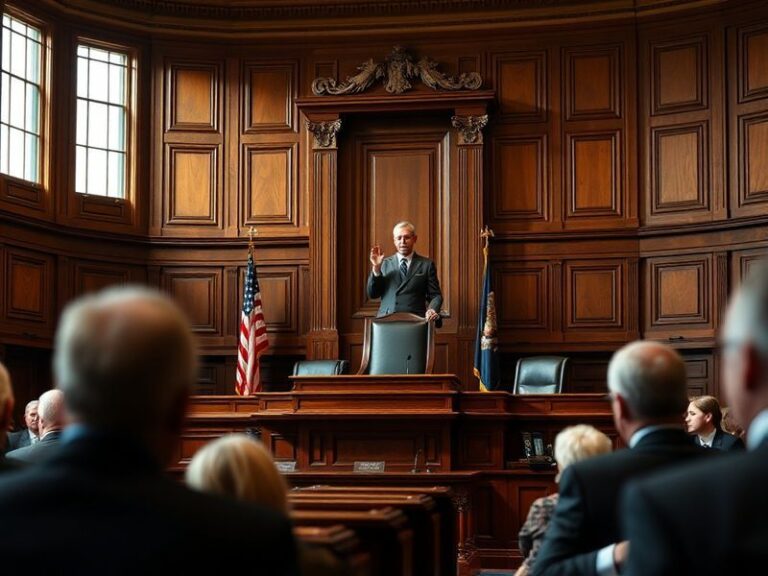
“imageDescription”: “A courtroom sketch depicting a judge overseeing a class action lawsuit, with a diverse group of plaintiffs and defendants facing each other. The setting is formal yet dynamic, with legal documents and a gavel visible on the bench. The mood is serious, emphasizing the gravity of the proceedings and the stakes involved.”
}
—END METADATA—
“`