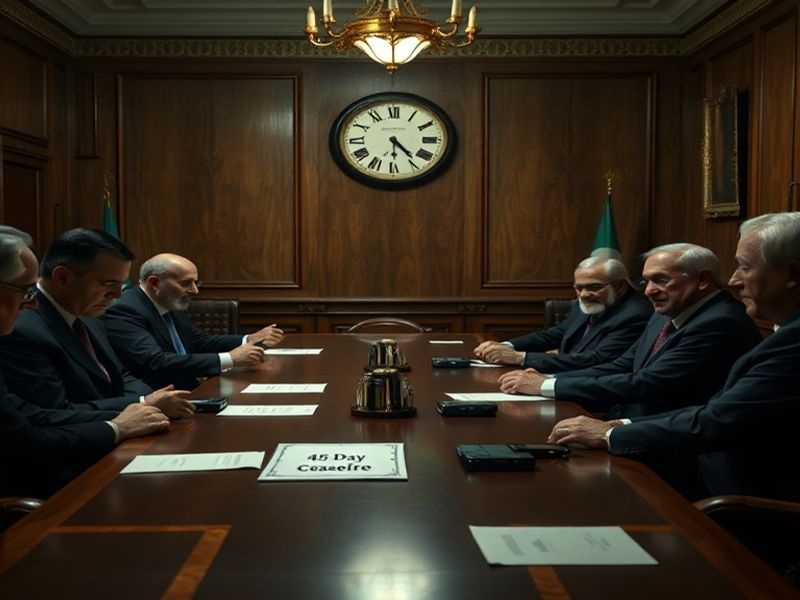
As diplomatic pressure mounts, mediators from Iran have launched a final push to secure a 45-day ceasefire in one of the region’s most volatile conflicts. The urgency reflects a broader crisis that has drawn in regional powers and global stakeholders, each with competing interests. Negotiations, which have dragged on for weeks, now hinge on whether key factions can overcome deep-seated mistrust and tactical disagreements.
The proposed truce aims to halt hostilities long enough to allow humanitarian aid to reach affected populations and restart broader peace talks. But the road to agreement remains fraught with obstacles, including shifting battlefield dynamics and the involvement of external actors whose support for different sides complicates the process. Iran’s role as a mediator has drawn particular scrutiny, given its long-standing alliances and strategic interests in the region.
Why a 45-Day Ceasefire Matters
A temporary pause in fighting could serve multiple purposes. First, it would reduce civilian casualties and allow displaced communities to seek safety. Second, it would create a window for negotiations that have stalled repeatedly over demands and preconditions. Third, it could prevent further escalation that might drag neighboring countries into the conflict.
However, the ceasefire’s duration—45 days—is itself a point of contention. Some analysts argue that this timeframe is too short to address the underlying issues fueling the conflict. Others believe it strikes a balance between urgency and feasibility, giving negotiators just enough breathing room to make progress without overpromising.
The ceasefire proposal includes several key provisions:
- Immediate cessation of hostilities: All parties would halt offensive operations, including airstrikes and ground attacks.
- Humanitarian corridors: Safe passage would be established for aid workers and civilians fleeing danger zones.
- Prisoner exchanges: A structured process for releasing detainees from all sides would begin within the first week.
- Renewable mandate: The ceasefire could be extended if both sides demonstrate compliance and willingness to negotiate in good faith.
Regional Powers and Global Stakes
The conflict has drawn in a web of regional actors, each pursuing its own agenda. Iran, for instance, has been a vocal advocate for the ceasefire, but its influence over some factions remains limited. Saudi Arabia, a key rival, has signaled cautious support for the truce, though its backing is conditional on guarantees that Iranian-backed groups will not exploit the pause to regroup.
Beyond the Middle East, global powers are watching closely. The United States has expressed conditional support for the ceasefire, emphasizing the need for verifiable commitments. Russia, meanwhile, has taken a more ambiguous stance, balancing its diplomatic relations with both sides. The European Union has urged restraint, calling for a solution that addresses the humanitarian crisis without sidelining long-term peace efforts.
This patchwork of interests highlights the ceasefire’s fragility. Even if an agreement is reached, enforcement will require unprecedented coordination among mediators, monitors, and the warring parties themselves. Past truces have collapsed within days, often due to accusations of violations or hidden agendas.
The Human Cost and Diplomatic Realities
Behind the political maneuvering lies a staggering human toll. According to recent reports, over 12,000 civilians have been killed or injured since the conflict escalated, with millions displaced from their homes. Hospitals, schools, and critical infrastructure have been repeatedly targeted, exacerbating a humanitarian catastrophe that shows no signs of abating.
Diplomats involved in the talks admit that the ceasefire’s success will depend heavily on trust—or at least the appearance of it. “This isn’t just about signing a piece of paper,” said one negotiator who requested anonymity. “It’s about whether the parties believe a temporary halt in fighting will lead to something more permanent.”
Yet skepticism runs deep. Many factions view the ceasefire as a tactical pause rather than a step toward peace. Hardline leaders on all sides have dismissed the proposal as a ploy to weaken their positions. Others argue that the absence of major powers like China and India in the negotiations further undermines the effort’s legitimacy.
What Comes Next?
The coming days will determine whether Iran’s mediators can salvage the ceasefire plan. A failure here could push the conflict into a more dangerous phase, with regional powers doubling down on their military support for proxies. Conversely, a breakthrough—even a fragile one—could open the door to broader talks on governance, security, and reconstruction.
For now, the focus remains on the 45-day window. If history is any guide, the truce will likely face immediate challenges. But in a conflict defined by deadlock, even a short-lived pause in hostilities could offer a rare opportunity to change the trajectory of a crisis that has already lasted far too long.
As mediators prepare for round-the-clock negotiations, one thing is clear: the stakes could not be higher. The difference between peace and further bloodshed may come down to whether those involved are willing to prioritize de-escalation over victory.
Follow updates on regional diplomacy and conflict resolution strategies on Dave’s Locker News and explore deeper analysis on Dave’s Locker Analysis.