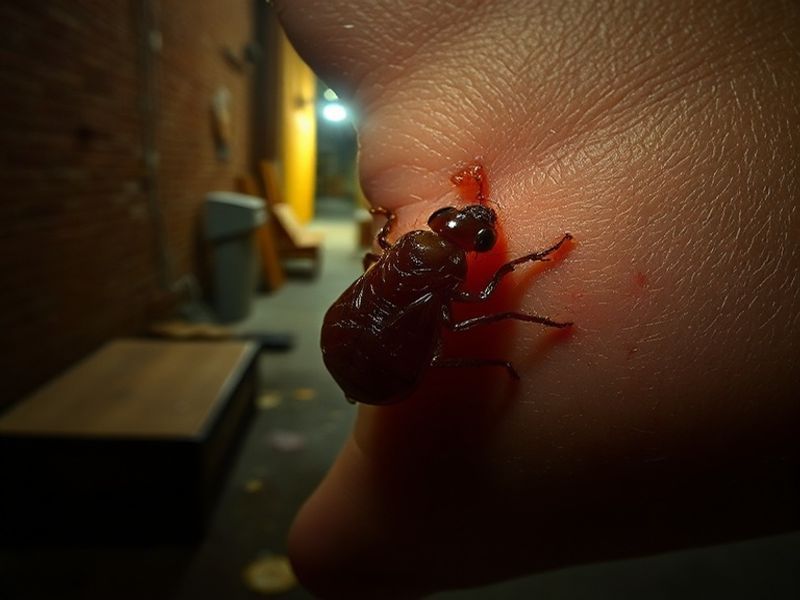
Los Angeles County has seen a troubling increase in flea-borne typhus cases over the past year, raising concerns among public health officials and residents alike. The bacterial infection, transmitted primarily through infected fleas that infest rats, opossums, and other urban wildlife, has been on the rise since 2020. While typhus itself is treatable with antibiotics, the surge in cases highlights broader issues of urban rodent infestations and public health preparedness in densely populated areas.
From January to September 2023, Los Angeles County reported 57 confirmed cases of flea-borne typhus, a significant jump from the 40 cases reported during the same period in 2022. Public health data suggests that this upward trend is part of a larger pattern observed in California, where cases have more than doubled over the past decade. The increase has prompted health authorities to issue warnings and recommend preventative measures to curb further spread.
Understanding Flea-Borne Typhus: Symptoms and Transmission
Flea-borne typhus, also known as murine typhus, is caused by the bacterium Rickettsia typhi. It is spread to humans through flea feces, which can become airborne and inhaled or enter the body through broken skin. The disease typically presents with symptoms such as high fever, chills, muscle pain, and a rash that often appears on the torso. While most cases are mild and resolve with treatment, severe complications can occur, particularly in vulnerable populations such as the elderly or immunocompromised.
Transmission is closely tied to the presence of rodents and other wildlife in urban environments. Rats and opossums, common in Los Angeles, often carry infected fleas. As these animals move closer to human habitats—whether through trash accumulation, abandoned buildings, or green spaces—the risk of flea exposure increases. Health officials note that areas with poor sanitation or dense rodent populations are particularly high-risk zones.
To better understand the scope of the issue, consider the following breakdown of reported cases in Los Angeles County over the past five years:
- 2019: 31 confirmed cases
- 2020: 47 confirmed cases
- 2021: 52 confirmed cases
- 2022: 49 confirmed cases
- 2023 (Jan-Sept): 57 confirmed cases
Public Health Response and Preventative Measures
The Los Angeles County Department of Public Health has ramped up efforts to address the rise in flea-borne typhus cases. In addition to tracking and reporting cases, the department has launched educational campaigns to inform residents about the risks and how to mitigate them. Recommendations include sealing trash bins, removing potential rodent habitats, and using flea control products on pets. However, challenges remain in reaching high-risk communities and ensuring consistent enforcement of sanitation standards.
Local health officials have also emphasized the importance of early diagnosis. Since symptoms of flea-borne typhus can mimic those of other illnesses, such as COVID-19 or the flu, doctors are being urged to consider typhus in their differential diagnoses, particularly for patients presenting with fever and rash. Prompt treatment with antibiotics like doxycycline can significantly reduce the severity and duration of the illness.
For those living in or visiting areas with known rodent activity, the Los Angeles County Department of Public Health provides specific guidelines to minimize exposure. These include:
- Keeping pet bedding clean and using vet-recommended flea treatments.
- Avoiding contact with wild animals, including feeding or attempting to handle them.
- Wearing gloves and long sleeves when cleaning areas that may harbor rodents or fleas.
- Reporting rat infestations to local authorities or pest control services.
For more detailed guidance, residents can visit the Health section on Dave’s Locker, which provides resources on managing pest-related health risks in urban environments.
Environmental and Socioeconomic Factors at Play
The rise in flea-borne typhus cases is not solely a medical issue; it is deeply intertwined with environmental and socioeconomic factors. Los Angeles’ sprawling urban landscape, combined with housing shortages and inadequate waste management, creates ideal conditions for rodent infestations. Abandoned buildings, overgrown lots, and improperly stored trash provide shelter and food sources for rats, which in turn support flea populations.
Additionally, climate change may be playing a role. Warmer temperatures and longer dry seasons in Southern California can lead to increased rodent activity as they seek water and food. Public health experts warn that without addressing these underlying issues, flea-borne typhus—and other rodent-borne diseases—will continue to pose a threat.
Community organizations and advocacy groups are calling for systemic solutions, such as improved housing conditions, expanded pest control programs, and public education initiatives. Some cities in California have already implemented pilot programs to tackle rodent infestations, such as using rodenticide bait stations in high-risk areas. However, scaling these efforts to cover the entire county remains a challenge.
Looking Ahead: What’s Next for Los Angeles?
As Los Angeles grapples with the rising tide of flea-borne typhus cases, health officials are urging vigilance and proactive measures. The situation serves as a reminder of the delicate balance between urban living and wildlife, particularly in a city where human and animal habitats often overlap. While the immediate focus is on controlling the spread of the disease, long-term solutions will require collaboration between public health agencies, local governments, and residents.
For now, the county’s public health department continues to monitor the situation closely. Residents are encouraged to stay informed, take preventative actions, and report any signs of rodent activity or potential typhus symptoms to healthcare providers. With concerted effort, it is possible to curb the spread of flea-borne typhus and protect the health of Los Angeles communities.
The lessons learned from this outbreak could also serve as a blueprint for other cities facing similar challenges. By addressing the root causes of rodent infestations and prioritizing public health education, Los Angeles has an opportunity to turn the tide on flea-borne typhus and set a standard for urban pest management.