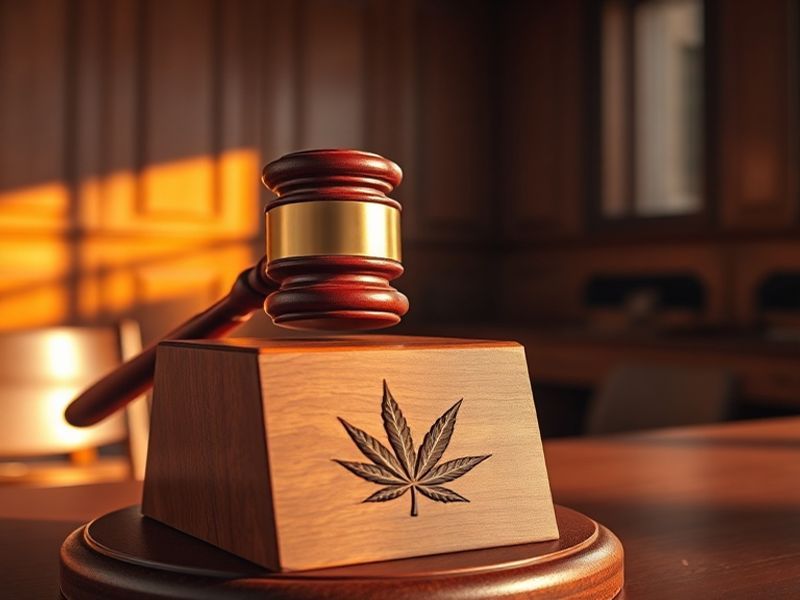
Global Trends in Cannabis Legalization: A Patchwork of Progress
The legal status of cannabis continues to evolve at an uneven pace around the world. While some nations have embraced full legalization, others maintain strict prohibition. This patchwork of policies reflects shifting cultural attitudes, economic ambitions, and scientific understanding. The movement toward legalization is not just about recreational use—it encompasses medical applications, industrial hemp production, and social justice reforms.
In North America, the United States and Canada represent two distinct models. Canada became the first G7 nation to legalize recreational cannabis nationwide in 2018, creating a regulated market that has generated billions in tax revenue. Meanwhile, the U.S. remains a patchwork of state-level experiments, with 24 states allowing recreational use and 38 permitting medical cannabis. This divergence highlights the tension between federal law, which still classifies cannabis as a Schedule I substance, and state-level reforms.
Europe presents another fascinating landscape. Countries like the Netherlands and Portugal have decriminalized personal use, focusing on harm reduction rather than punishment. Spain allows cannabis clubs in certain regions, while Germany has recently moved toward legalization for recreational purposes. These European models prioritize public health and social equity, contrasting with the more commercially driven approaches seen in North America.
The Medical Cannabis Movement: From Stigma to Science
The medical potential of cannabis has driven much of the legalization debate. Research has demonstrated its efficacy in treating conditions such as chronic pain, epilepsy, and multiple sclerosis. Countries like Israel and the Netherlands have become global leaders in cannabis research, while nations like Thailand and Colombia are leveraging their climates to cultivate medical-grade cannabis for export.
In the U.S., the medical cannabis industry has grown into a multi-billion-dollar sector. States with legal medical programs have seen reductions in opioid prescriptions, suggesting that cannabis could play a role in combating the opioid crisis. However, access remains uneven, with rural and low-income communities often underserved by medical cannabis programs.
One of the most significant medical cannabis markets is Germany, which legalized medical cannabis in 2017. Patients with qualifying conditions can access cannabis-based medications through prescription, and the government has expanded coverage under public health insurance. This model has inspired other European nations to reconsider their own policies.
A Global Perspective on Medical Cannabis Adoption
- North America: Leading in both recreational and medical legalization, with Canada and several U.S. states setting examples.
- Europe: Countries like Germany, the Netherlands, and Portugal are prioritizing medical cannabis within regulated frameworks.
- Latin America: Uruguay was the first country to legalize recreational cannabis, while Colombia and Argentina have embraced medical cannabis.
- Asia: Thailand became the first Southeast Asian nation to legalize medical cannabis, signaling a potential shift in regional attitudes.
The medical cannabis movement has also brought attention to the need for standardized dosing and quality control. As more countries legalize cannabis for medical use, the challenge lies in balancing accessibility with rigorous safety standards.
Economic and Social Implications of Legalization
The economic impact of cannabis legalization cannot be overstated. Legal markets have created thousands of jobs, from cultivation and manufacturing to retail and ancillary services. In Canada, the legal cannabis industry employed over 100,000 people in 2023, while U.S. states with legal markets have seen significant increases in tax revenue. These funds are often directed toward education, infrastructure, and public health initiatives.
Social equity has become a critical component of the legalization debate. Many advocates argue that the war on drugs disproportionately targeted minority communities, and legalization presents an opportunity to rectify these injustices. Some U.S. states, such as Illinois and Massachusetts, have implemented social equity programs to ensure that marginalized groups have access to the emerging cannabis industry. These programs often include provisions for licensing, funding, and expungement of prior cannabis-related convictions.
However, challenges remain. The black market continues to thrive in many regions, undercutting legal businesses with lower prices. Additionally, the banking sector’s reluctance to serve cannabis-related businesses has created financial hurdles, forcing many operators to operate on a cash-only basis.
Cultural Shifts: From Prohibition to Acceptance
The cultural perception of cannabis has undergone a dramatic transformation over the past few decades. Once stigmatized as a dangerous substance, cannabis is now widely viewed as a legitimate product with diverse applications. This shift is reflected in popular media, where cannabis use is increasingly normalized in television, film, and music. Even traditional institutions like the healthcare sector are beginning to acknowledge its benefits, though resistance persists among conservative groups.
In some cultures, cannabis has deep historical roots. In Jamaica, cannabis—often referred to as “ganja”—is intertwined with Rastafarian spirituality and reggae music. While possession was historically illegal, recent reforms have decriminalized small amounts, reflecting a growing acceptance of its cultural significance. Similarly, in India, cannabis has been used in Ayurvedic medicine and religious practices for centuries, though modern laws have often clashed with these traditions.
The rise of CBD (cannabidiol) products has further broadened cannabis’s appeal. Unlike THC, CBD does not produce psychoactive effects, making it more accessible to those seeking its therapeutic benefits without the “high.” This has led to a surge in products ranging from oils and edibles to skincare and beverages, catering to a wide demographic.
Cannabis in Popular Culture: A Timeline
- 1936: The propaganda film Reefer Madness reinforces negative stereotypes about cannabis.
- 1960s-70s: Cannabis becomes associated with counterculture movements, including hippies and musicians like Bob Marley.
- 1996: California becomes the first U.S. state to legalize medical cannabis, sparking a wave of reforms.
- 2012: Colorado and Washington become the first states to legalize recreational cannabis.
- 2020s: Cannabis appears in mainstream media, from documentaries like The Pharmacology of Cannabis to TV shows like Weeds and Broad City.
As cannabis becomes more integrated into everyday life, the challenge will be to maintain a balance between accessibility and responsibility. Public education campaigns, responsible marketing, and evidence-based policies will be essential in shaping a sustainable future for cannabis.
Looking Ahead: The Future of Cannabis Legalization
The trajectory of cannabis legalization will likely continue to diverge based on regional priorities. While some countries will embrace full legalization, others may maintain strict prohibition or adopt intermediate models like decriminalization. The global cannabis market is projected to reach $100 billion by 2030, driven by increasing acceptance and scientific advancements.
One of the most promising developments is the potential for international collaboration in cannabis research and trade. Countries like Canada, Uruguay, and Portugal could serve as models for nations considering reform. Meanwhile, the U.S. federal government’s potential rescheduling of cannabis could unlock further research opportunities and banking access, accelerating industry growth.
Ultimately, the future of cannabis legalization will depend on a combination of scientific evidence, economic incentives, and cultural attitudes. As more data becomes available and public opinion continues to shift, policymakers will face increasing pressure to adapt. The question is no longer whether cannabis will be legalized globally, but how—and when—that process will unfold.
For now, the legalization movement remains a work in progress, with each country carving its own path. Whether driven by medical necessity, economic opportunity, or social justice, the push for legalization shows no signs of slowing down.