iran war hormuz
The Strait of Hormuz: A Global Chokepoint in an Era of Rising Tensions
The Strait of Hormuz, a narrow waterway connecting the Persian Gulf to the Gulf of Oman, has long been a flashpoint in international relations. Stretching just 21 miles at its narrowest point, this strategic passage is the world’s most critical oil chokepoint, through which approximately 20% of the planet’s daily oil supply passes. Recent escalations in regional conflicts have thrust Hormuz back into the global spotlight, raising concerns about supply chain disruptions, economic stability, and the potential for broader military confrontation.
Geopolitical analysts warn that any disruption in Hormuz could send shockwaves through energy markets, triggering price spikes and fueling inflation in economies already grappling with post-pandemic recovery. The strait’s importance is underscored by its proximity to Iran, a nation whose nuclear ambitions, regional proxy conflicts, and strained relations with Western powers have made it a central figure in global security discussions. As tensions simmer, the question remains: How close is the world to a crisis that could reshape energy markets and redefine power dynamics in the Middle East?
The Historical and Strategic Significance of Hormuz
The Strait of Hormuz has been a critical maritime route for centuries, serving as a bridge between the East and West. Its modern significance, however, is rooted in the 20th century, when the discovery of vast oil reserves in the Persian Gulf transformed the region into the backbone of the global energy supply. Today, Hormuz is not just a waterway; it is a geopolitical pressure point where military posturing, economic leverage, and diplomatic maneuvering intersect.
Several key factors contribute to Hormuz’s volatility:
- Oil Dependency: The strait is the primary export route for oil from Saudi Arabia, Iran, Iraq, the UAE, Kuwait, and Qatar. A closure—whether by accident or design—could remove millions of barrels of oil from the market overnight.
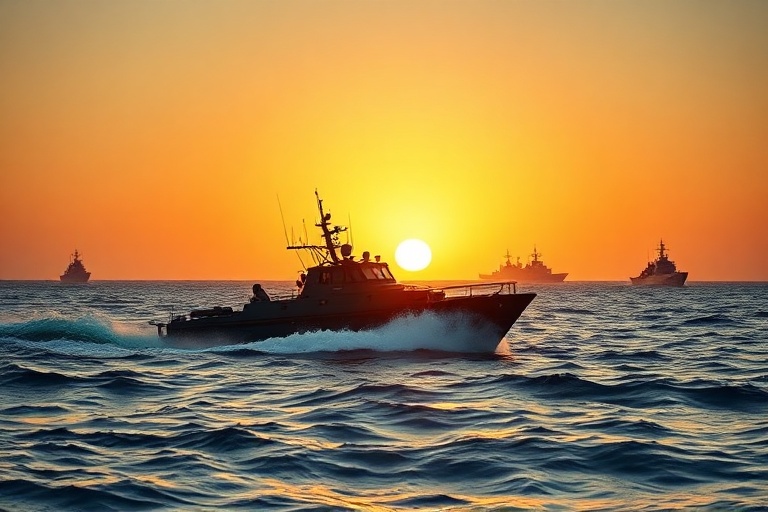
- Military Presence: The U.S. Fifth Fleet is stationed in Bahrain, while Iran maintains a significant naval and missile capability along its coast. This balance of power creates a delicate standoff.
- Proxy Conflicts: The rivalry between Iran and Saudi Arabia, as well as Iran’s support for groups like the Houthis in Yemen, adds layers of complexity to the strait’s security landscape.
- Nuclear Ambitions: Iran’s uranium enrichment program and its refusal to fully comply with international agreements have fueled distrust, making Hormuz a potential target for preemptive strikes or retaliation.
The 1980s saw direct confrontations between Iran and Iraq during the Iran-Iraq War, when both sides targeted oil tankers in the Persian Gulf. More recently, in 2019, attacks on oil tankers near Hormuz were attributed to Iran, while drones launched by the Houthis targeted Saudi oil facilities. These incidents highlight the strait’s vulnerability to asymmetric warfare and the risks of miscalculation.
Recent Escalations and Their Global Implications
Since 2020, the situation around Hormuz has deteriorated further. The U.S. withdrawal from the Iran nuclear deal (JCPOA) in 2018 and the subsequent reimposition of sanctions have heightened tensions. Iran has responded by gradually violating the deal’s restrictions, enriching uranium to near weapons-grade levels and increasing its military drills in the region. Meanwhile, the U.S. has bolstered its naval presence, conducting joint exercises with allies to deter aggression.
One of the most alarming developments came in April 2023, when Iran seized two oil tankers in the Strait of Hormuz, one of which was reportedly carrying crude oil from the UAE to the U.S. The incident followed months of heightened rhetoric from Iranian officials, who have vowed to retaliate against perceived Western aggression. Analysts suggest that Iran may be testing the resolve of the Biden administration, which has sought to revive diplomacy while maintaining a firm stance on regional security.
The economic ripple effects of a Hormuz closure would be severe. A 2021 report by the U.S. Energy Information Administration estimated that a prolonged disruption could push global oil prices above $150 per barrel, triggering a recession in oil-importing nations. Countries like China, India, and Japan—heavy importers of Middle Eastern oil—would face immediate shortages, while Europe’s energy crisis could worsen as it grapples with reduced supply from Russia.
Diplomacy vs. Deterrence: Can a Crisis Be Avoided?
The international community has scrambled to prevent a full-blown conflict in Hormuz. Diplomatic efforts, led by the European Union and regional actors like Oman and Qatar, have sought to revive the JCPOA while addressing Iran’s regional activities. However, progress has been halting. Iran’s demands for sanctions relief and guarantees against future U.S. withdrawal have collided with Western insistence on curbing Iran’s ballistic missile program and support for militias.
Meanwhile, regional powers are hedging their bets. Saudi Arabia and the UAE have deepened ties with Israel and the U.S. through the Abraham Accords, while also pursuing dialogue with Iran to avoid direct confrontation. Yet, the risk of miscalculation remains high. A single spark—whether a misidentified naval vessel, a cyberattack on critical infrastructure, or a retaliatory strike—could ignite a broader conflict.
Some analysts argue that economic deterrence may be the most effective tool. The U.S. and its allies could impose secondary sanctions on countries that violate Hormuz’s freedom of navigation, while Iran’s economy—already crippled by sanctions—would suffer further if it disrupts global oil flows. Others caution that Iran’s leadership may see escalation as a way to rally domestic support amid economic hardship and internal dissent.
The Broader Cultural and Economic Impact
Beyond the immediate military and economic consequences, a crisis in Hormuz would have profound cultural and social effects. The Middle East’s identity is deeply intertwined with its oil wealth, and disruptions could exacerbate inequalities within and between nations. In countries like Iran, where the government uses oil revenues to fund social programs and suppress dissent, a prolonged crisis could fuel unrest.
The strait is also a symbol of global interdependence. Its closure would force nations to accelerate their transition to renewable energy, a shift that could reshape industries and geopolitical alliances. Countries like China, which imports nearly 80% of its oil from the Middle East, would be particularly hard-hit, potentially accelerating its push into Central Asia and Africa for alternative supply routes.
Culturally, Hormuz represents the fragility of global systems. In an era where supply chains are increasingly vulnerable to climate change, pandemics, and political instability, the strait serves as a reminder of how quickly local conflicts can spiral into global crises. The lessons of Hormuz may well define how nations approach energy security in the decades to come.
A Path Forward
The path to de-escalation is narrow but not impossible. A combination of sustained diplomacy, economic pressure, and military deterrence may be required to prevent a catastrophic conflict. The international community must also address the root causes of instability in the region, including Iran’s nuclear ambitions and its regional proxy wars.
For now, the world watches as ships pass through Hormuz, carrying the lifeblood of the global economy. The strait remains a potent symbol of both humanity’s interconnectedness and its capacity for self-destruction. Whether it becomes a flashpoint for war or a case study in crisis prevention may well hinge on decisions made in the coming months.
As regional powers and global actors navigate this high-stakes moment, one thing is clear: the Strait of Hormuz is not just a maritime chokepoint—it is a mirror reflecting the world’s deepest geopolitical fractures and its most urgent challenges.
For those interested in the intersection of energy and geopolitics, explore our News and Analysis sections for deeper insights into how these dynamics shape our world.