The Capture Season 3 Finale Delivers a Global Perspective on Trust and Deception
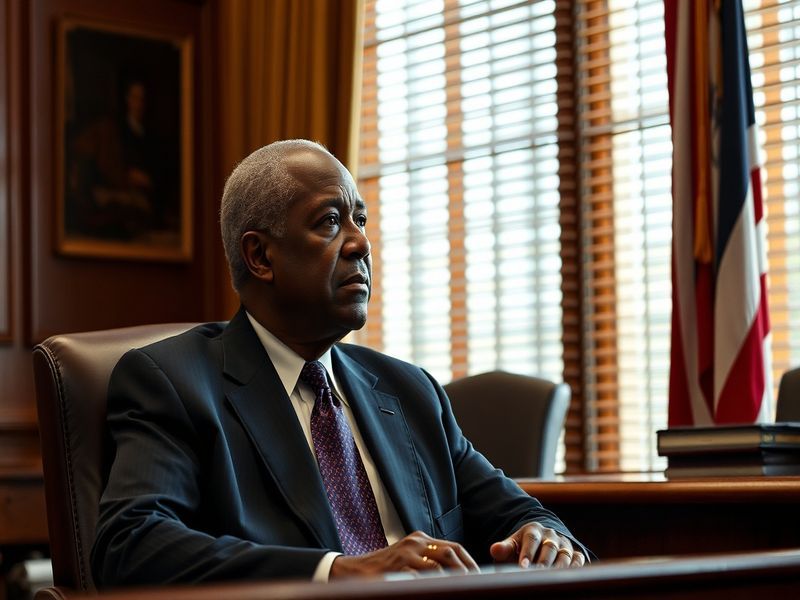
The final episode of The Capture Season 3 concluded with a narrative that transcended borders, blending espionage with deep-rooted questions about truth in the digital age. The BBC series, known for its innovative use of deepfake technology to manipulate perception, has increasingly reflected real-world anxieties about media manipulation. As governments and corporations grapple with the consequences of artificial intelligence, The Capture serves as both a thriller and a cautionary tale.
The season’s global appeal lies in its ability to mirror contemporary geopolitical tensions. While the story centers on London, the themes resonate across continents. From disinformation campaigns in Eastern Europe to AI-driven propaganda in Southeast Asia, the finale underscores a universal challenge: the erosion of trust in institutions and information. The show’s creators have emphasized that their storytelling draws from global case studies, ensuring its relevance whether viewed in Tokyo, Nairobi, or Buenos Aires.
A Story Rooted in Real-World Technology
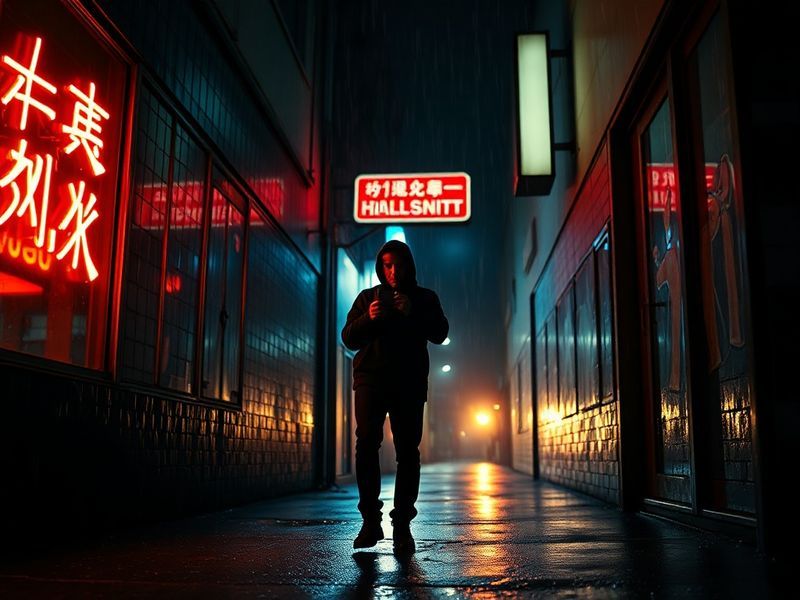
The finale’s climax hinges on a manipulated video that could destabilize a fragile international alliance. This plot device mirrors real-world incidents, such as the 2020 deepfake audio scam targeting a European energy company, which cost millions before being exposed. The show’s technical team collaborated with AI researchers to ensure authenticity in its portrayal, blurring the line between fiction and fact.
Viewers have noted that the series feels particularly prescient in regions where state-sponsored disinformation is rampant. In countries like Brazil and India, where misinformation has influenced elections, The Capture feels less like fiction and more like a reflection of current events. The finale’s emphasis on “seeing is believing” takes on added weight in an era where synthetic media can fabricate evidence with alarming precision.
The Cultural Impact of The Capture Beyond the Screen
Since its debut in 2019, The Capture has sparked discussions in academic and policy circles. Universities have incorporated the series into courses on digital ethics, while cybersecurity firms reference it in training simulations. The show’s influence extends to technology forums, where experts debate the feasibility of its scenarios.
Its global reach is evident in the diversity of its audience. Streaming data shows strong viewership in regions where disinformation poses significant risks, including Eastern Europe and Latin America. Fan theories and analyses have flourished online, with Reddit threads dissecting the finale’s implications for real-world AI governance.
What the Finale Leaves Unresolved—and Why It Matters
The season ends ambiguously, refusing to offer easy answers. The protagonist, a disgraced soldier turned whistleblower, uncovers a conspiracy but cannot prove it conclusively. This narrative choice reflects the show’s central theme: in a world where truth is malleable, certainty is a luxury few can afford.
The unresolved ending has frustrated some viewers but delighted critics who argue it mirrors the complexities of modern information warfare. The show’s writers have hinted at a potential fourth season, though no official announcement has been made. Fans speculate about the next threat—whether it’s a rogue algorithm, a state actor, or a new form of digital deception yet to emerge.
The Broader Conversation It Has Ignited
The Capture is more than a television series; it’s a cultural touchstone that has forced audiences to confront uncomfortable questions. How do we discern truth in an era of synthetic media? Can democracy survive when trust in institutions erodes? The finale’s global resonance suggests these concerns are not confined to any single nation or ideology.
In entertainment circles, the show has redefined the boundaries of the spy genre. Traditional espionage thrillers relied on gadgets and gadgets; The Capture weaponizes perception itself. This shift aligns with the growing influence of digital platforms in shaping public opinion, from social media algorithms to deepfake campaigns.
As the credits rolled on the finale, one thing became clear: the story of The Capture is far from over. Whether in the halls of power or the streets of everyday life, the battle for truth is intensifying—and the stakes have never been higher.
The series leaves viewers with a haunting question, one that lingers long after the screen fades to black: In a world where reality can be fabricated, what remains unassailable?