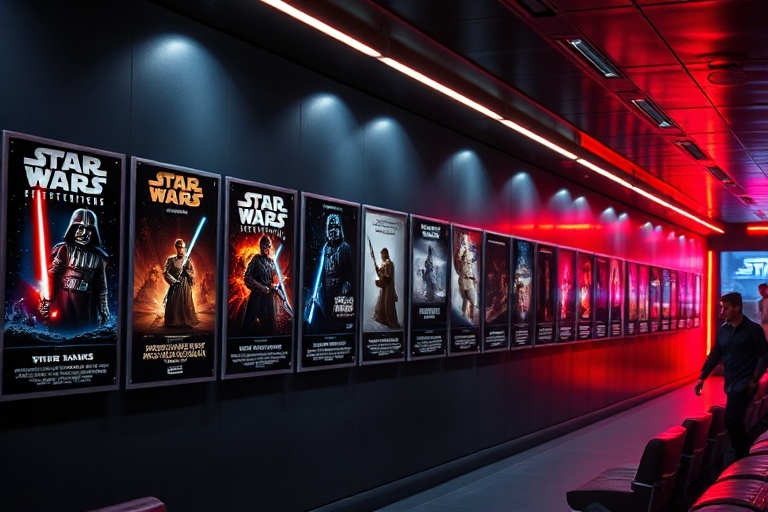
The Star Wars franchise has expanded over decades, creating multiple viewing orders that cater to different preferences. Whether you’re a first-time viewer or a longtime fan revisiting the galaxy, knowing the best sequence to watch the films can dramatically alter your experience. The saga’s narrative complexity and the introduction of spin-offs mean that the order in which you watch these movies can shape your understanding of the story.
Release Order vs. Chronological Order: Which Should You Choose?
One of the most debated aspects of Star Wars is the ideal way to watch the films. The release order follows the sequence in which the movies premiered, while the chronological order aligns with the in-universe timeline. Each approach offers distinct advantages.
Watching in release order (starting with Episode IV: A New Hope in 1977) preserves the original experience of discovering the story as audiences did. This method introduces key twists—such as Darth Vader’s revelation as Luke’s father—with maximum impact, something that can feel diluted when viewed chronologically. The original trilogy builds toward its revelations organically, creating moments that remain iconic decades later.
On the other hand, the chronological order (starting with Episode I: The Phantom Menace in 1999) provides a linear journey through the saga, from the fall of the Republic to the rise and fall of the Empire. This approach can help younger viewers or newcomers grasp the broader political and familial arcs more easily. However, it also means experiencing the prequels before knowing their consequences, which can affect the emotional weight of later films.
Key Considerations When Choosing Your Viewing Order
- First-time viewers may benefit from release order to preserve narrative surprises and the original cinematic experience.
- Returning fans often prefer chronological order to appreciate the full character arcs and political escalation.
- Families and younger audiences might find chronological order more intuitive, as it follows a clear progression from childhood to adulthood for central characters.
- Completists who want to include spin-offs like Rogue One and The Book of Boba Fett should plan carefully, as these entries fit between films in the main saga.
The Main Saga: Episodes I-IX
The core of the Star Wars saga consists of nine films, divided into three trilogies that explore the Skywalker family’s legacy. Each trilogy serves a distinct narrative purpose, reflecting the evolution of the franchise itself.
The prequel trilogy (Episodes I-III) was released between 1999 and 2005 and focuses on Anakin Skywalker’s transformation into Darth Vader. Directed by George Lucas, these films emphasize political intrigue, the corruption of power, and the tragic fall of a hero. While divisive among fans for their dialogue and pacing, the prequels offer rich world-building and establish the Republic’s collapse—a foundation for the original trilogy’s rebellion narrative.
The original trilogy (Episodes IV-VI), released between 1977 and 1983, remains the heart of the franchise. Directed by George Lucas and later Irvin Kershner and Richard Marquand, these films follow Luke Skywalker’s journey from farm boy to Jedi Knight. Their blend of mythology, adventure, and character-driven storytelling set the standard for modern blockbusters. The original trilogy’s themes of hope, redemption, and the struggle against tyranny continue to resonate globally.
The sequel trilogy (Episodes VII-IX), released between 2015 and 2019, was helmed by directors including J.J. Abrams, Rian Johnson, and Colin Trevorrow. These films explore the legacy of the Skywalker name and the challenges of a new generation facing an evolving galaxy. While divisive in tone and execution, the sequels expanded the franchise’s diversity and addressed modern themes such as identity, legacy, and systemic oppression.
Spin-Offs and Standalone Films: Expanding the Galaxy
The Star Wars universe has grown beyond the main saga, with standalone films that enrich the lore and offer fresh perspectives. These movies often fill narrative gaps or explore peripheral stories, enhancing the broader continuity.
Rogue One: A Star Wars Story (2016), directed by Gareth Edwards, serves as a direct prequel to A New Hope. It follows a band of rebels who steal the Death Star plans, culminating in a climactic battle that sets the stage for the original trilogy. The film is notable for its grounded, war-movie aesthetic and tragic, mission-focused storytelling—an intentional contrast to the more mythic originals.
Solo: A Star Wars Story (2018), directed by Ron Howard, explores the backstory of Han Solo. Despite its underwhelming box office performance, the film offers insight into the character’s early life, the Kessel Run, and his relationship with Chewbacca. While not essential to the main saga, it adds texture to one of the franchise’s most beloved figures.
The upcoming James Mangold film, reportedly titled The Mandalorian & Grogu, will further expand the timeline, potentially exploring the aftermath of The Return of the Jedi and the early years of the New Republic.
Where Do Spin-Offs Fit in the Timeline?
- Episode I: The Phantom Menace (32 BBY)
- Episode II: Attack of the Clones (22 BBY)
- Episode III: Revenge of the Sith (19 BBY)
- Solo: A Star Wars Story (10 BBY)
- Rogue One: A Star Wars Story (0 BBY/ABY, just before A New Hope)
- Episode IV: A New Hope (0 BBY/ABY)
- Episode V: The Empire Strikes Back (3 ABY)
- Episode VI: Return of the Jedi (4 ABY)
- Episode VII: The Force Awakens (34 ABY)
- Episode VIII: The Last Jedi (34 ABY)
- Episode IX: The Rise of Skywalker (35 ABY)
- The Mandalorian & Grogu (9 ABY, post-Return of the Jedi)
The Broader Impact of Star Wars on Pop Culture
Beyond its cinematic achievements, Star Wars has left an indelible mark on global culture. It pioneered the concept of a shared cinematic universe, influencing franchises like the Marvel Cinematic Universe and the DC Extended Universe. The franchise’s merchandising model—spanning toys, games, books, and apparel—revolutionized how media properties generate revenue, creating a template for modern entertainment empires.
Star Wars has also become a cultural shorthand for heroism, villainy, and moral complexity. Phrases like “May the Force be with you” and icons like the lightsaber have entered the lexicon. The franchise’s emphasis on mythic storytelling has inspired generations of creators, from filmmakers to musicians to writers.
Moreover, Star Wars has evolved with the times, reflecting contemporary social issues. The sequel trilogy, for instance, introduced more diverse characters and addressed themes of systemic oppression through the First Order’s rise. The upcoming Ahsoka series and other Disney+ projects continue this trend, ensuring the saga remains relevant to new audiences.
The Future of Star Wars
With multiple films and series in development, including The Mandalorian & Grogu, James Mangold’s New Republic film, and Ahsoka, the franchise shows no signs of slowing down. James Cameron has also expressed interest in producing a Star Wars film, hinting at even more cinematic possibilities.
For fans, the challenge lies in balancing the desire for new stories with the need to honor the legacy of what came before. Whether through release order or chronological immersion, the journey through the galaxy far, far away remains a rite of passage for audiences worldwide.
Conclusion: Crafting Your Own Star Wars Journey
Choosing how to watch the Star Wars movies ultimately depends on your goals as a viewer. If you prioritize emotional impact and discovery, release order offers an unparalleled experience. If you prefer a structured, chronological understanding of the saga, the in-universe timeline provides clarity. And if you’re eager to explore every corner of the galaxy, weaving in spin-offs and series will deepen your immersion.
No matter the order, the core of Star Wars remains its characters—the Skywalkers, the rebels, the outcasts, and the villains who shape a universe of wonder and conflict. As the franchise continues to expand, its legacy as a storytelling giant is secure. May your journey be guided by curiosity, courage, and, above all, the Force.
For more on Star Wars lore and reviews, visit our Entertainment and Gaming sections for curated content and analysis.