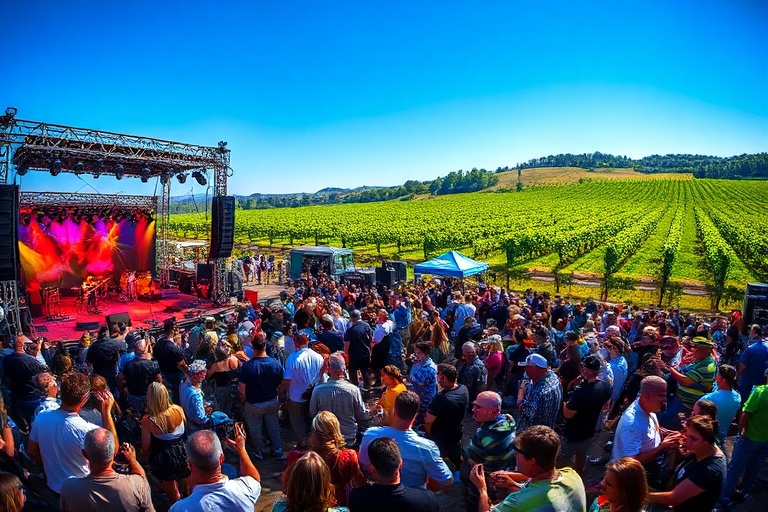
Napa Valley’s BottleRock festival has grown from a local celebration into a global benchmark for music and lifestyle festivals. Since its 2008 debut, the event has expanded beyond its Northern California roots, drawing international crowds with its unique fusion of live performances, culinary excellence, and premium wine experiences. Unlike traditional music festivals that focus solely on stages, BottleRock curates an immersive environment where art, food, and drink converge under the California sun.
The festival’s evolution reflects broader trends in global entertainment, where audiences increasingly seek multi-sensory experiences. In an era dominated by digital streaming and fleeting social media content, BottleRock emphasizes presence—inviting attendees to slow down, savor, and connect. Its success underscores a cultural shift toward experiential travel and curated leisure, positioning it as more than just a music event but a lifestyle destination.
The Origins and Growth of a Cultural Institution
BottleRock began as a modest three-day gathering in Napa Valley, a region synonymous with world-class wines. The festival was conceived by local entrepreneurs who recognized an opportunity to merge the valley’s reputation for fine dining and viticulture with the energy of live music. From its first iteration, which featured headliners like The Black Crowes and Cake, BottleRock distinguished itself by integrating wine tastings and culinary workshops into the festival grounds.
Over the years, the festival has expanded in scale and ambition. Today, it spans four days and hosts over 125,000 attendees across multiple stages. Its lineup has evolved to include A-list artists like John Legend, SZA, and Foo Fighters, while maintaining a commitment to emerging talent. The addition of the “BottleRock Village” in 2019 transformed the festival into a year-round destination, featuring pop-up events, artist residencies, and wine education programs throughout the year.
A Model for Global Festival Innovation
BottleRock’s influence extends far beyond Napa Valley. Its model has inspired similar festivals worldwide, from Europe’s Music & Wine Festivals to Asia’s emerging hybrid events. What sets BottleRock apart is its emphasis on authenticity and community. While some festivals prioritize spectacle and scale, BottleRock focuses on creating intimate moments within a larger experience. Whether it’s a sunset yoga session paired with local Pinot Noir or a masterclass with a Michelin-starred chef, the festival curates opportunities for connection and discovery.
This approach aligns with a global trend toward experiential tourism, where travelers seek meaningful interactions over passive consumption. In a 2023 study by Eventbrite, 72% of millennials and Gen Z respondents prioritized experiences that allowed them to “learn something new” while traveling. BottleRock’s integration of education—through wine seminars, cooking demos, and artist Q&As—resonates with this demand, positioning it as a leader in the experience economy.
Beyond the Music: A Festival of the Senses
While music remains the festival’s centerpiece, BottleRock’s true innovation lies in its sensory programming. The festival grounds are divided into distinct zones, each designed to engage a different aspect of the attendee experience.
- The Taste Zone: A curated marketplace featuring artisanal foods, local producers, and wine tastings from over 150 regional vineyards. Attendees can sample everything from Napa Valley Cabernet to small-batch craft spirits.
- The Wellness Garden: A serene retreat offering yoga, meditation, and sound bath sessions. This space reflects the growing demand for wellness integration in festival culture.
- The Art Yard: A rotating gallery showcasing visual artists, muralists, and interactive installations. Past collaborations have included works by local Napa artists alongside pieces by internationally renowned creators.
- The Discovery Stage: A platform for underground and emerging artists, providing a launchpad for careers. This stage has introduced acts like Khruangbin and Tash Sultana to wider audiences.
The festival’s commitment to sustainability further enhances its appeal. BottleRock has implemented zero-waste initiatives, including compostable serveware and water refill stations, reducing its environmental footprint by 40% since 2018. This eco-conscious approach resonates with global audiences, particularly younger generations who prioritize sustainability in their purchasing decisions.
Napa Valley as a Global Cultural Hub
BottleRock’s success has elevated Napa Valley’s status beyond its wine country reputation. Once known primarily for its vineyards, the region is now recognized as a hub for creative expression and cultural exchange. The festival has fostered partnerships with local institutions, including the Napa Valley Cooking School and the Oxbow Public Market, creating a year-round ecosystem that supports artists, chefs, and entrepreneurs.
This transformation aligns with broader shifts in how destinations are perceived. Cities and regions once valued solely for their natural or historical assets are increasingly leveraging culture and creativity to drive economic growth. The “creative placemaking” model, which integrates arts and culture into urban planning, has been adopted by cities from Bilbao, Spain, to Auckland, New Zealand. BottleRock exemplifies this trend on a festival scale, proving that cultural programming can elevate a region’s global profile.
Moreover, BottleRock’s international appeal highlights the universal language of music and shared experiences. Attendees travel from over 40 countries to attend, creating a diverse community united by a love of live performance and culinary excellence. This global draw has economic implications for Napa Valley, with studies showing that festival-goers spend an average of $1,200 per person during their stay—contributing millions to the local economy.
Looking Ahead: The Future of Festival Culture
As BottleRock approaches its 20th anniversary in 2028, the festival stands at a crossroads. The post-pandemic era has reshaped consumer expectations, with audiences demanding both innovation and authenticity. BottleRock’s leadership has hinted at plans to further integrate technology, such as augmented reality experiences and AI-curated playlists, while maintaining its commitment to human connection.
One potential direction is the expansion of its off-site programming. In 2023, BottleRock launched a series of “Napa Nights” events in major cities like Los Angeles and Chicago, bringing the festival’s signature blend of music and wine to urban audiences. This strategy could pave the way for international editions, potentially launching a BottleRock Europe or BottleRock Asia in the coming years.
The festival’s ability to adapt will determine its longevity in an increasingly competitive market. Competitors like Coachella and Lollapalooza dominate headlines with massive productions, while boutique festivals offer niche experiences. BottleRock’s strength lies in its balance—delivering world-class entertainment while preserving the intimacy and authenticity that set it apart in 2008.
A Lasting Legacy
BottleRock’s impact extends beyond its four-day run each May. It has redefined what it means to attend a music festival, transforming it into a holistic experience that engages all the senses. By blending music, wine, art, and wellness, the festival has created a blueprint for the future of live events—one that prioritizes community, creativity, and connection.
As global audiences continue to seek experiences that nourish both body and soul, BottleRock stands as a testament to the power of culture to unite and inspire. Its story is a reminder that the most memorable events are not just about what happens on stage, but the moments that linger long after the final note has faded.