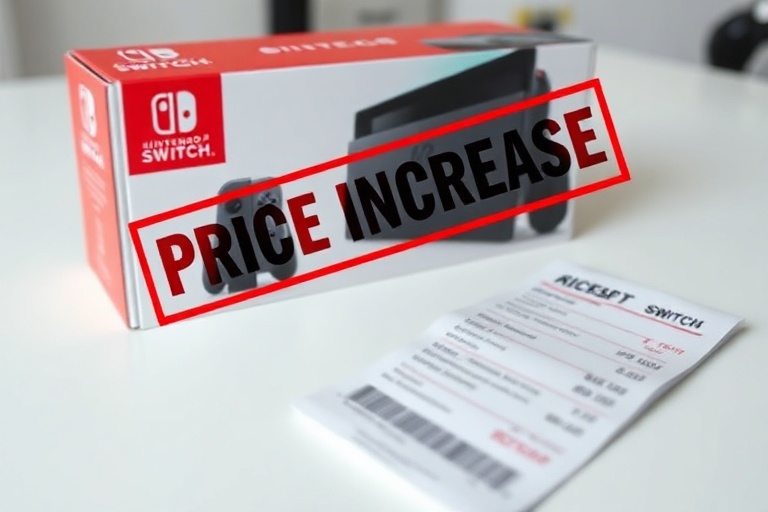
The Nintendo Switch 2, which launched in June 2025, has already seen its price adjusted upward in several regions. This move comes as the company faces rising production costs and supply chain challenges. While Nintendo has not officially confirmed the reasons behind the increase, industry analysts point to multiple factors influencing the decision.
Official Price Adjustments Across Key Markets
Nintendo announced the price hike for the Switch 2 in early August 2025, just two months after its debut. The changes vary by region, reflecting local market conditions and currency fluctuations. Below is a breakdown of the updated prices:
- United States: The Switch 2 launched at $349.99 but increased to $379.99 in August. The OLED model followed a similar trajectory, rising from $399.99 to $429.99.
- European Union: Prices in the EU climbed by approximately 15%, with the base model now retailing at €399.99 (up from €349.99). The OLED version jumped from €399.99 to €449.99.
- Japan: The Switch 2 saw a modest increase, with the base model now priced at ¥36,900 (up from ¥34,900). The OLED variant rose from ¥40,900 to ¥44,900.
- United Kingdom: The base model now costs £329.99 (up from £289.99), while the OLED model increased to £369.99.
These adjustments align with Nintendo’s strategy of maintaining profitability amid inflation and component shortages. The company has emphasized that the increases are necessary to sustain production and innovation.
Why the Price Increase Happened
The timing of the price adjustment suggests Nintendo anticipated these challenges early. Several key factors likely contributed to the decision:
- Rising Production Costs: The global semiconductor shortage has driven up the cost of key components, including the custom Tegra processor in the Switch 2. Suppliers have passed these costs to manufacturers.
- Supply Chain Disruptions: Logistics delays and higher shipping fees have increased the expense of delivering consoles worldwide. These costs are often absorbed by retailers and, eventually, consumers.
- Currency Fluctuations: A weaker yen has made it more expensive for Nintendo to manufacture consoles in Japan while selling them abroad. The price hikes help offset these losses.
- Market Demand: Despite the price increase, demand for the Switch 2 remains high. Nintendo’s strong brand loyalty allows it to adjust prices without significantly impacting sales.
Industry experts also note that Nintendo may be testing the waters for future price adjustments. If consumers accept the current increases without major backlash, the company could implement further hikes in 2026.
How the Price Increase Compares to Other Consoles
Nintendo’s price adjustment is not unique in the gaming industry. Competitors like Sony and Microsoft have also raised prices on their latest consoles due to similar economic pressures. However, the Switch 2’s increase stands out for its timing and magnitude. Below is a comparison:
| Console | Original Price | Current Price | Percentage Increase |
|---|---|---|---|
| Nintendo Switch 2 (Base) | $349.99 | $379.99 | 8.6% |
| Nintendo Switch 2 OLED | $399.99 | $429.99 | 7.5% |
| PlayStation 5 (Standard) | $499.99 | $549.99 | 10% |
| Xbox Series X | $499.99 | $549.99 | 10% |
The Switch 2’s price increase is lower than its competitors’, which may reflect Nintendo’s focus on accessibility. However, the adjustment still represents a notable shift for a company known for maintaining stable pricing.
What This Means for Consumers and the Gaming Market
The price hike has sparked mixed reactions among gamers. Some loyal Nintendo fans argue that the Switch 2’s hybrid design and exclusive titles justify the cost. Others, however, feel the increase is premature, given the console’s short time on the market. Here’s how the price change could impact different groups:
- Casual Gamers: Those who primarily play Nintendo’s first-party titles may find the price manageable, especially if they value portability. However, budget-conscious players might reconsider purchasing the Switch 2 at the new price point.
- Retailers: Stores like Dave’s Locker have adjusted their pricing strategies to account for the increase. Some have introduced trade-in programs to offset the higher cost for customers.
- Third-Party Developers: Higher console prices could lead to fewer software sales, particularly for indie developers who rely on lower price points to attract players. This might slow the release of new titles for the Switch 2.
- Used Market: The price increase could boost demand for used Switch 2 consoles, creating opportunities for sellers. However, buyers should be cautious about potential scalping and counterfeit products.
For Nintendo, the price adjustment is a calculated risk. The company must balance profitability with accessibility to maintain its market dominance. If the Switch 2 continues to sell well despite the increase, Nintendo may feel emboldened to push prices even higher in the future.
Looking Ahead: Will Prices Rise Again?
Nintendo has not ruled out further price adjustments, though it has not announced any immediate plans. Analysts suggest that the company will monitor market conditions closely over the next few months. Several factors could trigger another increase:
- New Hardware Revisions: If Nintendo introduces a revised model of the Switch 2 with additional features, a price bump could accompany the launch.
- Supply Constraints: If production slows due to unforeseen shortages, Nintendo may pass the costs to consumers.
- Competitive Pressure: If rival consoles like the PlayStation 5 and Xbox Series X receive price cuts, Nintendo may need to adjust its pricing to stay competitive.
The Switch 2’s price increase reflects broader trends in the gaming industry, where rising costs and economic uncertainty are reshaping consumer expectations. While Nintendo’s decision may frustrate some players, it underscores the challenges of maintaining a profitable hardware business in today’s market.
“Nintendo’s price adjustment is a pragmatic move in an unpredictable economic climate. The company has historically prioritized long-term growth over short-term profits, but the Switch 2’s price hike signals a shift in that strategy.” — Gaming Industry Analyst
For now, consumers must weigh the benefits of the Switch 2 against its higher cost. Whether this marks the beginning of a trend or an isolated adjustment remains to be seen. One thing is certain: Nintendo’s pricing decisions will continue to shape the console market in the years to come.