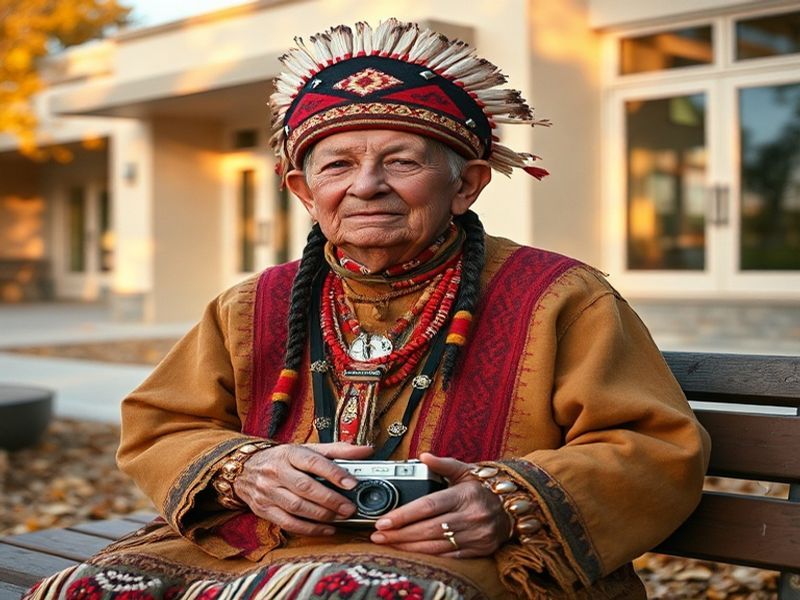
potawatomi
“`html
Potawatomi: A Legacy of Resilience and Cultural Revival
The Potawatomi people represent one of the most historically significant yet often overlooked Indigenous nations in North America. Their story is one of displacement, survival, and cultural renaissance—a narrative that continues to shape their identity today. From their original homelands in the Great Lakes region to their forced migrations across the continent, the Potawatomi have demonstrated an unyielding commitment to preserving their heritage despite centuries of adversity.
This article explores the Potawatomi’s history, cultural practices, and contemporary efforts to reclaim and revitalize their traditions. By examining their past and present, we gain insight into the broader struggles and triumphs of Indigenous communities across Turtle Island.
The Origins and Historical Journey of the Potawatomi
The Potawatomi, or Bodwéwadmi in their language, are part of the Anishinaabe peoples, a cultural and linguistic group that includes the Ojibwe and Odawa nations. Their traditional territory once stretched across what is now the Great Lakes region, encompassing parts of present-day Michigan, Indiana, Wisconsin, Illinois, and Ohio. Archaeological and oral histories suggest their presence in this region dates back over a thousand years.
By the 17th century, the Potawatomi had established themselves as a distinct nation, known for their agricultural practices, trade networks, and diplomatic alliances. Their name itself reflects their role as “keepers of the fire,” a term that underscores their central position in the Anishinaabe confederacy. This alliance was formalized in the Council of Three Fires, a political and spiritual union with the Ojibwe and Odawa that governed their interactions with neighboring tribes and European settlers.
The arrival of European colonizers in the 17th and 18th centuries marked a turning point in Potawatomi history. The fur trade brought both economic opportunities and devastating consequences, including the introduction of diseases that ravaged their population. As colonial expansion intensified, so did the pressure on the Potawatomi to cede their lands. A series of treaties—many of them coercive or fraudulent—forced the Potawatomi onto smaller and more distant reservations.
Forced Relocations and the Trail of Tears
The most infamous of these displacements was the 1838 Potawatomi Trail of Death, a 660-mile forced march from Indiana to Kansas. Under the orders of the U.S. government, approximately 859 Potawatomi were forcibly removed from their homelands. Around 40 people died during the journey, and many more perished in the years that followed due to disease and harsh conditions. This event remains a stark reminder of the systemic injustices faced by Indigenous nations during the era of Indian Removal.
For those who survived, the journey did not end in Kansas. In 1846, another wave of removals relocated the Potawatomi to Indian Territory, in what is now Oklahoma. Despite these hardships, the Potawatomi continued to adapt, forming new communities and maintaining cultural practices even in exile.
Cultural Traditions and the Potawatomi Identity
Throughout their history, the Potawatomi have maintained a rich cultural heritage that reflects their deep connection to the land. Their traditions are deeply intertwined with the natural world, from the agricultural cycles of corn, beans, and squash—known as the Three Sisters—to the spiritual significance of water, which they call Nibi.
Language is another cornerstone of Potawatomi identity. The Bodwéwadmi language, part of the Algonquian language family, was once spoken fluently by thousands. However, like many Indigenous languages, it faced severe decline due to assimilation policies and the suppression of cultural practices. Today, revitalization efforts are underway to teach the language to younger generations, ensuring its survival for future Potawatomi.
Traditional ceremonies also play a vital role in Potawatomi life. The Midewiwin, or Grand Medicine Society, is a spiritual and healing society that has been passed down through generations. Its rituals, which include the use of sacred scrolls, songs, and dances, are designed to maintain balance and harmony in the world. These ceremonies are not just historical artifacts; they remain active expressions of Potawatomi spirituality and resistance.
Artistic and Material Culture
Potawatomi artistry is both beautiful and deeply meaningful. Beadwork, quillwork, and basket weaving are traditional crafts that often carry symbolic meanings, such as the interconnectedness of life or the protection of the family. Contemporary Potawatomi artists continue to innovate, blending traditional techniques with modern mediums to create works that honor the past while speaking to the present.
Music and dance are equally important. The drum holds a central place in Potawatomi gatherings, serving as both a musical instrument and a spiritual symbol. Songs and dances, often performed during ceremonies or social gatherings, are passed down through generations, preserving stories and teachings.
Contemporary Potawatomi Communities and Revival Efforts
Today, the Potawatomi people are organized into several federally recognized tribes, including the Citizen Potawatomi Nation in Oklahoma, the Pokagon Band of Potawatomi Indians in Michigan and Indiana, and the Hannahville Indian Community in Michigan. Each tribe operates independently but shares a commitment to cultural preservation and community development.
One of the most significant contemporary movements among the Potawatomi is the revitalization of their language and traditions. Language immersion programs, such as those offered by the Citizen Potawatomi Nation, have made substantial progress in teaching Bodwéwadmi to children and adults alike. These programs are often led by fluent speakers and incorporate multimedia resources to make learning engaging and accessible.
Cultural education is also a priority. Tribal schools and community centers offer classes in traditional arts, history, and governance. The Pokagon Band, for example, has established the Pokagon Band of Potawatomi Language Program, which provides online and in-person courses to members and the public. These efforts are not just about preserving the past; they are about building a foundation for future generations.
Economic and Political Resurgence
The Potawatomi have also made strides in economic development and political advocacy. Many tribes have invested in diversified economies, including gaming, agriculture, and manufacturing. The Citizen Potawatomi Nation, for instance, operates several successful businesses, from casinos to construction companies, which generate revenue for tribal programs and services.
Politically, the Potawatomi have been active in advocating for Indigenous rights. They have supported movements such as the Land Back initiative, which seeks to restore Indigenous stewardship of traditional lands. Additionally, tribal leaders have testified before Congress on issues like treaty rights, healthcare, and environmental protection, ensuring that the voices of the Potawatomi are heard at the highest levels of government.
Why the Potawatomi Story Matters Today
The history and contemporary experiences of the Potawatomi offer valuable lessons about resilience, cultural preservation, and the ongoing struggle for justice. Their story is not just one of survival; it is a testament to the power of community, adaptability, and the unbroken connection to heritage.
For non-Indigenous audiences, learning about the Potawatomi provides an opportunity to confront the darker chapters of American history and to celebrate the strength of Indigenous peoples in the face of adversity. It also highlights the importance of allyship—supporting Indigenous communities in their efforts to reclaim languages, lands, and rights.
Moreover, the Potawatomi’s revival efforts serve as a model for other Indigenous nations facing similar challenges. Their success in language revitalization, cultural education, and economic development demonstrates that Indigenous cultures are not relics of the past but living, evolving traditions that continue to thrive.
Key Takeaways
- Historical Significance: The Potawatomi were a key nation in the Great Lakes region, part of the Anishinaabe confederacy, and played a crucial role in trade and diplomacy.
- Forced Displacement: The Potawatomi Trail of Death and subsequent removals are emblematic of the injustices faced by Indigenous peoples during U.S. expansion.
- Cultural Preservation: Efforts to revitalize the Bodwéwadmi language and traditional ceremonies are central to Potawatomi identity today.
- Contemporary Resilience: Federally recognized tribes, such as the Citizen Potawatomi Nation and Pokagon Band, are leading economic and cultural revival initiatives.
- Broader Implications: The Potawatomi story underscores the importance of Indigenous rights, land stewardship, and the power of cultural revival in the modern world.
For those interested in exploring more about Indigenous cultures and their intersections with modern society, Dave’s Locker Culture and Analysis sections offer a wealth of articles that delve into these themes.
Conclusion: Honoring the Past, Building the Future
The Potawatomi people’s journey—from their ancestral homelands to their current communities—is a story of endurance and renewal. Their ability to adapt while holding fast to their cultural values is a source of inspiration for Indigenous and non-Indigenous people alike. As they continue to reclaim their language, lands, and traditions, the Potawatomi serve as a reminder of the resilience of Indigenous cultures worldwide.
For educators, policymakers, and allies, the Potawatomi story is a call to action. It challenges us to recognize the ongoing impacts of colonialism and to support Indigenous communities in their efforts to heal and thrive. By listening to their voices and amplifying their achievements, we contribute to a more just and inclusive future.
The Potawatomi are not merely a chapter in history; they are a living culture, a vibrant community, and a testament to the enduring power of heritage. Their legacy is one that deserves to be celebrated, studied, and honored for generations to come.
—METADATA—
{
“title”: “Potawatomi People: History, Culture, and Modern Revival”,
“metaDescription”: “Discover the rich history and cultural revival of the Potawatomi people, from forced removals to contemporary resilience and language revitalization.”,
“categories”: [“Culture”, “Analysis”],
“tags”: [“Potawatomi history”, “Indigenous culture”, “Bodwéwadmi language”, “Potawatomi Trail of Death”, “Indigenous resilience”],
“image