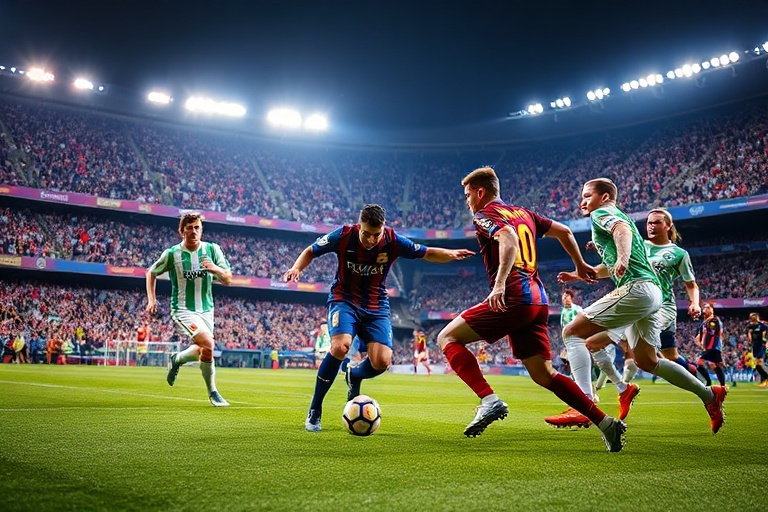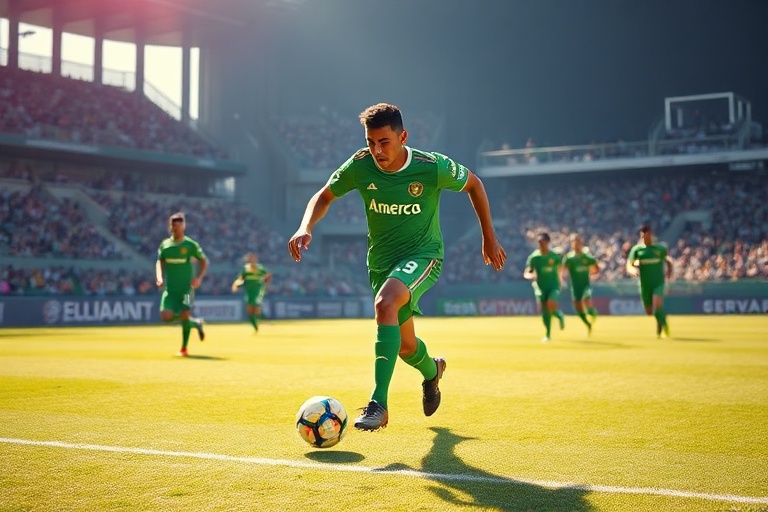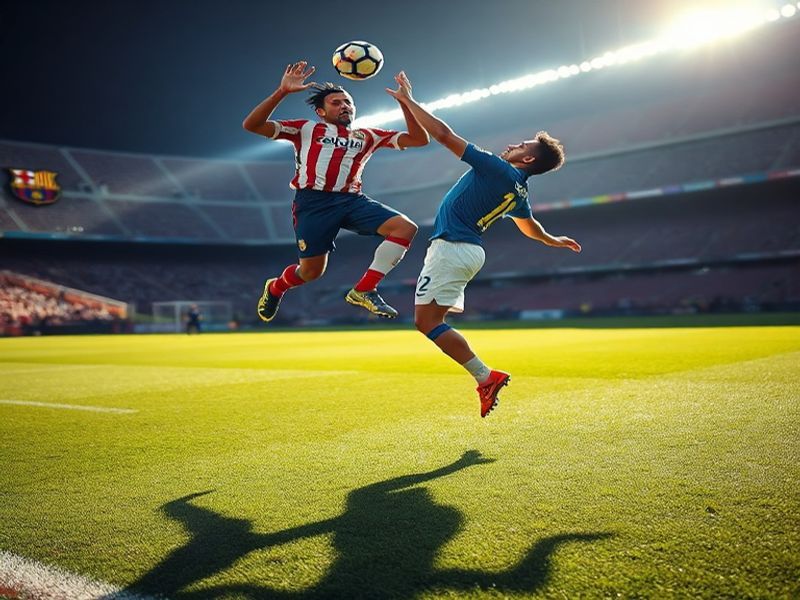
The Primera División is more than just Argentina’s top football league—it’s a crucible where raw talent is forged into world-class skill. Home to legendary clubs like Boca Juniors, River Plate, and Independiente, this league has long been a proving ground for players who go on to dominate European football. Its fast-paced, technically demanding style of play has earned it a reputation as one of the most exciting leagues in the world.
The league’s history stretches back to 1891, making it one of the oldest in the world. Over the decades, it has evolved from amateur beginnings into a professional powerhouse, reflecting Argentina’s deep passion for the sport. Today, the Primera División stands as a testament to the country’s footballing culture, producing stars like Lionel Messi, Diego Maradona, and Sergio Agüero before they became global icons.
The Structure and Significance of the Primera División
The Primera División operates on a system of promotion and relegation, ensuring competitive balance and giving smaller clubs a pathway to the top. The league consists of 28 teams, each playing a grueling 27-match season. The format includes two championships per year—a Torneo Apertura (Opening) and a Torneo Clausura (Closing)—a tradition that dates back to 1990.
This split-season system creates two distinct champions, adding an extra layer of intrigue. Clubs must maintain consistency across both tournaments to avoid relegation, which is determined by a team’s average points over the past three seasons. This structure keeps the league unpredictable and ensures that even mid-table teams face constant pressure.
Beyond the domestic competition, the Primera División serves as a feeder system for European clubs. Scouts flock to Argentina to identify young talent, often signing players before they turn 20. This export-driven model has made the league a crucial part of the global football ecosystem, with clubs like Barcelona, Real Madrid, and Manchester City frequently scouting Argentine prospects.
Key Factors Behind the League’s Success
The Primera División’s appeal lies in several key factors:
- Technical Brilliance: Argentine football is renowned for its emphasis on skill, creativity, and close ball control. Players are trained from a young age to master dribbling, passing, and improvisation—traits that define the league’s style.
- Passionate Fan Culture: Stadiums like Boca Juniors’ La Bombonera and River Plate’s El Monumental are legendary for their electric atmospheres. The intensity of Argentine fans creates an unmatched matchday experience.
- Youth Development: Academies at clubs like River Plate (La Masía) and Boca Juniors (La Candela) are world-class, producing generations of talent. The focus on youth ensures a steady pipeline of stars.
- Global Scouting Network: European clubs rely on the Primera División to find undervalued talent. The league’s affordability compared to Europe makes it an attractive hunting ground for bargains.
These elements combine to create a league that is both a spectacle and a talent factory. While financial disparities with European leagues persist, the Primera División remains a vital proving ground for the next generation of footballers.
The Broader Implications of Argentina’s Top Flight
The Primera División’s influence extends far beyond Argentina’s borders. For decades, it has been a critical stepping stone for players aiming to break into Europe. Clubs in LaLiga, the Premier League, and Serie A often turn to Argentine talent to inject flair and technical ability into their squads.
This export model has also shaped Argentina’s national team. The country’s success in international tournaments—including World Cup wins in 1978 and 2022—can be traced back to the league’s ability to nurture elite players. Even today, over 60% of Argentina’s 2022 World Cup squad played in the Primera División at some point in their careers.
Financially, the league faces challenges. While top European clubs spend hundreds of millions on transfers, Argentine clubs often operate with limited budgets. However, this constraint has forced them to innovate, particularly in youth development and scouting. Clubs like Vélez Sarsfield and Estudiantes de La Plata have become known for their ability to develop world-class talent without massive spending.
Another key implication is the league’s role in South American football. The Primera División is part of the Copa Libertadores, South America’s premier club competition. Success in the league often translates to deep runs in the Libertadores, which can generate significant revenue and prestige for Argentine clubs.
What’s Next for the Primera División?
The future of the Primera División hinges on several factors. One major challenge is financial sustainability. With European clubs dominating the transfer market, Argentine clubs must find ways to retain talent while still developing stars. Some have turned to revenue-sharing models and improved commercial strategies to stay competitive.
Another area of focus is stadium development. Many clubs still play in aging venues, limiting their ability to generate matchday revenue. Investments in modern infrastructure could enhance the fan experience and attract more global attention.
On the pitch, the league continues to evolve. Younger players like Thiago Almada and Gonzalo Montiel are carrying the torch of Argentine football, blending technical skill with physicality. Their success could signal a new era for the league, one where homegrown talent stays longer before moving to Europe.
Ultimately, the Primera División remains a cornerstone of world football. Its ability to produce elite talent while maintaining a unique cultural identity ensures its place in the global game. For fans, it’s a league of passion, drama, and unparalleled skill—a true spectacle of South American football.
Conclusion
The Primera División is more than just a league; it’s a tradition, a proving ground, and a global talent pipeline. From its historic roots to its modern-day challenges, it continues to shape the future of football. As Argentine clubs adapt to the demands of the modern game, the league’s legacy as a cradle of talent remains secure. For fans and players alike, the Primera División offers something rare in football: a perfect blend of artistry, competition, and raw emotion.