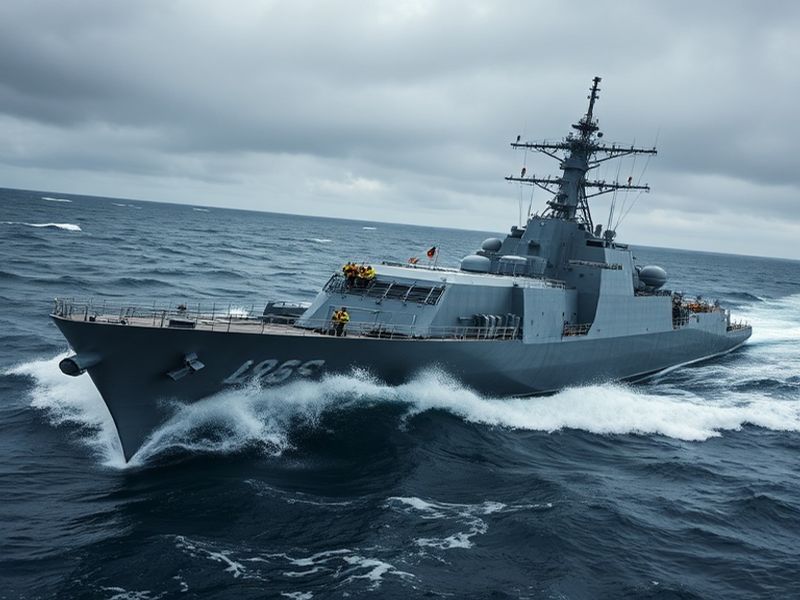
The Royal Navy: A Legacy of Seapower and Global Influence
The Royal Navy stands as one of the most storied naval forces in history, its origins tracing back to the 16th century when King Henry VIII established the first permanent naval force. Over centuries, it evolved from wooden sailing ships to modern nuclear-powered vessels, shaping global trade, warfare, and diplomacy. Today, the Royal Navy remains a pivotal player in international security, projecting British influence across the world’s oceans.
Its enduring legacy is not just a matter of military might but also cultural significance. From Nelson’s triumph at Trafalgar to the Falklands conflict, the Royal Navy has been woven into the fabric of British identity. Globally, it continues to symbolize stability in regions plagued by piracy, terrorism, and geopolitical tension. Understanding its role requires examining both its historical contributions and its modern-day operations.
A Brief History: From Humble Beginnings to Global Dominance
The Royal Navy’s early years were marked by constant evolution. During the reign of Elizabeth I, privateers like Sir Francis Drake laid the groundwork for a professional fleet. By the 18th century, the Navy had become the backbone of the British Empire, ensuring dominance over global trade routes. The Napoleonic Wars solidified its reputation, with Admiral Horatio Nelson’s victory at Trafalgar in 1805 crippling French naval ambitions.
The 19th century saw further expansion, driven by industrialization and imperial ambitions. Steam-powered ships replaced sail, and the Navy adopted ironclad vessels, keeping pace with technological advancements. The two World Wars tested its resilience, with the Battle of the Atlantic proving critical to Allied victory in World War II. Post-war, the Royal Navy adapted to the nuclear age, commissioning submarines like the HMS Dreadnought and maintaining a continuous at-sea deterrent.
Today, the Royal Navy faces new challenges. Cyber warfare, drone technology, and shifting alliances demand constant innovation. Yet, it remains a cornerstone of British defense strategy, operating alongside allies in NATO and other multinational coalitions.
The Modern Fleet: Technology and Strategy in the 21st Century
The Royal Navy’s current fleet reflects a blend of cutting-edge technology and traditional seafaring principles. At its core are the Queen Elizabeth-class aircraft carriers, the largest ships ever built for the Royal Navy. These vessels, HMS Queen Elizabeth and HMS Prince of Wales, serve as mobile airbases, capable of deploying F-35B Lightning II jets. Their introduction marked a significant shift in Britain’s power projection capabilities.
Complementing the carriers is the Type 45 destroyers, designed for air defense with advanced radar and missile systems. These ships are complemented by the Type 23 and Type 26 frigates, which focus on anti-submarine warfare and general-purpose missions. Submarine capability remains a critical asset, with the Astute-class nuclear-powered submarines providing stealth and firepower.
The Royal Navy also invests in unmanned systems and artificial intelligence. Projects like the Sea Viper missile system and autonomous underwater vehicles highlight its commitment to staying ahead of technological curves. These innovations ensure the Navy remains relevant in an era where traditional naval warfare intersects with cyber threats and hybrid conflicts.
Operationalally, the Royal Navy maintains a global presence. Its Fleet Ready Escort program ensures ships are deployed worldwide, from the Mediterranean to the Indo-Pacific. Joint exercises with allies, such as the U.S. Navy and Japan Maritime Self-Defense Force, reinforce interoperability and collective security.
Cultural Impact: Symbolism, Art, and Public Perception
Beyond its military role, the Royal Navy holds deep cultural significance. Literature, film, and art have immortalized its heroes and battles. Novels like C.S. Forester’s Horatio Hornblower series romanticized naval life, while movies like Master and Commander brought its historical drama to modern audiences. Even video games like Assassin’s Creed IV: Black Flag feature the Royal Navy as a formidable adversary.
The Navy’s influence extends to maritime traditions. Ceremonies like the Beating Retreat and the Trafalgar Night Dinners celebrate its history, while the annual Fleet Review showcases its current strength. Museums such as the National Maritime Museum in Greenwich preserve its artifacts, educating visitors about its legacy.
Public perception of the Royal Navy is generally positive, though debates about its size and budget persist. Critics argue that post-Cold War drawdowns have weakened its capabilities, while supporters highlight its adaptability and professionalism. Regardless, the Navy remains a source of national pride, embodying qualities like discipline, courage, and innovation.
Challenges and Future Outlook
The Royal Navy faces several challenges in the coming decades. Budget constraints and competing defense priorities threaten its modernization efforts. The Type 31 frigates, intended to replace older vessels, have faced delays and cost overruns. Meanwhile, rising powers like China and Russia challenge Western naval dominance, particularly in the Indo-Pacific and Arctic regions.
Another critical issue is recruitment and retention. Like many Western militaries, the Royal Navy struggles to attract young talent amid competition from civilian careers. Initiatives like the Royal Navy Cadets and increased outreach programs aim to address this gap, but long-term solutions remain elusive.
Despite these hurdles, the Royal Navy’s future is not without promise. The Integrated Review 2021 reaffirmed Britain’s commitment to a “Global Britain” strategy, with the Navy playing a central role. Expanding partnerships with like-minded nations, investing in next-generation technologies, and maintaining a balanced fleet are key to its continued relevance.
The Royal Navy’s story is far from over. As it navigates the complexities of the 21st century, its legacy of seapower will endure, ensuring its place as a vital force for stability and security on the high seas.