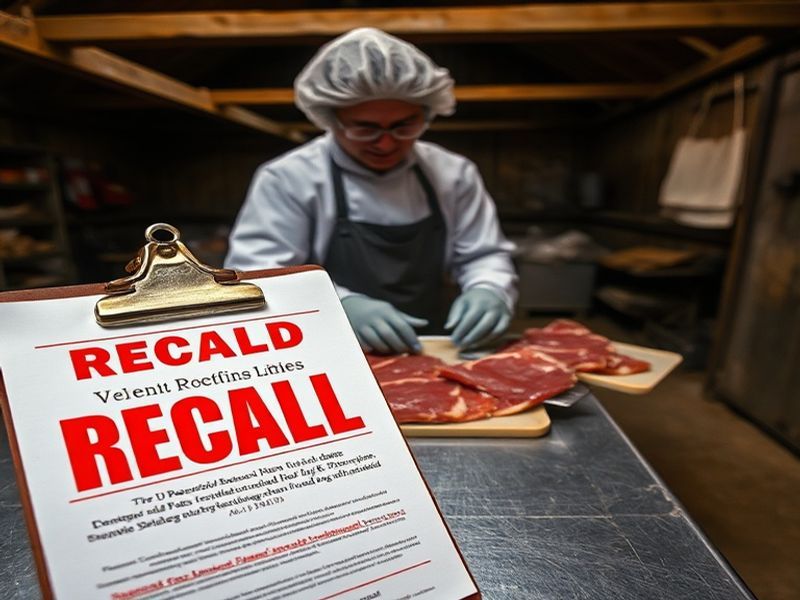
Understanding the Curing Barn British Bresaola Recall: A Global Food Safety Concern
The recent recall of British bresaola products from Curing Barn has sent ripples through the global food industry. This air-dried, salted beef product, traditionally enjoyed across Europe and beyond, has come under scrutiny due to potential contamination risks. The recall underscores broader challenges in food safety, supply chain transparency, and consumer trust in an era where global trade connects producers and consumers like never before.
Bresaola holds a special place in Italian cuisine, often sliced thin and served with arugula, parmesan, and olive oil. Its popularity has spread to the UK and other markets, where it is prized for its lean profile and rich, savory flavor. However, the recall highlights how even artisanal food products are not immune to the pressures of industrial-scale production and distribution.
The Scope of the Recall and Its Immediate Impact
The recall was initiated after routine testing by food safety authorities detected elevated levels of Listeria monocytogenes in certain batches. While no illnesses have been reported as of this writing, the potential for contamination poses serious health risks, particularly for vulnerable populations such as pregnant women, the elderly, and immunocompromised individuals. Curing Barn has voluntarily pulled affected products from shelves and issued public notices in the UK and EU markets.
Retailers and distributors have scrambled to remove the products, creating temporary shortages in specialty delis and gourmet food sections. The incident has also sparked discussions among food safety advocates about the adequacy of current testing protocols for dried meat products. Unlike fresh meats, which are often subject to more frequent inspections, cured meats rely heavily on supplier self-regulation and end-product testing.
A Closer Look at the Production Process and Risks
Bresaola’s traditional production involves curing beef with salt, spices, and sometimes wine or vinegar, followed by air-drying for several weeks. This process is designed to inhibit bacterial growth, but it is not foolproof. Contamination can occur at multiple stages, from the sourcing of raw meat to packaging and storage. The Curing Barn recall suggests that lapses may have occurred in one or more of these areas.
Food safety experts point out that Listeria can survive in dry environments, making it particularly challenging to eliminate in cured meats. The bacteria thrive in temperatures between 0°C and 45°C, which means even refrigerated storage may not guarantee safety if initial contamination was present. This raises questions about whether current industry standards are sufficient for products that are often marketed as premium, “clean-label” items.
The Global Context: How Other Countries Handle Cured Meat Safety
The recall also invites comparison with how other nations regulate cured meats. In Italy, where bresaola originated, producers are required to follow strict guidelines set by the European Union’s Food Safety Authority. These rules mandate regular testing for pathogens, including Listeria, throughout the production process. However, enforcement can vary, particularly for smaller artisanal producers who may lack the resources for rigorous quality control.
In contrast, the United States has a more decentralized approach. While the USDA regulates meat safety, cured products like bresaola often fall into a gray area because they are not cooked before consumption. The Curing Barn incident may prompt US regulators to reevaluate their oversight of imported dried meats, especially as consumer demand for European-style charcuterie grows.
Consumer Reactions and Industry Repercussions
For consumers, the recall has reignited debates about transparency in food labeling. Many shoppers purchase bresaola under the assumption that its artisanal nature guarantees higher safety standards. The Curing Barn incident challenges that perception, forcing buyers to reconsider whether “traditional” methods are enough to ensure food safety in a globalized market.
Industry analysts predict that the recall will accelerate calls for stricter supply chain tracking. Technologies like blockchain, already being tested in other food sectors, could provide real-time monitoring of meat from farm to shelf. Such innovations might have prevented the Curing Barn issue by identifying contamination sources earlier.
Meanwhile, competitors in the cured meat market are seizing the moment to reinforce their own safety credentials. Some brands are highlighting their organic certifications or third-party audits in marketing campaigns, aiming to reassure skittish consumers.
What’s Next for Curing Barn and the Bresaola Industry?
Curing Barn has pledged full cooperation with investigators, and the company’s reputation now hinges on the outcome of these inquiries. If contamination is traced to a specific supplier or facility, the fallout could extend beyond the brand itself, affecting broader trust in British-cured meats.
For the industry at large, the recall serves as a cautionary tale. As global demand for artisanal and specialty foods grows, so too does the responsibility of producers to uphold safety standards. This incident may well become a turning point, pushing regulators, retailers, and manufacturers to adopt more rigorous and transparent practices.
Key Takeaways for Consumers and Businesses
If you’ve recently purchased bresaola from Curing Barn, check the product’s batch numbers against the recall list provided by the UK Food Standards Agency. Consumers with compromised immune systems are advised to avoid the product entirely until further notice. For businesses, this recall underscores the importance of:
- Conducting regular, independent pathogen testing.
- Investing in supply chain transparency tools.
- Educating staff on proper handling and storage protocols.
- Monitoring regulatory updates in real time.
The Curing Barn recall is more than a single incident—it’s a reminder of the delicate balance between tradition and safety in the modern food landscape. As global palates continue to embrace diverse culinary traditions, the onus is on producers to ensure that innovation does not come at the cost of consumer health.