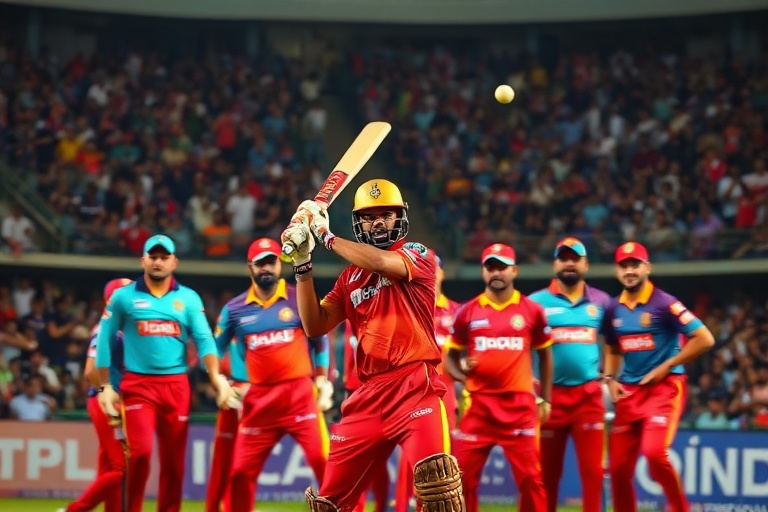
The season finale isn’t just another episode—it’s the culmination of months of storytelling, character arcs, and emotional investment. Whether it’s a television series, a sports season, or even a competitive gaming tournament, the final installment carries a weight that mid-season episodes simply can’t match. Audiences tune in with anticipation, critics dissect every line, and creators walk a tightrope between satisfying expectations and subverting norms.
The Psychology Behind the Finale
Human psychology plays a significant role in how we perceive season finales. The entertainment industry understands this well. A well-crafted finale taps into our innate desire for closure. We invest emotionally in characters and narratives, and when a season ends, we crave resolution—whether it’s a happy ending, a cliffhanger, or a shocking twist. This psychological pull explains why some finales become cultural touchpoints, debated for years.
Neuroscientists suggest that unresolved narratives trigger the brain’s reward system differently than complete ones. A study published in Psychological Science found that people remember and engage more with stories that end on a definitive note, even if it’s bittersweet. This might explain why shows like Breaking Bad and The Sopranos remain etched in viewers’ minds—they delivered endings that felt earned, if not always satisfying.
Why Some Finales Succeed (and Others Fail)
Not all finales hit the mark. The difference often lies in execution. A successful finale balances payoff with unpredictability. It honors the journey while taking bold risks. Consider Game of Thrones—its final season polarized audiences not because it rushed character arcs but because it prioritized spectacle over substance.
Contrast that with Breaking Bad, where creator Vince Gilligan meticulously set up Walter White’s transformation over five seasons. The finale didn’t just wrap up the plot; it reinforced themes of morality and consequence. The result? A universally acclaimed conclusion that felt inevitable yet surprising.
The Business of Finales: Ratings, Revenue, and Legacy
For networks and studios, season finales are high-stakes business. A strong finale can boost viewership, drive streaming numbers, and even revive interest in a flagging series. The sports world understands this too—playoff games and championship finals often draw record-breaking audiences because they represent the pinnacle of competition.
Advertisers and sponsors recognize this power. A prime-time slot before a major finale can command premium rates. Networks strategically place cliffhangers to keep audiences hooked until the next season, ensuring consistent engagement. Even canceled shows benefit—controversial or ambiguous finales can spark renewed discussion, keeping the series relevant long after its run ends.
Case Studies: What Works and What Doesn’t
Let’s break down a few notable examples to see what makes a finale resonate (or flop).
- Success: Mad Men (2015) – Ended with Don Draper finding peace in a Coca-Cola ad, a twist that reinforced the show’s themes of identity and consumerism. The ambiguity allowed viewers to project their own interpretations.
- Mixed Reception: The X-Files (2018 revival) – Attempted to wrap up Mulder and Scully’s story, but fans felt it prioritized fan service over narrative depth.
- Critical Darling: Chernobyl (2019) – The miniseries didn’t just end; it delivered a haunting epilogue that left audiences in stunned silence, reinforcing its historical weight.
- Fan Backlash: How I Met Your Mother (2014) – The controversial finale undermined years of character development with a rushed, tone-deaf reveal.
The Broader Implications of a Season Finale
Beyond entertainment, season finales reflect societal trends and cultural conversations. Shows like The Handmaid’s Tale use their finales to comment on real-world issues, turning fiction into a mirror for current events. In sports, finals like the Super Bowl or the World Cup become global events that transcend the game itself, uniting (or dividing) nations under a shared spectacle.
Even in gaming, tournament finals like The International for Dota 2 or the League of Legends World Championship draw millions of viewers. These events aren’t just about competition—they’re about storytelling. The underdog’s rise, the champion’s redemption, the heartbreak of defeat—all these narratives play out in real time, with millions invested in the outcome.
The Creator’s Dilemma: How to End a Story
For writers, directors, and producers, crafting a finale is one of the most daunting tasks in storytelling. The pressure to deliver a satisfying conclusion can lead to creative paralysis. Some creators avoid finales altogether, opting for open-ended narratives that leave room for interpretation. Others embrace ambiguity, trusting audiences to fill in the blanks.
But what if a show is canceled before its time? Writers’ rooms often face this challenge, scrambling to wrap up storylines without the luxury of a planned conclusion. Shows like Lost and Heroes suffered from rushed endings that left fans frustrated. The key, perhaps, is to prioritize character over plot—letting emotional truth guide the finale, even if the details feel unresolved.
Conclusion: The Enduring Power of a Season Finale
The season finale is more than an episode—it’s a cultural artifact, a business strategy, and a storytelling challenge all in one. Whether it’s a television show, a sports season, or a competitive event, the finale carries the weight of expectations, emotions, and legacies. A great finale doesn’t just end a story; it elevates it, ensuring that the journey lingers long after the credits roll.
For creators, the lesson is clear: respect the audience’s investment. For viewers, the takeaway is simple—appreciate the artistry of a well-crafted finale, but don’t be afraid to critique one that falls short. After all, the best finales spark conversations, fuel theories, and keep the story alive in our minds long after the last scene fades to black.