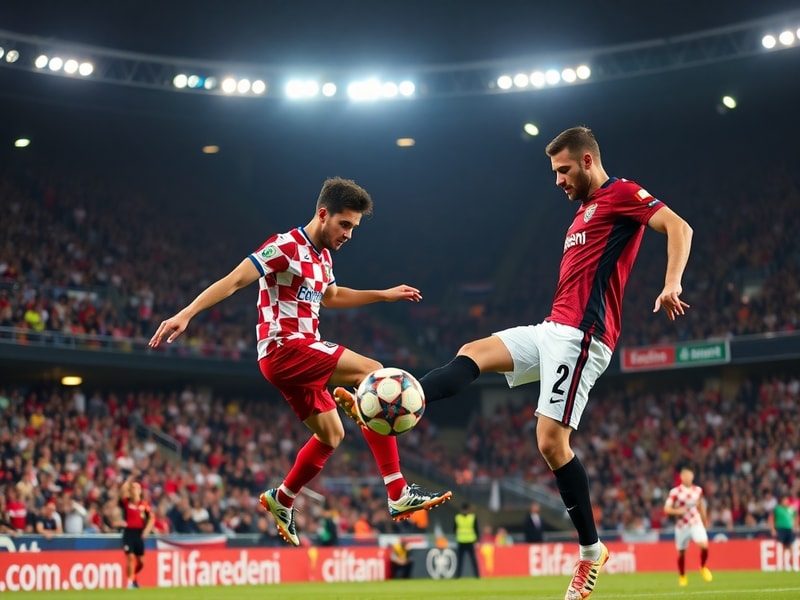
La Liga’s unpredictable nature was on full display in the recent clash between CA Osasuna and Sevilla FC. The match highlighted tactical nuances, individual brilliance, and the relentless competition that defines Spain’s top flight.
The Context: Where These Teams Stand
Osasuna and Sevilla represent two distinct narratives in La Liga. Osasuna, known for their disciplined defensive structure and counterattacking prowess, sit comfortably in the upper midtable. Their recent form has been solid, with a blend of experienced campaigners and emerging talents. Sevilla, on the other hand, has struggled with consistency this season. Despite their historic pedigree and European pedigree, they find themselves hovering closer to the relegation zone than their usual top-half finishes.
This matchup wasn’t just about three points. It was a test of identity. Osasuna’s ability to frustrate possession-heavy teams would be challenged by Sevilla’s technical midfielders. Meanwhile, Sevilla needed a result to shift momentum and restore confidence in their squad.
Key Storylines Before Kickoff
- Osasuna’s Defensive Solidity: Under manager Jagoba Arrasate, Osasuna has become synonymous with compact defending. Their backline, marshaled by center-backs like Unai García, has conceded fewer goals than most midtable sides.
- Sevilla’s Midfield Dilemma: Sevilla’s inability to control games in midfield has been a recurring issue. Their lack of a true defensive midfielder often leaves them exposed when opponents transition quickly.
- Home Advantage: El Sadar Stadium is notoriously difficult for visiting teams. Osasuna’s fans create an intense atmosphere that can disrupt even the most composed opponents.
- European Distractions: Sevilla’s involvement in the Europa League adds another layer of complexity. Squad rotation becomes a necessity, which can disrupt rhythm in league matches.
Tactical Breakdown: How the Game Unfolded
The match began with Osasuna setting up in a 4-4-2 formation, prioritizing defensive stability. Sevilla, in a 4-2-3-1, looked to dominate possession through their midfield trio of Joan Jordán, Thomas Delaney, and Óliver Torres. However, Osasuna’s midfield four, led by the industrious Aimar Oroz, disrupted Sevilla’s rhythm by pressing aggressively in certain zones.
Early pressure from Sevilla saw them carve out a few half-chances, but Osasuna’s backline remained resolute. The turning point came in the 32nd minute when Osasuna exploited a defensive error. A quick counterattack, sparked by a Sevilla turnover in midfield, ended with Kike García slotting home past Yvon Mvogo. The goal was a microcosm of Osasuna’s season—efficient, clinical, and rooted in defensive organization.
Sevilla responded by pushing harder, bringing on Rafa Mir and Erik Lamela to add creativity. Their increased attacking fervor left them vulnerable at the back, and Osasuna nearly doubled their lead in the 78th minute when Chimy Ávila capitalized on a defensive lapse. The final whistle confirmed a 2-0 victory for Osasuna, a result that felt earned through discipline and tactical execution.
Individual Performances That Mattered
- Unai García (Osasuna): The captain marshaled the defense with composure, making crucial interceptions and organizing his backline to nullify Sevilla’s threats.
- Kike García (Osasuna): The experienced forward showcased his predatory instincts, punishing Sevilla’s defensive error to score the opener.
- Joan Jordán (Sevilla): Sevilla’s midfield general attempted to dictate play, but his side’s lack of structure often left him isolated.
- Darko Brašanac (Osasuna): The defensive midfielder was instrumental in breaking up Sevilla’s play, completing 92% of his passes and winning every aerial duel.
Broader Implications for La Liga
This result wasn’t just a three-point swing for Osasuna; it underscored broader themes in La Liga this season. The league’s competitiveness continues to grow, with even midtable sides like Osasuna capable of grinding out results against historically stronger teams. Sevilla’s struggles reflect a deeper issue—clubs with European ambitions often face a dilemma between prioritizing domestic league form and continental commitments.
For Osasuna, the win reinforced their status as a team that punches above their weight. Their ability to frustrate opponents and capitalize on mistakes is a model for sides with limited resources. It also raises questions about Sevilla’s future. With a new manager, Diego Alonso, at the helm, the Argentine will need to address the team’s defensive frailties and midfield imbalance if they are to avoid a first relegation in decades.
What This Means for the Rest of the Season
Osasuna’s victory could have ripple effects across the league table. While they are unlikely to challenge for a European spot, their consistency makes them a thorn in the side of bigger clubs. Sevilla, meanwhile, must regroup quickly. A poor run of form could see them dragged into a relegation battle, a scenario unthinkable for a club of their stature.
For neutrals, matches like this are a reminder of La Liga’s unpredictability. The league is no longer a two-horse race between Real Madrid and Barcelona; it’s a battleground where tactical nous and resilience often triumph over star power.
Conclusion: A Lesson in La Liga’s Evolution
The Osasuna vs Sevilla match was a microcosm of La Liga’s evolving landscape. Osasuna’s disciplined approach and Sevilla’s struggles highlighted the fine margins that separate success from disappointment in Spain’s top flight. For Osasuna, the win was a statement of intent—a reminder that in football, tactics and mentality can often outweigh individual talent.
Sevilla, on the other hand, face a critical juncture. Their inability to string together consistent performances is a concern, and the Europa League distraction may have exacerbated their league form. The club’s hierarchy will need to make tough decisions in the coming months to steer the team back on course.
As the season progresses, matches like this will continue to shape the narrative of La Liga. For fans, it’s a compelling storyline—one where the underdog’s resilience and the giant’s fallibility create a league that is as unpredictable as it is captivating.
For more insights into La Liga’s tactical trends and team analyses, visit our Sports and Analysis sections.