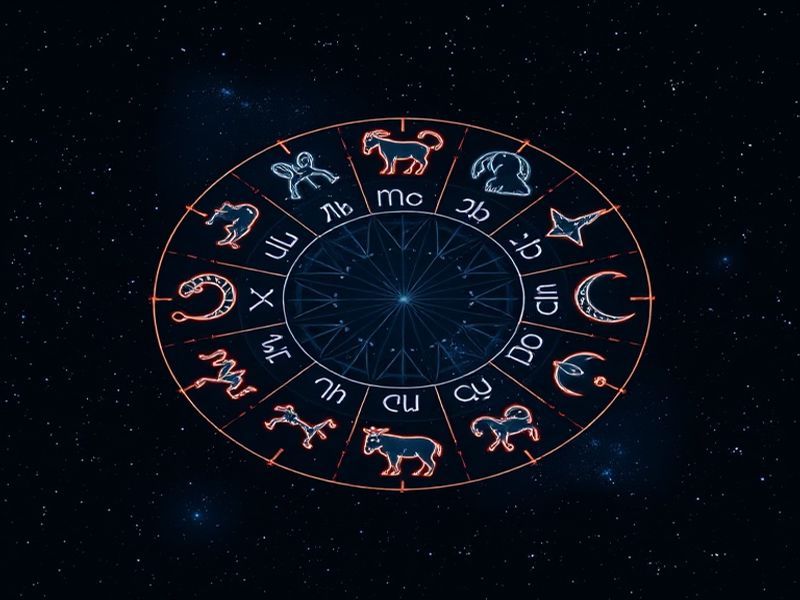
For thousands of years, humans have turned to the stars for guidance, seeking meaning in celestial alignments. The zodiac—a 360-degree band of constellations—has evolved from Babylonian astronomy to a cornerstone of modern astrology. While skeptics dismiss it as pseudoscience, the zodiac persists as a cultural touchstone, shaping personalities, relationships, and even daily decisions for millions.
The Historical Roots of the Zodiac
The zodiac’s origins trace back to ancient Mesopotamia, where Babylonian astronomers divided the sky into twelve equal segments around 1000 BCE. Each segment corresponded to a constellation, creating a system for tracking celestial movements and predicting seasonal changes. The Greeks later adopted and expanded this framework, naming the constellations after mythological figures like Aries the Ram and Leo the Lion.
By the 2nd century CE, the astronomer Ptolemy formalized the zodiac’s structure in his work Tetrabiblos, linking each sign to specific personality traits and life events. This text became the foundation for Western astrology, influencing cultures from India to Europe. Even today, the zodiac’s historical weight lends it an air of legitimacy, despite modern astronomy’s rejection of its predictive claims.
Key Milestones in Zodiac Development
- 1000 BCE: Babylonian astronomers establish the first zodiac system.
- 2nd Century CE: Ptolemy codifies the zodiac’s structure in Tetrabiblos.
- 15th Century: European astrologers merge zodiac symbolism with alchemy and medicine.
- 20th Century: Psychological astrology emerges, framing zodiac signs as archetypes rather than fate.
The Zodiac in Contemporary Culture
In the 21st century, the zodiac thrives in digital spaces. Social media platforms amplify its reach, with horoscope apps and memes turning astrological insights into shareable content. A 2022 Pew Research study found that 29% of Americans believe in astrology, a number that climbs to 41% among millennials. This resurgence reflects broader trends in wellness and self-discovery, where astrology offers a structured way to reflect on identity.
Brands have also capitalized on the zodiac’s popularity. From Zodiac-themed merchandise to astrology-inspired marketing campaigns, companies leverage the system’s emotional resonance. For example, fashion retailers like Zara have released zodiac-themed collections, while dating apps like OkCupid allow users to filter matches by astrological compatibility. The zodiac’s adaptability ensures its relevance across industries.
The Zodiac’s Role in Mental Health Discussions
Some therapists incorporate astrology into their practices, using zodiac signs as conversation starters to help clients explore their emotions. While this approach lacks empirical backing, it highlights the zodiac’s function as a tool for introspection. Critics argue that relying on horoscopes can foster determinism—believing one’s fate is sealed by their sign—but proponents see it as a harmless way to foster self-awareness.
In online communities, platforms like Reddit host forums where users dissect their signs’ nuances. Threads like r/astrology boast over 10 million members, where anecdotes and interpretations blend seamlessly. This digital exchange underscores the zodiac’s evolution: from an ancient tool for predicting harvests to a modern language for articulating human experience.
Debating the Zodiac’s Scientific Validity
Astronomers and skeptics dismiss the zodiac as pseudoscience, citing the phenomenon of Barnum statements—vague descriptions that seem personal but apply to everyone. For example, a horoscope reading like “You sometimes worry about your future” could describe anyone. Additionally, the zodiac’s original constellations have shifted due to Earth’s axial precession, making tropical astrology (the system used in Western horoscopes) technically inaccurate by about one month.
Yet, the zodiac’s persistence suggests its value lies beyond empirical proof. Anthropologist Clifford Geertz argued that symbols like the zodiac provide “models of” and “models for” reality—meaning they shape how people perceive their lives even if they don’t objectively predict them. In this light, the zodiac functions as a cultural framework, offering narrative tools to interpret the chaos of existence.
Where Astrology and Astronomy Diverge
- Astronomy: A scientific study of celestial objects and phenomena, grounded in observable data.
- Astrology: A belief system that interprets celestial movements as influences on human affairs, lacking empirical validation.
- Precession: The gradual shift in Earth’s axial tilt, which has caused the zodiac constellations to drift over millennia.
Why the Zodiac Still Matters
The zodiac’s endurance speaks to humanity’s enduring need for patterns and meaning. In an era of algorithmic curation and data-driven decisions, the zodiac offers a counterpoint—a system that prioritizes intuition and subjectivity. Whether used for entertainment or introspection, it provides a shared language for discussing personality, relationships, and life’s unpredictability.
For skeptics, the zodiac is a playful diversion; for believers, it’s a guiding light. Its flexibility ensures its survival, adapting to each generation’s values and anxieties. As long as humans gaze at the stars and seek answers, the zodiac will remain a fixture of cultural discourse—flawed, fascinating, and firmly embedded in the human experience.
Explore more about astrology’s cultural impact and its intersections with modern life on Dave’s Locker Entertainment or dive into broader discussions on Dave’s Locker Culture.