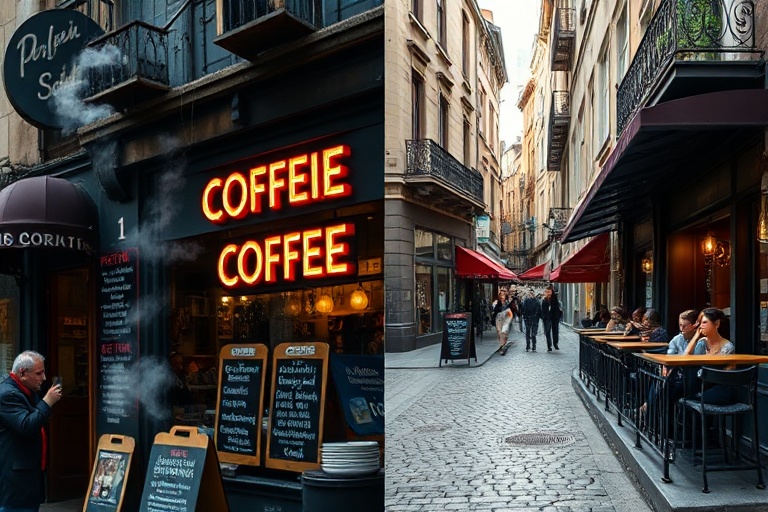
Portland, Oregon and Montréal, Quebec stand as two of North America’s most distinctive urban centers. While both cities share a reputation for progressive culture and vibrant arts scenes, their differences in geography, history, and daily life paint a vivid contrast. One thrives on open-air urbanism and craft beer culture; the other flourishes within a European-inspired architectural embrace, layered with bilingual energy and underground music vitality.
Beyond their surface appeal, these cities represent opposing philosophies of urban development. Portland champions walkability and environmental consciousness, while Montréal embraces density and historical preservation. Whether you’re considering a move, planning a visit, or simply curious about urban identity, comparing these two cities reveals much about what makes a place truly livable.
Geography and Urban Design: Open Spaces vs. Compact Density
Portland’s urban fabric is defined by its relationship with nature. The city is encircled by forests, rivers, and volcanic peaks, with the Willamette River cutting through the heart of downtown. This proximity to wilderness is intentional—Portland’s 1970s-era urban growth boundary prevents sprawl, preserving green belts and farmland. The result is a city where nearly every neighborhood is within a 20-minute bike ride of a park or natural area.
In contrast, Montréal is a city built for density. Its island location and European roots have shaped a compact, walkable core where historic stone buildings line narrow streets. The city’s density isn’t just aesthetic; it’s functional. Public transit—especially the Métro—is efficient and deeply integrated into daily life. While Portlanders might hike in Forest Park, Montréalers stroll along the Lachine Canal or through Mount Royal Park, a massive urban green space at the city’s center.
The contrast extends to street life. Portland’s wide sidewalks and bike lanes encourage outdoor activity year-round, even in rain. Montréal’s narrower streets, though lively, often feel more intimate, with cafés and shops spilling onto sidewalks that double as pedestrian thoroughfares. Both cities prioritize public space, but their approaches reflect fundamentally different urban philosophies: Portland’s sprawling green urbanism versus Montréal’s layered, human-scale density.
Culture and Identity: Craft Beer Meets Underground Music
Portland’s cultural identity is often distilled into two icons: craft beer and indie creativity. The city boasts over 80 breweries, more per capita than any other U.S. city. From tiny taprooms in Alberta Arts District to historic pubs downtown, beer culture here is both a lifestyle and an economy. Food carts—another Portland hallmark—line streets with global flavors served from repurposed shipping containers. The city’s arts scene thrives in DIY venues, from the Doug Fir Lounge’s kitschy-chic vibe to the Portland Art Museum’s world-class collections.
Montréal’s cultural identity is more complex, rooted in its bilingual foundation and European heritage. The city’s music scene pulses with underground energy, from jazz clubs in the Plateau to indie venues like Casa del Popolo. It’s the birthplace of Cirque du Soleil and home to the renowned Osheaga festival. Language plays a crucial role—street signs, menus, and conversations shift between French and English, creating a cultural texture unlike anywhere else in North America. Food is another defining element: Montréal’s bagels, smoked meat, and poutine are cultural institutions, served with a side of old-world charm.
These cities reveal how culture shapes daily life. In Portland, creativity is accessible, informal, and often tied to nature and sustainability. In Montréal, culture is layered with history, language, and a sense of European sophistication—even when it’s underground.
Cost of Living and Economic Realities: Affordability in Flux
Affordability has become a defining issue in both cities, though in different ways. Portland’s housing market has surged in recent years, driven by tech growth and remote workers fleeing California. The median home price hovers around $550,000, up nearly 50% since 2020. Rent for a one-bedroom apartment averages $1,800, pushing long-time residents toward the suburbs or out of state. The cost of living remains lower than in major coastal cities, but the rapid rise has strained local communities.
Montréal, by contrast, remains significantly more affordable. The median home price is just over $400,000, and a one-bedroom apartment averages $1,400. The city’s rent control policies and slower population growth help stabilize costs. However, affordability is relative. While Montréalers enjoy lower housing costs, wages lag behind inflation in many sectors. The tech boom in Portland hasn’t fully reached Montréal, though companies like Google and Ubisoft have expanded operations there.
Both cities face challenges balancing growth with livability. Portland wrestles with displacement and gentrification, while Montréal grapples with balancing affordability with infrastructure investment. Yet, in both places, the tension between progress and preservation defines the economic conversation.
Climate and Lifestyle: Rain, Seasons, and Outdoor Culture
Portland and Montréal couldn’t offer more different climate experiences. Portland enjoys a mild, Mediterranean-like climate with dry summers and wet winters. Rain falls steadily from October to May, but temperatures rarely drop below freezing. Residents embrace the rain with waterproof gear and a resilient spirit—think Portlanders sipping coffee at Stumptown while rain drums on café awnings.
Montréal, on the other hand, lives through dramatic seasonal shifts. Winters are long, snowy, and often below freezing, with temperatures dipping to -20°C (-4°F). Yet locals adapt with fervor—outdoor skating rinks, igloos, and winter festivals like Igloofest transform the city into a playground. Summers are warm and humid, perfect for terrace culture and festivals like the Jazz Fest. The city’s architecture, from stone walk-ups to underground shopping malls, reflects this seasonal rhythm.
Lifestyle differences follow. Portlanders bike year-round, rain or shine. Montréalers rely on public transit and layer clothing. One city thrives on open-air connection; the other on communal resilience through the elements. Both cultures foster deep community bonds, but their expressions are shaped by climate and geography.
Which City Is Right for You?
Choosing between Portland and Montréal depends on what you value most. If you crave a city where nature is always within reach, where craft beer flows freely, and where creativity thrives in informal spaces, Portland may be your match. If you prefer a city with a European soul, where history and density create a vibrant street life, and where culture is both refined and rebellious, Montréal could be the place.
Both cities offer something rare: a sense of place that feels authentic, not manufactured. In an era of increasing homogeneity, that’s worth celebrating.
For those interested in exploring more about urban culture and travel, visit our Travel section. If you’re curious about the craft beverage scene that defines Portland, check out our Beer category for deeper insights.
Ultimately, whether you’re drawn to Portland’s open-air ethos or Montréal’s layered charm, both cities remind us that great urban experiences are defined by their contrasts—and their ability to surprise.