A Closer Look at Abdul El-Sayed: A Rising Political Voice
Abdul El-Sayed has emerged as a prominent figure in American politics, particularly in the realm of public health and progressive activism. His journey from being a medical doctor and public health expert to a political candidate has garnered attention for its unique blend of expertise and advocacy. El-Sayed, who made headlines during his 2018 gubernatorial campaign in Michigan, is recognized for his innovative ideas and commitment to social justice.
Background and Education
Born in 1984 in Detroit, Michigan, Abdul El-Sayed was raised in a family with deep roots in the community. He earned his undergraduate degree from the University of Michigan before going on to obtain his medical degree from Columbia University. His educational background laid a solid foundation for his future endeavors in public health.
El-Sayed’s career began in the field of medicine, but he quickly transitioned to public health, where he served as the executive director of the Detroit Health Department. His work focused on addressing health disparities and promoting equitable access to healthcare. This experience provided him with insights into the systemic issues affecting marginalized communities.
Political Campaign and Vision
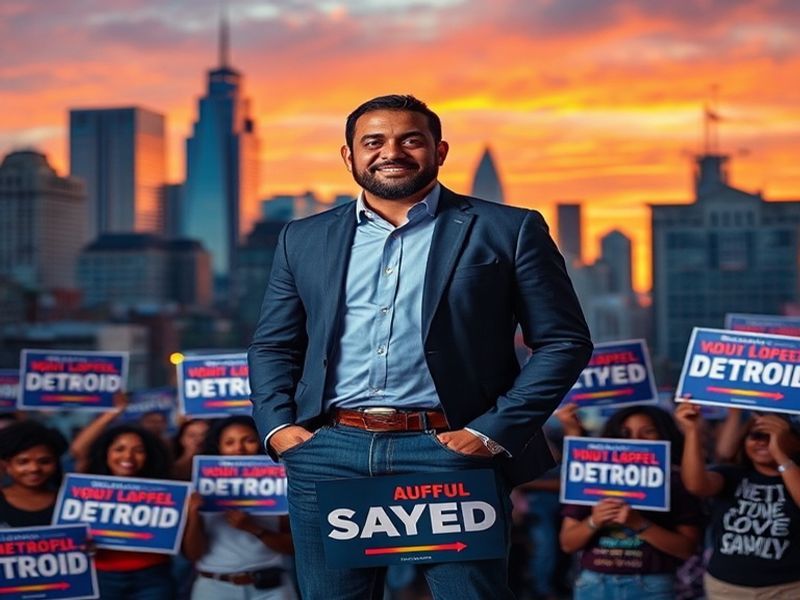
In 2018, El-Sayed ran for governor of Michigan, representing the Democratic Party. His campaign was characterized by a strong progressive platform that included universal healthcare, environmental sustainability, and education reform. He positioned himself as a candidate for the people, emphasizing grassroots support and community engagement.
Key points of his campaign included:
- Universal Healthcare: El-Sayed advocated for a single-payer healthcare system to ensure that every resident had access to medical services.
- Environmental Justice: He emphasized the importance of clean air and water, proposing policies to combat climate change and protect vulnerable communities.
- Education Reform: His vision included increased funding for public schools and making college more affordable for all students.
- Economic Equity: El-Sayed aimed to address income inequality through fair wages and support for local businesses.
Despite a strong campaign, El-Sayed faced challenges in the Democratic primary, ultimately losing to Gretchen Whitmer. However, his candidacy sparked important conversations about progressive values within the party and the need for bold solutions to pressing issues.
Broader Implications and Future Prospects
El-Sayed’s political journey raises important questions about the future of progressive politics in America. His emphasis on public health and social justice reflects a growing recognition of the interconnectedness of these issues. As the nation grapples with the ongoing impacts of the COVID-19 pandemic, leaders like El-Sayed are crucial in advocating for comprehensive health policies that address systemic inequities.
The response to El-Sayed’s campaign suggests that there is a significant appetite for change among voters. His ability to mobilize young people and engage diverse communities demonstrates the potential for progressive candidates to reshape the political landscape. As he continues to advocate for his vision, it will be essential to monitor how his ideas influence future elections and policy discussions.
In conclusion, Abdul El-Sayed represents a new wave of political leadership that prioritizes health equity and social justice. His journey from medicine to politics is a testament to the power of expertise in shaping policy. As he continues to engage with communities and advocate for transformative change, his impact on American politics may only be beginning. For more insights into political trends and analysis, visit our Politics and News categories.