kharg island
“`html
Kharg Island: Iran’s Strategic Oil Hub in the Persian Gulf
Kharg Island, a small but strategically vital landmass in the Persian Gulf, has long played a crucial role in Iran’s energy infrastructure and regional geopolitics. Often overshadowed by larger conflicts or economic crises, this unassuming island carries immense strategic importance due to its oil export facilities and unique geographical position. Despite its relatively low profile in global media, Kharg Island remains a linchpin in the flow of hydrocarbons from the Middle East to international markets.
The island’s significance extends beyond mere infrastructure. It sits approximately 35 kilometers off Iran’s southwestern coast, near the mouth of the Gulf, making it a critical chokepoint for maritime oil shipments. Its deep-water port and extensive storage tanks have made it a primary loading zone for Iranian crude, particularly during periods of heightened regional tensions or sanctions. Understanding Kharg Island requires examining its historical development, its role in global oil markets, and the broader implications of its continued operation amid shifting geopolitical sands.
The Historical and Strategic Evolution of Kharg Island
Kharg Island’s strategic value was not always so pronounced. Historically, it served as a minor trading post and fishing hub, with little international attention. However, the discovery of vast oil reserves in southwestern Iran during the early 20th century transformed its fortunes. By the 1950s, Iran began developing Kharg Island as a key export terminal, leveraging its deep waters to accommodate large oil tankers that could not access shallower ports on the mainland.
The island’s importance surged further during the Iran-Iraq War (1980-1988). As Iraqi forces targeted Iranian oil facilities on the mainland, Kharg Island became even more critical as a secure alternative for exporting crude. The Iranian military fortified the island, turning it into a bastion of resistance while maintaining its economic lifeline. Today, the remnants of this era—such as anti-aircraft batteries and missile silos—serve as silent reminders of the island’s resilience during one of the most brutal conflicts in modern Middle Eastern history.
Key Facilities and Infrastructure on Kharg Island
The island’s oil infrastructure is a marvel of engineering, designed to handle millions of barrels of crude annually. Among its most notable features are:
- Kharg Terminal: The primary loading facility, capable of accommodating Very Large Crude Carriers (VLCCs) and Ultra Large Crude Carriers (ULCCs). Its deep-water berths allow for uninterrupted operations regardless of tidal fluctuations.
- Storage Tanks: A network of massive storage tanks, with a combined capacity exceeding 5 million barrels, ensures a steady supply of oil for export even during disruptions.
- Offshore Pipelines: Subsea pipelines connect Kharg Island to Iran’s vast onshore oilfields, including the Ahvaz and Gachsaran fields, facilitating the efficient transport of crude.
- Military and Security Installations: Given its strategic value, the island hosts robust military infrastructure, including radar systems, anti-ship missile batteries, and a garrison to deter potential threats.
These facilities are not just economic assets; they are symbols of Iran’s determination to maintain energy independence and sovereignty over its resources. The island’s isolation in the Persian Gulf also makes it a challenging target for sabotage or cyberattacks, further enhancing its security profile.
Kharg Island in the Global Oil Market: A Pivotal Player
Kharg Island’s role in the global oil market cannot be overstated. As the primary export terminal for Iranian crude, it has become a focal point during periods of geopolitical tension, sanctions, or shifts in OPEC policy. During the 2010s, when international sanctions severely restricted Iran’s oil exports, Kharg Island remained operational, albeit at reduced capacity, due to its fortified infrastructure and the Iranian government’s commitment to maintaining oil flow.
In 2018, when the U.S. reimposed sanctions following its withdrawal from the Joint Comprehensive Plan of Action (JCPOA), Kharg Island once again became a symbol of Iran’s resilience. Despite efforts by the U.S. to cut off Iranian oil exports, the island continued to load tankers, often using “shadow fleets” of aging ships and complex shipping routes to evade detection. This cat-and-mouse game highlighted Kharg Island’s role as a linchpin in Iran’s efforts to bypass sanctions and sustain its oil industry.
The island’s strategic location also makes it a chokepoint for regional oil shipments. The Strait of Hormuz, through which much of the world’s oil passes, is just 35 kilometers from Kharg Island. While the strait itself is the primary maritime chokepoint, Kharg Island’s proximity to it ensures that any disruption in the strait—whether due to military conflict, piracy, or political maneuvering—would have immediate and severe consequences for global oil markets. This proximity has made Kharg Island a critical node in the global energy supply chain, with its stability directly impacting oil prices and energy security worldwide.
The Broader Implications: Geopolitics, Energy Security, and Environmental Concerns
The continued operation of Kharg Island carries significant geopolitical and environmental implications. On the geopolitical front, the island remains a flashpoint in the ongoing rivalry between Iran and its regional adversaries, particularly Saudi Arabia and the United States. Iran’s ability to maintain oil exports from Kharg Island despite sanctions has emboldened its foreign policy, allowing it to fund proxy groups and assert influence across the Middle East. Conversely, the U.S. and its allies have sought to undermine this capability through sanctions, cyberattacks, and diplomatic pressure, creating a delicate balance of power in the region.
Environmental concerns also loom large over Kharg Island. The island’s oil infrastructure, while a cornerstone of Iran’s economy, poses significant risks to the Persian Gulf’s fragile marine ecosystem. Oil spills, though infrequent, could have devastating consequences for the region’s biodiversity, including coral reefs and endangered species such as the hawksbill turtle. Additionally, the island’s refineries and storage tanks emit pollutants that contribute to air and water degradation. As climate change and environmental degradation become increasingly urgent global issues, the sustainability of Kharg Island’s operations may come under greater scrutiny.
Another critical consideration is the potential for Kharg Island to become a target in future conflicts. The island’s strategic value makes it a high-priority military objective, and any escalation in tensions—whether between Iran and Israel, Iran and the U.S., or Iran and Gulf Cooperation Council (GCC) states—could lead to attacks on its infrastructure. Such a scenario would not only disrupt global oil supplies but could also trigger a broader regional conflict, with far-reaching consequences for energy markets and international relations.
Looking Ahead: The Future of Kharg Island
The future of Kharg Island is shrouded in uncertainty, shaped by a confluence of economic, geopolitical, and environmental factors. One possible trajectory is the continued modernization of its infrastructure to enhance efficiency and security. Iran has invested in upgrading its oil terminals and storage facilities, and there have been discussions about expanding the island’s role in liquefied natural gas (LNG) exports. Such developments could diversify the island’s economic contributions and reduce its reliance solely on crude oil exports.
However, the path forward is fraught with challenges. The global shift toward renewable energy sources and decarbonization efforts may reduce long-term demand for Iranian oil, forcing the country to rethink its reliance on Kharg Island. Additionally, the ongoing rivalry between Iran and Western powers, as well as tensions with regional neighbors, could escalate into direct conflict, jeopardizing the island’s stability. Environmental pressures, including the risk of oil spills and the impact of climate change on the Persian Gulf, further complicate the island’s future.
Ultimately, Kharg Island’s fate will be determined by Iran’s ability to navigate these challenges while maintaining its energy independence. For the global oil market, the island’s stability will remain a critical factor in ensuring energy security. As the world transitions toward cleaner energy sources, Kharg Island may need to reinvent itself—or risk becoming a relic of a bygone era in the energy industry.
Conclusion
Kharg Island is more than just a dot on the map in the Persian Gulf; it is a strategic asset, a symbol of resilience, and a critical node in the global energy supply chain. Its history is intertwined with Iran’s struggle for energy independence, its infrastructure with the global oil market, and its future with the broader geopolitical and environmental challenges facing the Middle East. As the world grapples with the dual crises of energy security and climate change, Kharg Island stands at a crossroads. Its ability to adapt and evolve will determine not only its own fate but also the stability of the Persian Gulf and the global oil market.
—
METADATA
{
“title”: “Kharg Island: Iran’s Strategic Oil Hub in the Persian Gulf Explained”,
“metaDescription”: “Explore Kharg Island’s role as Iran’s key oil export terminal and its strategic importance amid geopolitical tensions and sanctions.”,
“categories”: [“Analysis”, “Travel”],
“tags”: [“Kharg Island”, “Iran oil exports”, “Persian Gulf energy”, “Strait of Hormuz”, “Middle East geopolitics”],
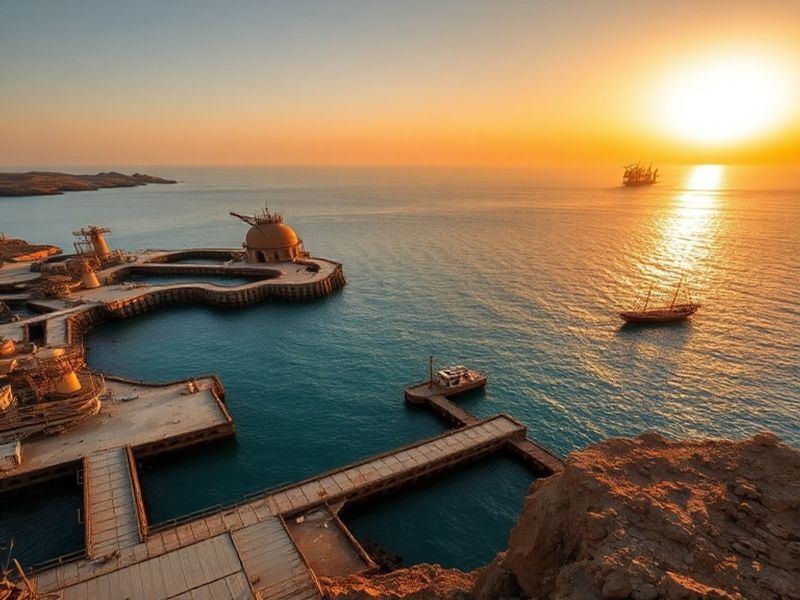
“imageDescription”: “Aerial view of Kharg Island showing oil terminals, storage tanks, and military installations against the backdrop of the Persian Gulf. The image captures the island’s rugged terrain, deep-water port, and the vast network of infrastructure that underscores its strategic importance.”
}
—END METADATA—
“`