March Madness: The Heartbeat of College Basketball
“`html
March Madness: The Heartbeat of College Basketball
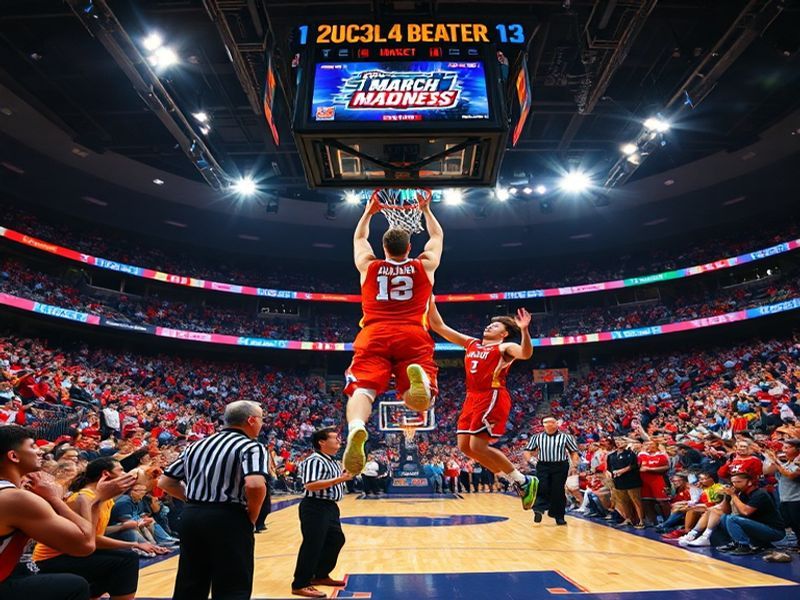
Every spring, college basketball transforms into a spectacle unlike any other in sports. The NCAA Division I Men’s Basketball Tournament, affectionately known as March Madness, captivates millions with its single-elimination format, underdog stories, and unforgettable buzzer-beaters. This isn’t just a tournament; it’s a cultural event that bridges sports, education, and entertainment in ways few other competitions can.
The madness begins with Selection Sunday, when the 68-team field is unveiled. Fans dissect the bracket, debate snubs, and predict upsets. The tournament’s structure ensures drama from day one—no team is safe, no game meaningless. From the First Four to the Final Four, every matchup carries weight, making March Madness a proving ground for players, coaches, and programs alike.
The History and Evolution of March Madness
March Madness traces its roots to 1939, when the first NCAA Tournament was held with just eight teams. Organized by the National Association of Basketball Coaches, the event was designed to crown a national champion in a sport still finding its footing. The early decades were dominated by powerhouse programs like Kentucky and UCLA, which set the standard for excellence.
By the 1980s, the tournament had expanded to 64 teams, introducing the modern era of bracketology and office pools. The addition of the three-point line in 1986 further transformed the game, giving rise to sharpshooters and unpredictable outcomes. Today, the tournament includes 68 teams, with four play-in games and a field that spans the country, from powerhouses like Duke and Kansas to mid-majors like Saint Peter’s and Oral Roberts.
The tournament’s name itself has an interesting origin. The term “March Madness” was popularized in the 1980s by CBS broadcaster Brent Musburger, who borrowed it from an Illinois high school basketball tournament. The phrase perfectly captured the frenetic energy of the event—a whirlwind of upsets, Cinderella stories, and last-second heroics.
The Anatomy of a Cinderella Story
Few things in sports rival the magic of a Cinderella run in March Madness. These underdog tales define the tournament’s spirit, proving that anything can happen when David faces Goliath on the hardwood. The most famous example remains the 1985 Villanova Wildcats, who entered the tournament as an eighth seed and defeated Georgetown in the championship game. Their precision shooting and unrelenting defense remain a blueprint for future upsets.
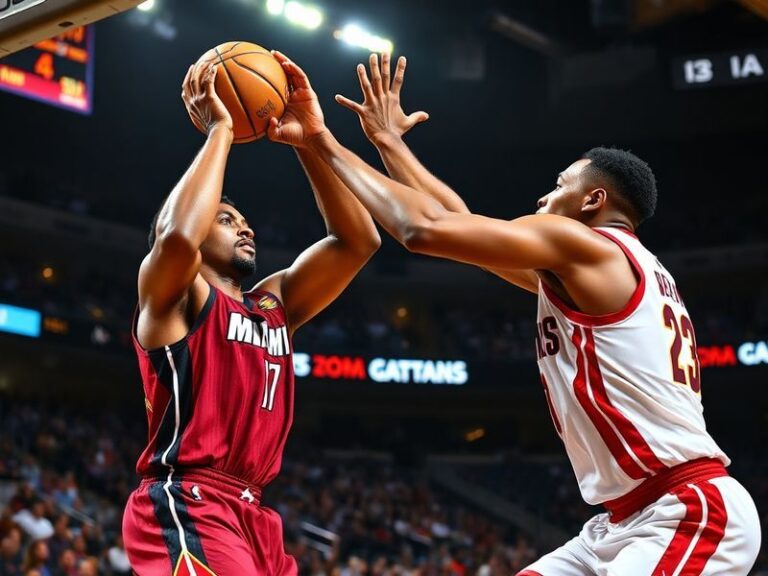
More recently, the 2018 Loyola-Chicago Ramblers captured the nation’s attention. As a 11th seed, they reached the Final Four, captivating fans with their team-first mentality and charismatic leader, Sister Jean Dolores-Schmidt, the team’s 98-year-old chaplain. Their run included a thrilling win over Miami in the First Round, a moment that sent shockwaves through the bracket.
What makes these runs possible? Several factors contribute to the phenomenon:
- Single-elimination format: One loss and you’re out, amplifying pressure and intensity.
- Short tournament window: Teams have just a few days to prepare for each opponent, leaving little margin for error.
- Mid-major programs: Schools from smaller conferences often rely on cohesive play and sharpshooting to compete with blue-blood programs.
- Coaching decisions: Coaches like Gregg Marshall (Wichita State) and Shaka Smart (VCU) have built reputations by mastering the art of the upset.
The 2023 tournament saw Oral Roberts, a No. 12 seed, reach the Sweet 16. Their victory over Ohio State and Florida in the first two rounds sent brackets into chaos, reminding everyone why March Madness is so unpredictable.
The Business and Cultural Impact
Beyond the court, March Madness is a multi-billion-dollar industry. The NCAA generates over $1 billion annually from tournament broadcast rights, sponsorships, and merchandise. CBS and Turner Sports pay nearly $800 million per year to air the tournament, a deal that underscores its value to networks and advertisers alike.
The economic ripple effect is staggering. Host cities see a surge in tourism, with hotels, restaurants, and local businesses benefiting from thousands of visitors. For example, when Minneapolis hosted the 2022 tournament, local businesses reported a 20% increase in revenue during the event. The Final Four alone generates an estimated $500 million for the host city, proving that sports can be a powerful economic driver.
Culturally, the tournament has become a shared experience. Office pools, watch parties, and bracket challenges unite friends, families, and coworkers in a collective frenzy. Social media amplifies the drama, with fans debating every call, tweet, and upset in real time. Brands like Nike, Coca-Cola, and Capital One have built entire campaigns around March Madness, tapping into its emotional resonance.
The tournament also serves as a stage for athletes to launch their careers. Stars like Zion Williamson, Kemba Walker, and Jalen Brunson used March Madness to elevate their profiles before entering the NBA Draft. Their performances often become defining moments in their draft stories, proving the tournament’s role as a launching pad for future pros.
For students and alumni, the tournament is a point of pride. Schools like Gonzaga and Butler have leveraged their success in March Madness to boost enrollment, donations, and national visibility. The Gonzaga Bulldogs, for instance, saw a 20% increase in applications after their 2017 Final Four run.
What’s Next for March Madness
The future of March Madness is as dynamic as the tournament itself. Expansion is a hot topic, with some advocating for a 96-team field to include more mid-major programs. The NCAA has also explored adding more neutral-site games and regional rounds to enhance fan engagement and reduce travel for top seeds.
Technology is reshaping how fans experience the tournament. Virtual reality broadcasts, augmented reality stats, and interactive bracket apps are making the event more immersive. The NCAA’s partnership with platforms like ESPN and March Madness Live ensures that fans can follow every game, highlight, and upset in real time.
Sustainability is another growing focus. The NCAA has committed to reducing the tournament’s environmental footprint, implementing initiatives like composting, recycling, and carbon offset programs in host cities. These efforts reflect a broader trend in sports toward eco-consciousness.
The tournament’s social impact is also evolving. Programs like the NCAA’s “Final Four Impact” initiative use the event to promote education, health, and community service. Players and coaches are increasingly using their platform to address social issues, from mental health to racial justice, adding depth to the tournament’s legacy.
As we look ahead, one thing is certain: March Madness will continue to captivate, inspire, and surprise. Whether it’s a buzzer-beater in the Sweet 16 or a mid-major school defying the odds, the tournament’s magic lies in its unpredictability. It’s a celebration of athleticism, strategy, and sheer willpower—a reminder that in basketball, as in life, anything is possible.
For fans, the madness never ends. It’s a cycle of anticipation, heartbreak, and triumph that renews every March. And as long as there are underdogs, last-second shots, and brackets to fill out, the madness will live on.
Interested in more sports analysis? Check out our News and Sports sections for in-depth coverage of the latest trends and stories.