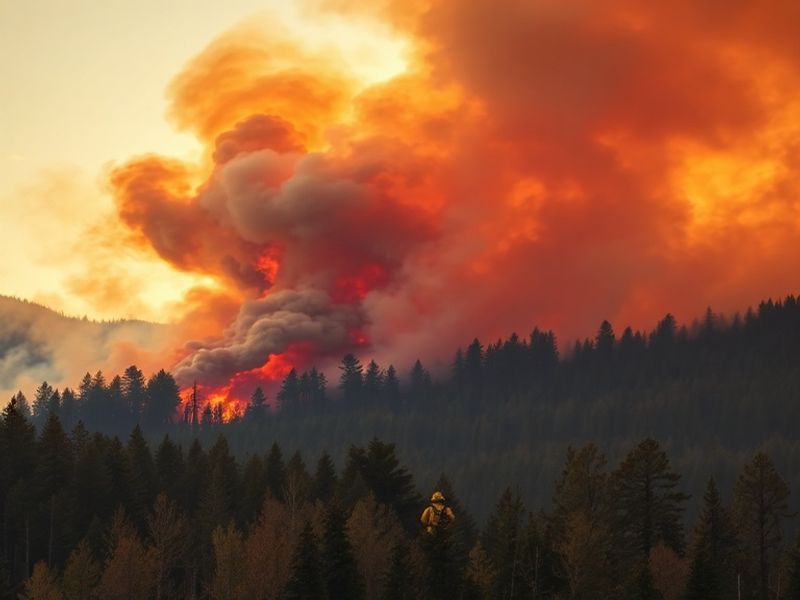
The 2023 Ontario fire season was one of the most severe in recent memory, leaving a trail of destruction across vast stretches of the province. Over 1,000 wildfires scorched more than 1.5 million hectares, forcing thousands of residents to evacuate and straining firefighting resources to unprecedented levels. While fire is a natural part of many ecosystems, the scale and intensity of these blazes have raised concerns about climate change, land management, and emergency preparedness.
The fires were not isolated incidents but part of a broader trend. Over the past decade, Ontario has seen a steady increase in both the number and severity of wildfires, with longer fire seasons and more extreme weather conditions playing a significant role. This shift has prompted experts to reassess how the province prepares for and responds to such disasters.
Causes and Contributing Factors
The 2023 Ontario fire season was fueled by a combination of natural and human-made factors. Prolonged drought conditions dried out vegetation, turning forests into tinderboxes. Record-breaking temperatures, particularly in northern regions, further exacerbated the risk. While lightning strikes accounted for a significant portion of the ignitions, human activity—such as unattended campfires and discarded cigarettes—also played a role.
Climate change remains the most pressing long-term factor. Rising global temperatures have led to hotter, drier summers, increasing the likelihood of large-scale wildfires. According to Dave’s Locker Science archives, research indicates that Ontario’s fire season now starts earlier and lasts longer than it did just a few decades ago. This trend aligns with similar patterns observed in other parts of Canada and the western United States.
Land management practices also contribute to the problem. Decades of fire suppression have led to dense, overgrown forests that are highly susceptible to catastrophic fires. Indigenous communities and some environmental groups have long advocated for controlled burns as a way to reduce fuel loads and restore ecological balance. However, implementing such strategies on a large scale remains a challenge.
Key Contributing Factors to Ontario’s Fire Season
- Climate Change: Warmer temperatures and prolonged droughts create ideal conditions for wildfires.
- Human Activity: Unattended campfires, arson, and equipment sparks account for a significant number of ignitions.
- Forest Density: Decades of fire suppression have led to overgrown forests with excessive fuel loads.
- Lightning Strikes: Natural causes remain a major ignition source, particularly in remote areas.
The Human and Economic Toll
The impact of Ontario’s fires extended far beyond the charred landscapes. Entire communities faced evacuation orders, with some residents displaced for months. Indigenous communities, in particular, were hit hard, as many rely on traditional lands for hunting, fishing, and cultural practices. The fires disrupted local economies, particularly in tourism-dependent regions where smoke and closures deterred visitors.
The financial burden was staggering. Firefighting efforts cost the province hundreds of millions of dollars, while the damage to infrastructure, homes, and businesses added billions more. Insurance claims from affected homeowners surged, highlighting the vulnerability of communities in fire-prone areas. Small businesses, already struggling in the post-pandemic economy, faced additional hardships as smoke and evacuation orders kept customers away.
Health impacts were another major concern. The thick smoke from the fires blanketed cities and towns, leading to a spike in respiratory issues. Hospitals reported an increase in emergency room visits, particularly among children and the elderly. Long-term exposure to wildfire smoke has been linked to chronic health conditions, raising concerns about future public health crises.
Response and Future Preparedness
In response to the crisis, provincial and federal agencies ramped up their firefighting efforts. Thousands of firefighters, including personnel from other provinces and international partners, were deployed to combat the blazes. The use of water bombers, drones, and advanced weather modeling helped contain some of the larger fires, but the scale of the disaster stretched resources thin.
Looking ahead, experts emphasize the need for a more proactive approach to fire management. This includes investing in early detection systems, such as satellite monitoring and AI-driven predictive modeling. Expanding controlled burn programs could also reduce the risk of catastrophic fires by thinning out dense forests and promoting healthier ecosystems.
Community preparedness is equally critical. Residents in fire-prone areas are being encouraged to create defensible spaces around their homes, clear vegetation, and develop emergency evacuation plans. Indigenous communities have long used traditional knowledge to manage fire risks, and integrating these practices into modern fire management strategies could yield significant benefits.
The federal government has also pledged increased funding for wildfire research and prevention. However, critics argue that more needs to be done to address the root causes of the problem, particularly climate change. Without meaningful action to reduce greenhouse gas emissions, the frequency and severity of wildfires are likely to worsen.
Lessons Learned and Moving Forward
The 2023 Ontario fire season serves as a stark reminder of the growing threat posed by wildfires. While the immediate focus remains on recovery and rebuilding, the disaster has also sparked important conversations about long-term solutions. From climate adaptation to forest management, the challenges are complex, but the stakes could not be higher.
One of the most critical takeaways is the need for collaboration. Governments, Indigenous communities, scientists, and local residents must work together to develop sustainable fire management strategies. This includes not only fighting fires but also preventing them through proactive measures.
As Ontario and other regions grapple with the realities of a changing climate, the lessons from this fire season will shape future policies and preparedness efforts. The goal is not just to survive the next wildfire season but to build resilience for the decades to come.
For those interested in the broader implications of wildfires and climate change, Dave’s Locker News offers in-depth coverage of environmental trends and their societal impacts.