Pokémon Champions Release: How New Game Reshapes Competitive Play
“`html
Pokémon Champions Release Marks New Era for Competitive Play
The release of Pokémon Champions has arrived, bringing with it a wave of anticipation among competitive players and casual fans alike. Developed by GameFreak and published by Nintendo, this latest entry in the Pokémon series promises to redefine what it means to climb the ranks in the Pokémon Championship Series. With fresh mechanics, expanded rosters, and refined balancing, the game arrives at a pivotal moment for the franchise’s competitive scene.
The timing couldn’t be more strategic. After years of incremental updates in mainline Pokémon games, fans have grown accustomed to incremental changes rather than bold reinventions. Pokémon Champions, however, appears to deliver both. The game introduces a revamped battle system, new Pokémon forms, and an overhauled ranking ladder that aims to address long-standing frustrations about grind-heavy progression. Early reviews from players and content creators suggest that the developers have listened to the competitive community’s feedback, incorporating feedback from tournaments and ladder climbers into the final product.
What’s New in Pokémon Champions?
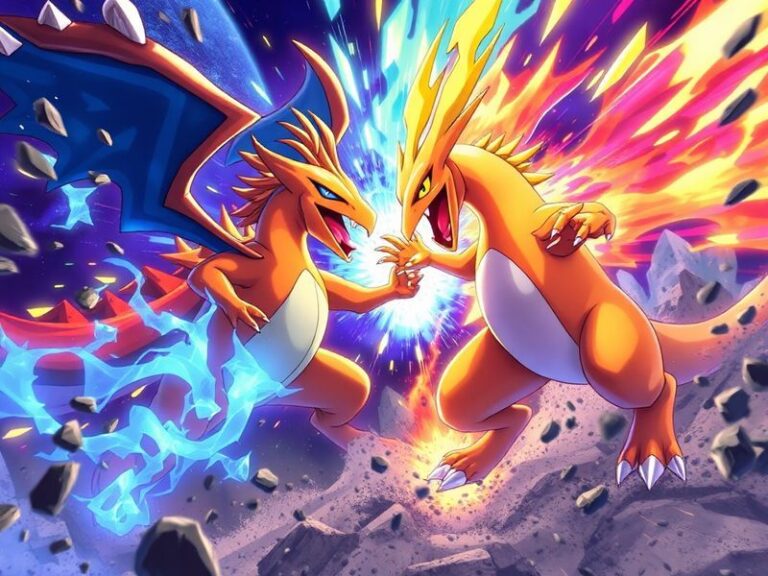
The most striking addition in Pokémon Champions is the Dynamic Battle System. Unlike previous entries, where battles followed a rigid turn-based structure, this system introduces real-time decision-making elements that reward adaptability. Players must now consider not just type matchups but also timing and positioning, adding a layer of depth that aligns more closely with games like Pokkén Tournament or traditional fighting titles.
The roster has also expanded significantly, with 40 new Pokémon joining the competitive pool. This includes regional variants of familiar faces as well as entirely new creatures designed with the meta in mind. One standout is Flutter Mane, a Ghost/Fairy type that has already sparked early debates about its viability in the highest tiers of play. The inclusion of Mega Evolutions—returning after their absence in Pokémon Scarlet and Violet—has further fueled speculation about future tournament legality.
Another key feature is the Adaptive Ranked Ladder. Instead of a static Elo-based system, the game now adjusts matchmaking based on player performance trends, aiming to reduce the frustration of facing opponents with vastly different skill levels. The ladder also introduces Seasonal Splits, which reset every three months and award exclusive cosmetic rewards to top performers. This approach mirrors the structure of games like League of Legends and Valorant, where competitive seasons create a sense of urgency and renewal.
Key Features of Pokémon Champions
- Dynamic Battle System: Real-time elements and adaptive mechanics that reward quick thinking.
- Expanded Roster: 40 new Pokémon, including regional variants and returning Mega Evolutions.
- Adaptive Ranked Ladder: Performance-based matchmaking and seasonal resets with exclusive rewards.
- Co-op Battle Mode: A new 2v2 format that encourages teamwork and strategy.
- Customizable Training Dummies: Tools for players to practice against AI opponents with tailored movesets.
The Competitive Scene’s Reaction
The announcement of Pokémon Champions was met with cautious optimism from the competitive community. Longtime players have expressed relief that the game addresses several pain points from Scarlet and Violet, particularly the online instability and lack of meaningful progression in ranked modes. The return of Mega Evolutions, a fan-favorite mechanic, has also generated excitement, though concerns remain about how they will be balanced in high-level play.
Early tournament results from closed beta tests have been mixed. While some players praise the improved mechanics and fresh meta, others argue that the Dynamic Battle System introduces unnecessary complexity, potentially alienating newer or casual players. The introduction of new Pokémon has also led to debates about power creep, with some veterans worrying that the expanded roster will make it harder for traditional teams to compete.
Despite these concerns, the game’s emphasis on adaptability has resonated with a younger generation of players who grew up with faster-paced competitive games. Twitch streamers and content creators have already begun experimenting with unorthodox strategies, from aggressive early-game pressure to late-stage set-up sweepers. This shift in playstyle could signal a broader evolution in how Pokémon is played at the highest levels.
Broader Implications for the Pokémon Franchise
Pokémon Champions arrives at a critical juncture for the franchise. Sales of Scarlet and Violet were strong but marred by technical issues and player backlash over its perceived lack of depth. While Nintendo and GameFreak have since committed to improving online infrastructure and content updates, the success of Pokémon Champions will be closely scrutinized as a litmus test for the series’ future direction.
For competitive players, the game represents an opportunity to revitalize a scene that has struggled with stagnation. The Pokémon World Championships, held annually since 2004, have seen declining viewership in recent years, partly due to the repetitive nature of matches in Sword and Shield. If Pokémon Champions succeeds in attracting new talent and freshening up the meta, it could help reverse this trend and bring renewed energy to the esports side of the franchise.
The game’s co-op battle mode also hints at a broader push toward social features. In an era where multiplayer games increasingly emphasize community and shared experiences, this addition could help Pokémon Champions stand out as more than just a competitive title. It may appeal to families, friends, and content creators looking for fresh ways to engage with the Pokémon universe.
From a business perspective, Pokémon Champions serves as a reminder of the franchise’s enduring appeal. Even as Nintendo diversifies its portfolio with titles like The Legend of Zelda: Tears of the Kingdom and Super Mario Bros. Wonder, Pokémon remains a cornerstone of its revenue and cultural relevance. The game’s launch is timed strategically ahead of the holiday season, ensuring maximum visibility and sales momentum.
What Comes Next?
The road ahead for Pokémon Champions will likely be defined by its community reception and the developers’ willingness to iterate. If the game’s adaptive systems prove too complex for the average player, we may see patches that dial back some of the real-time elements. Conversely, if the meta becomes too rigid, the developers could introduce new Pokémon or mechanics to shake things up.
For now, players are diving in, testing the waters, and sharing their findings across forums, social media, and streaming platforms. The competitive scene, in particular, will be watching closely to see which strategies rise to the top and how the game’s systems evolve over time. One thing is certain: Pokémon Champions has already made its mark by proving that the franchise is capable of change—and that the community’s voice matters.
As the first major competitive Pokémon title in years, Pokémon Champions isn’t just another game. It’s a statement. Whether that statement will resonate with players for years to come remains to be seen, but for now, the Pokémon universe is undeniably evolving.