Understanding May Bank Holidays
May bank holidays are significant dates in the calendar year, providing a much-needed break for workers and families alike. These holidays are often associated with the arrival of spring, longer days, and various outdoor activities. In many countries, including the United Kingdom, these holidays are officially recognized, allowing individuals to take time off work to relax, celebrate, or participate in community events.
Types of May Bank Holidays
In the UK, there are typically two major bank holidays in May: Early May Bank Holiday and Spring Bank Holiday. Each serves a unique purpose and is celebrated differently across various regions.
- Early May Bank Holiday: This holiday occurs on the first Monday of May. It was established in 1978 to celebrate International Workers’ Day and is often marked by various local events, including parades and festivals.
- Spring Bank Holiday: Celebrated on the last Monday of May, this holiday provides an opportunity for families to enjoy the spring weather. It is a time for outdoor activities, gardening, and community gatherings.
Celebrations and Events
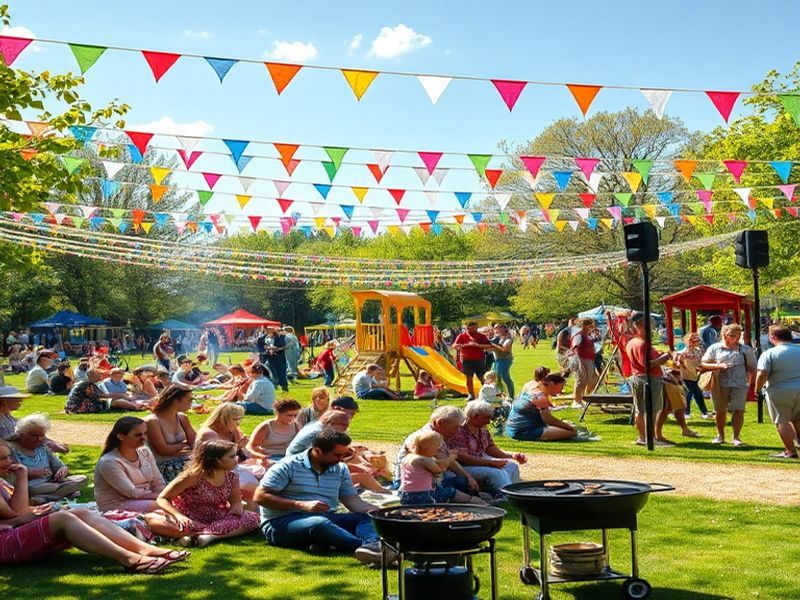
May bank holidays often feature a range of events across the country. Communities come together to celebrate through various activities that reflect local culture and traditions. Here are some common ways people celebrate:
- Festivals: Many towns organize spring festivals, showcasing local crafts, food, and music.
- Outdoor Activities: Families often take advantage of the warmer weather to go hiking, picnicking, or visiting parks.
- Charity Events: Numerous charitable organizations host events during these holidays, promoting community spirit and support.
These activities not only provide entertainment but also foster a sense of community and belonging. They allow individuals to engage with their neighbors and celebrate the arrival of spring together.
The Economic Impact of May Bank Holidays
May bank holidays also have a significant economic impact. The time off work can lead to increased consumer spending, which benefits local businesses. Restaurants, retail shops, and tourism-related industries often see a boost during this period. Here are a few key points regarding the economic implications:
- Increased Tourism: Many people take advantage of the long weekends to travel, leading to an uptick in hotel bookings and tourist attractions.
- Retail Sales: Shops often hold special sales and promotions, enticing customers to spend money on products and services.
- Job Creation: Seasonal jobs may be created in hospitality and retail sectors to accommodate the increased demand during holiday weekends.
These holidays not only provide leisure for the workforce but also contribute positively to the economy, making them crucial for various sectors.
Conclusion
May bank holidays play an essential role in the lives of many individuals and communities. They provide an opportunity for relaxation, celebration, and economic activity. Understanding the significance of these holidays helps to appreciate the cultural and social fabric that they support. Whether through local festivals, outdoor activities, or community events, May bank holidays offer a chance to connect with others and enjoy the beauty of spring.
For more insights on seasonal events and cultural celebrations, visit our Culture and Trending pages.