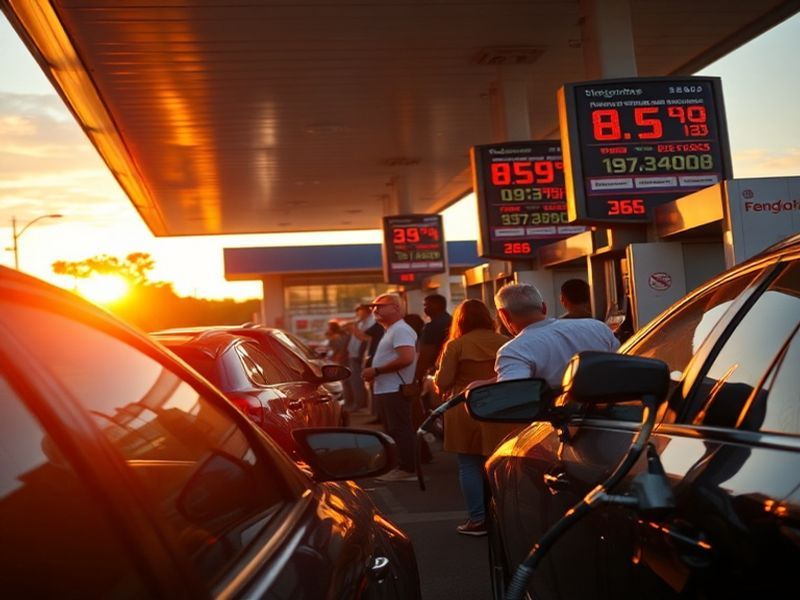
The Current State of Gas Prices Globally
Gas prices have become a focal point of discussion in many countries around the world. Fluctuations in prices can affect economies, influence political decisions, and alter consumer behavior. Understanding the factors that contribute to these variations is essential for grasping the broader economic picture.
As of late 2023, global gas prices have been influenced by several key factors, including geopolitical tensions, supply chain disruptions, and shifts in consumer demand. Countries that heavily rely on imported oil often feel the most significant impacts when prices change. For instance, nations in Europe have experienced varying gas prices due to their dependence on external sources, particularly in light of recent conflicts that have disrupted supply routes.
Factors Influencing Gas Prices
Several interconnected factors play a crucial role in determining gas prices. These include:
- Crude Oil Prices: The price of crude oil is the primary driver of gas prices. When crude oil prices rise, gas prices typically follow suit.
- Supply and Demand: Seasonal changes, economic growth, and consumer behavior can lead to fluctuations in supply and demand, affecting prices.
- Geopolitical Issues: Conflicts in oil-producing regions can create uncertainty, leading to price spikes.
- Refinery Capacity: Issues at refineries, such as maintenance or natural disasters, can lead to reduced supply and higher prices.
- Government Policies: Taxes, tariffs, and regulations can affect both the cost of production and the final price at the pump.
These factors illustrate a complex web of influences that can lead to sudden shifts in gas prices. For example, when tensions rise in the Middle East, global oil prices often increase due to fears of supply disruptions. Conversely, technological advancements in extraction methods, such as fracking, have led to lower costs in some regions, affecting global prices.
Regional Variations in Gas Prices
Gas prices can vary dramatically from one region to another. In the United States, prices are generally lower than in many European countries, largely due to differences in taxation and supply sources. In 2023, the average gas price in the U.S. hovered around $3.50 per gallon. In contrast, countries like Norway, with high taxes, can see prices exceeding $7.00 per gallon.
Some regions are more affected by external factors than others. For instance:
- Europe: Heavily reliant on imports, European countries often face higher prices due to logistical costs and tariffs.
- Middle East: Despite being oil-rich, local prices can vary based on government subsidies and internal demand.
- Asia: Countries like Japan and South Korea import nearly all their oil, making them vulnerable to global price fluctuations.
Understanding these regional differences is crucial for consumers and policymakers alike. In many cases, local economic conditions, such as income levels and public transportation availability, can also influence how gas prices impact daily life.
Future Trends in Gas Prices
Looking ahead, several trends may shape the future of gas prices. The transition to renewable energy sources is gaining momentum, which could alter the demand for fossil fuels. As electric vehicles become more popular, the demand for gasoline may decline, potentially leading to lower prices in the long term.
However, the road to a sustainable future is complex. Factors such as economic recovery post-pandemic, geopolitical tensions, and climate policies will all play significant roles in determining how quickly and effectively this transition occurs.
Furthermore, as countries strive to meet their climate goals, the pressure to reduce reliance on fossil fuels will intensify, creating a dual challenge for consumers and governments. Balancing the immediate needs of the population with long-term sustainability goals will be crucial for navigating this transition.
Conclusion
Gas prices are more than just numbers on a sign; they represent a multitude of economic, political, and social factors at play. As global dynamics shift, understanding these influences can help consumers and policymakers make informed decisions. The future of gas prices remains uncertain, but the interplay of technology, geopolitics, and consumer behavior will undoubtedly shape the energy landscape for years to come.
For more insights into related topics, you can explore our Business section or check out the News category for the latest updates.