Nashville SC’s Clash with América: A Global Showdown in CONCACAF Champions Cup
Major League Soccer’s Nashville SC faced a formidable challenge in the CONCACAF Champions Cup, locking horns with Mexico’s Club América in a high-stakes knockout round. The clash between the upstart U.S. side and the storied Mexican giants wasn’t just a soccer match—it was a cultural collision, a tactical duel, and a moment that underscored the growing ambitions of MLS on the continental stage.
Nashville, a city known for its music and Southern hospitality, found itself hosting one of the most anticipated fixtures in CONCACAF’s premier club competition. América, a powerhouse with a rich history and rabid fanbase, traveled to Geodis Park with expectations of dominance. What unfolded was a tightly contested affair, one that revealed the depth of Nashville’s growth and the unpredictable nature of modern football.
The Road to the Showdown: Nashville’s Rise and América’s Legacy
Nashville SC entered the CONCACAF Champions Cup as relative outsiders. Founded in 2018 and joining MLS in 2020, the club had quickly established itself as a competitive force in the U.S. soccer landscape. With a passionate fan culture, strong ownership, and a clear playing style, Nashville had become a team to watch—especially in continental competitions where underdogs often thrive.
Club América, by contrast, carries the weight of decades of dominance in Mexican football. With 14 league titles and seven CONCACAF Champions Cup trophies, El Águila is a global brand with a global following. Their arrival in Nashville was not just a sporting event; it was a cultural export, a reminder of soccer’s deep roots in Latin America and its expanding influence in the United States.
The contrast between the two clubs extended beyond trophies. América’s roster featured experienced international stars, including several capped for Mexico’s national team. Nashville, meanwhile, relied on a blend of young talent and seasoned professionals, many of whom had honed their craft in Europe or South America. This clash of philosophies—one rooted in tradition, the other in ambition—set the stage for an enthralling encounter.
Match Analysis: A Tactical Chess Match in Tennessee
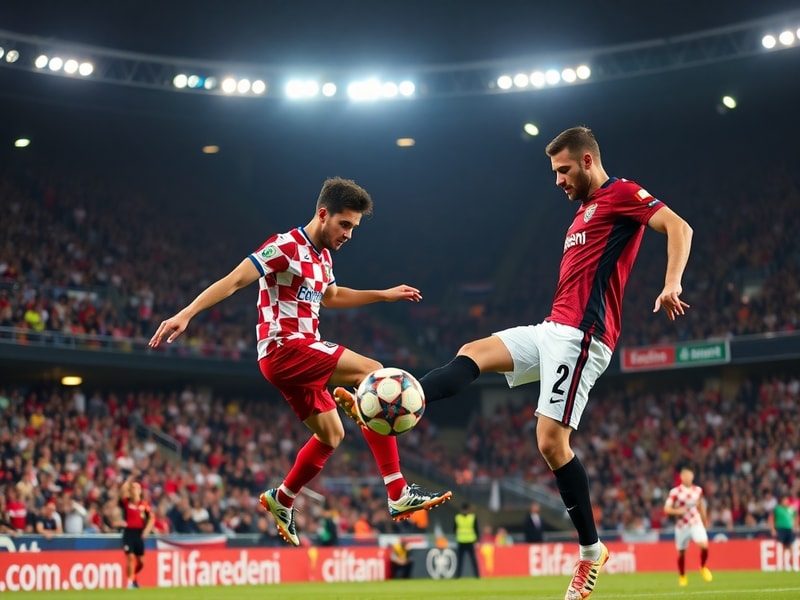
The match at Geodis Park was a masterclass in tactical nuance. América controlled possession early, probing Nashville’s defense with quick passing and positional rotations. The Mexican side’s wingers stretched the pitch, while their midfield dictated tempo with precision. Nashville, organized in a compact 4-4-2, absorbed pressure and looked to counter with speed and directness.
Key moments defined the game:
- Early América Pressure: Within the first 15 minutes, América nearly opened the scoring through a well-worked set piece, but Nashville’s goalkeeper made a crucial save.
- Nashville’s First Chance: A counterattack led by midfielder Hany Mukhtar tested América’s defense, though the final cross was cleared off the line.
- Controversial Penalty Call: In the second half, a handball in the box led to a penalty for América. The decision sparked debate among fans and pundits, highlighting the fine margins in high-stakes football.
- Late Nashville Resurgence: As the clock ticked past 80 minutes, Nashville pushed forward with urgency, nearly equalizing in stoppage time before América held on for a narrow victory.
The final score—1-0 to América—flattered the visitors slightly, but Nashville’s performance earned respect. The club’s ability to compete with a team of América’s caliber suggested that MLS teams are no longer content to be mere participants in CONCACAF; they are legitimate contenders with the potential to challenge for continental glory.
A Cultural Exchange: Soccer as a Bridge Between Nations
Beyond the scoreboard, the match was a cultural exchange. Geodis Park, typically a fortress for Nashville’s faithful, buzzed with energy as a significant contingent of Mexican supporters made the trip to Tennessee. The fusion of chants, the clash of jerseys, and the shared passion for the game created an electric atmosphere—one that transcended borders.
Soccer in the United States has long been a melting pot of cultures, and Nashville’s clash with América exemplified this reality. The match wasn’t just about two teams competing; it was about two fanbases—one rooted in Nashville’s burgeoning soccer culture, the other in América’s deep Latin American traditions—coming together in celebration of the sport.
This cultural interplay is increasingly common in CONCACAF competitions. As MLS continues to expand its reach, and as clubs from Central America and the Caribbean gain prominence, the Champions Cup is evolving into a true continental festival. Matches like Nashville vs. América are not just sporting events; they are cultural touchstones that highlight soccer’s power to unite diverse communities.
What’s Next for Nashville SC and CONCACAF Football?
The loss to América was a setback, but it was also a learning experience. For a club still in its formative years, competing against the best in CONCACAF is invaluable. The experience will shape Nashville’s ambitions, perhaps even motivating them to push harder in domestic and continental competitions.
For CONCACAF football, the match underscored the league’s growing competitiveness. While traditional powerhouses like América and Monterrey remain formidable, clubs from the U.S. and Canada are rapidly closing the gap. This shift could redefine the balance of power in the region, making CONCACAF one of the most unpredictable and exciting competitions in world football.
As the CONCACAF Champions Cup progresses, all eyes will be on whether MLS teams can go deeper into the tournament. If Nashville’s performance is any indication, the answer may very well be yes. The stage is set for more global showdowns, more cultural exchanges, and more moments that remind us why soccer is the world’s game.
For now, Nashville SC returns to MLS with lessons learned and ambitions sharpened. América, meanwhile, continues its quest for continental dominance. But in a competition as fluid and unpredictable as the Champions Cup, nothing is guaranteed—least of all the next chapter in this fascinating rivalry.