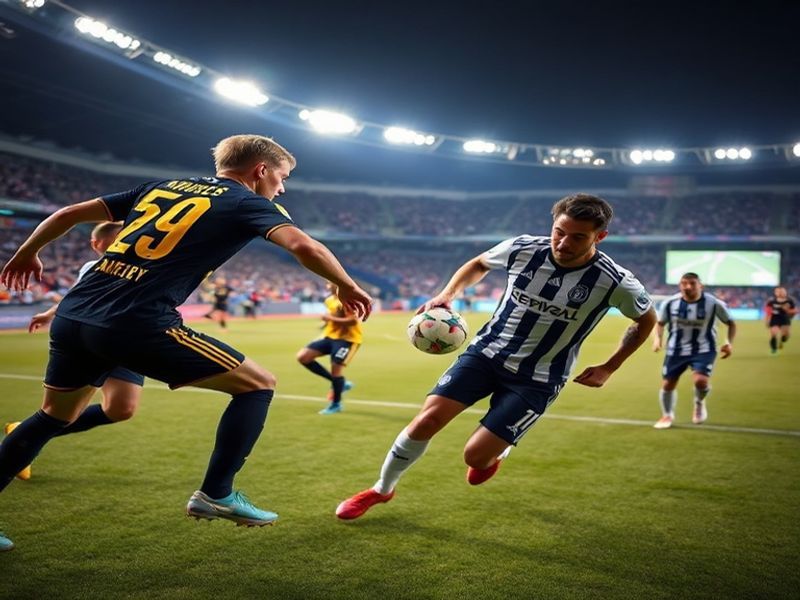
When Nashville SC and Club América stepped onto the field for their recent exhibition match, they represented more than just two soccer teams—they embodied distinct soccer cultures. The Tennessee-based MLS side, known for its high-energy pressing and youthful exuberance, faced off against the Mexican powerhouse, a club steeped in tradition and tactical discipline. This matchup wasn’t just about points; it was a collision of philosophies, a test of growth against established excellence.
The Rise of Nashville SC: From Expansion to Contention
Nashville SC joined Major League Soccer in 2020 as an expansion team, inheriting a city hungry for professional sports success. Under the leadership of head coach Gary Smith, the club quickly established itself as a competitive force. Known for their aggressive high press and reliance on young talent, Nashville built a reputation for resilience and ambition. Players like Hany Mukhtar and Walker Zimmerman became symbols of the club’s rise, transforming them from underdogs into a team capable of challenging even the league’s most storied franchises.
Their style of play—fast, physical, and relentless—reflects the city’s energetic vibe. Nashville’s fan culture, embodied by the passionate supporters in Section 102, adds another layer of intensity. The club’s growth has been organic, driven by local investment and a clear vision. Yet, for all their progress, they still seek the validation that comes from facing—and beating—international competition of the caliber of Club América.
A Tactical Showdown: Press vs Possession
The contrast between Nashville’s high-octane approach and América’s structured possession-based style created a fascinating tactical battle. Nashville thrived on quick transitions, using their midfielders to press aggressively and force turnovers. Their wingers stretched play, while their fullbacks pushed high to support attacks. It was a system built for speed and directness, a reflection of Smith’s background in the English game.
Club América, on the other hand, operated with a more deliberate rhythm. Their midfield trio—often featuring players like Richard Sánchez and Álvaro Fidalgo—prioritized ball retention and patient build-up. América’s fullbacks, such as Henry Martín and Julián Quiñones, stayed deeper, allowing them to counter effectively. The Mexican side’s experience in high-pressure situations showed, as they absorbed Nashville’s early bursts before exploiting gaps in transition.
In the end, América’s composure under pressure proved decisive. While Nashville kept the game open, América’s ability to control tempo and punish mistakes highlighted the gap between MLS regular-season form and international-level execution.
Club América: The Goliath with a Point to Prove
Club América is more than a soccer club; it’s an institution. Founded in 1916, the “Águilas” are one of Mexico’s most successful teams, with 14 league titles and a global fanbase. Their brand of soccer is polished, professional, and steeped in a winning mentality. América’s recent dominance in Liga MX—including multiple playoff appearances—has reaffirmed their status as Mexico’s team to beat.
But América’s ambitions extend beyond domestic success. The club has invested heavily in its academy and international friendlies, using these matches to test young talent and scout emerging markets. Facing Nashville was part of that strategy. América’s roster featured a mix of experienced veterans and rising stars, including Argentine midfielder Álvaro Fidalgo and Uruguayan forward Federico Viñas. Their depth and quality made them clear favorites on paper.
The Importance of International Friendlies
Exhibition matches like this one serve multiple purposes for clubs like América. Firstly, they provide a chance to integrate new signings or test tactical adjustments without the stakes of a league match. Secondly, they help expand the club’s global footprint, particularly in markets like the United States where soccer is growing rapidly. For Nashville, the game was a chance to measure themselves against a top-tier international opponent and gain exposure.
These matches also offer fans a glimpse of top-level soccer without the formality of a competitive fixture. The atmosphere at Geodis Park was electric, with over 30,000 fans in attendance, a testament to Nashville’s growing soccer culture. América’s supporters traveled in large numbers as well, adding to the spectacle.
Key Takeaways from the Match
The final score—América 2, Nashville 1—told only part of the story. While the result favored the visitors, the match revealed several critical insights about both teams’ trajectories.
- América’s Composure: Despite Nashville’s early pressure, América remained composed. Their midfield controlled the game’s tempo, and their ability to play out from the back frustrated Nashville’s press. The first goal, a well-worked team effort, showcased their tactical discipline.
- Nashville’s Potential: The home side showed flashes of brilliance, particularly in transition. Mukhtar’s performance was noteworthy, as he linked play effectively and created chances. However, their defensive vulnerabilities—especially in wide areas—were exposed by América’s wingers.
- Set-Piece Vulnerability: Both teams struggled with aerial duels, but América capitalized on a corner kick to score their second goal. Set pieces remain a critical area for improvement for Nashville, particularly against technically gifted opponents.
- Fan Engagement: The match underscored the passion of Nashville’s supporters. The club’s fan culture is a major asset, and events like this help solidify soccer’s place in Music City’s sporting landscape.
What’s Next for Both Clubs?
For Nashville SC, the game was a valuable learning experience. Playing against a team of América’s caliber exposes weaknesses and highlights areas for growth. The club’s young core will take confidence from their performance, but they’ll also return to MLS with a clearer understanding of the work ahead. Their focus should remain on consistency in the regular season, where they’ve already shown they can compete with the league’s best.
Club América, meanwhile, continues to build on their reputation as Mexico’s premier club. Their performance against Nashville reaffirmed their status as a team capable of competing at the highest levels. With a deep squad and a clear tactical identity, they’re well-positioned for another strong Liga MX campaign. Their next steps may include deeper runs in continental competitions like the CONCACAF Champions Cup, where they’ll face even stiffer competition.
For fans, this matchup was a reminder of soccer’s global nature. Whether it’s MLS teams testing themselves against international giants or Liga MX sides expanding their horizons, these games enrich the sport. They provide context, challenge assumptions, and—most importantly—entertain.
As Nashville SC continues its rise, they’ll look to translate their homegrown energy into sustained success. For América, the goal remains dominance both at home and abroad. One thing is certain: the next time these two teams meet, the stakes—and the storylines—will only grow.
For more on rising soccer teams and international competitions, visit our Sports and News categories.