Published:
What Happened in the Beltline Stabbing Case
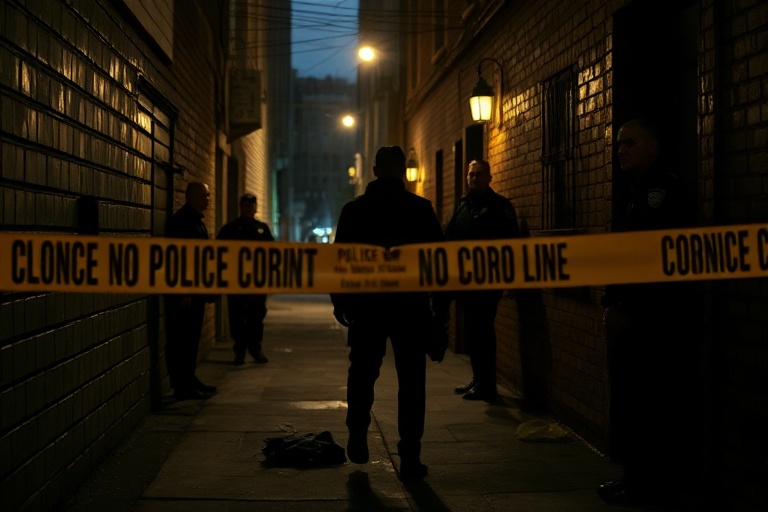
The quiet streets of Atlanta’s Beltline district were disrupted early Sunday morning when a stabbing incident left one person injured and sent shockwaves through the neighborhood. Around 2:30 a.m., authorities responded to a disturbance near the popular Eastside Trail, a bustling corridor known for its restaurants, art installations, and late-night foot traffic.
According to Atlanta Police Department reports, the victim, a 28-year-old man, was transported to a nearby hospital in stable condition. Police have not yet released the names of those involved, citing an ongoing investigation. Surveillance footage from nearby businesses captured portions of the altercation, though details remain scarce about the suspects or their motives.
Witnesses described a chaotic scene, with bystanders unsure of what triggered the violence. “It happened so fast,” said one nearby resident who requested anonymity. “One minute, people were walking, and the next, there was shouting and pushing.” The incident has raised concerns about safety in an area that has become a nightlife hub in recent years.
Broader Implications for Atlanta’s Beltline
The stabbing is the latest in a series of incidents that have drawn attention to the Beltline’s growing pains. Once hailed as a transformative urban renewal project, the Beltline has faced criticism in recent years over rising crime rates, gentrification pressures, and inadequate policing in high-traffic areas. This incident comes just weeks after a separate assault near Ponce City Market left another victim hospitalized.
Community leaders and residents have begun to question whether the Beltline’s rapid development has outpaced its ability to maintain safety. “This area is supposed to be a place where people come to relax and enjoy themselves,” said a local business owner. “But when incidents like this keep happening, it makes you wonder about the trade-offs of all this growth.”
Key Factors Contributing to Safety Concerns
- Increased foot traffic: The Beltline’s popularity has surged, with millions visiting annually. While tourism boosts the economy, it also strains local resources.
- Limited police presence: Despite the area’s high visibility, law enforcement has struggled to keep up with the volume of incidents.
- Gentrification tensions: Longtime residents and new arrivals often clash over cultural shifts, sometimes leading to friction.
- Alcohol and nightlife culture: The concentration of bars and late-night venues contributes to a higher risk of altercations.
What’s Next for the Investigation and the Beltline
As of now, the Atlanta Police Department has not made any arrests in connection with the stabbing. Authorities are reviewing security footage and interviewing witnesses, but progress has been slow. The lack of immediate answers has only fueled anxiety among residents and business owners who rely on the Beltline’s economic vitality.
In response to the incident, the Atlanta Beltline Partnership released a statement emphasizing their commitment to safety. “We are working closely with law enforcement and local organizations to address these concerns,” the statement read. “The Beltline remains a vital part of our city, and we are dedicated to ensuring it remains a welcoming space for everyone.”
Meanwhile, some residents are calling for more visible policing, better lighting, and stricter regulations on late-night establishments. Others argue that the solution lies in community engagement, such as neighborhood watch programs and conflict resolution initiatives. The debate over how to balance growth with safety is far from over.
Why This Incident Matters Beyond Atlanta
The Beltline stabbing is a microcosm of a larger trend playing out in cities across the U.S. As urban areas invest in walkable, mixed-use developments, they often face unintended consequences: overcrowding, strain on infrastructure, and safety challenges. Atlanta’s experience offers lessons for other cities grappling with similar issues.
For example, New York’s High Line and Chicago’s 606 Trail have both encountered criticism over rising crime rates in once-neglected areas. The key difference, some urban planners argue, is proactive engagement with the community before problems escalate. “You can’t just build a trail and expect everything to work out,” said one urban design expert. “Safety has to be part of the planning from day one.”
Atlanta’s Beltline, despite its flaws, remains a model for urban transformation. But as incidents like this show, even the most successful projects require constant adaptation. The question now is whether the city can find a way to preserve the Beltline’s vibrancy without sacrificing the security of those who live, work, and visit there.
For more on urban development and safety trends, explore our News and Analysis sections.