O’Higgins vs. Millonarios: A Clash of South American Football Philosophies
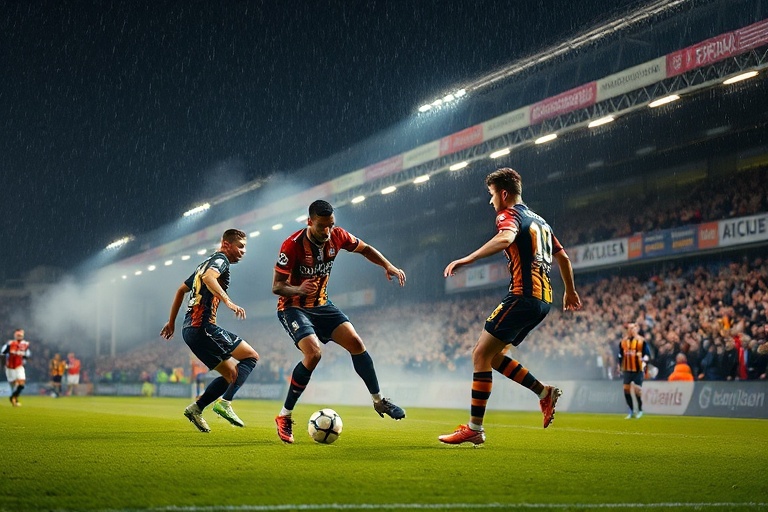
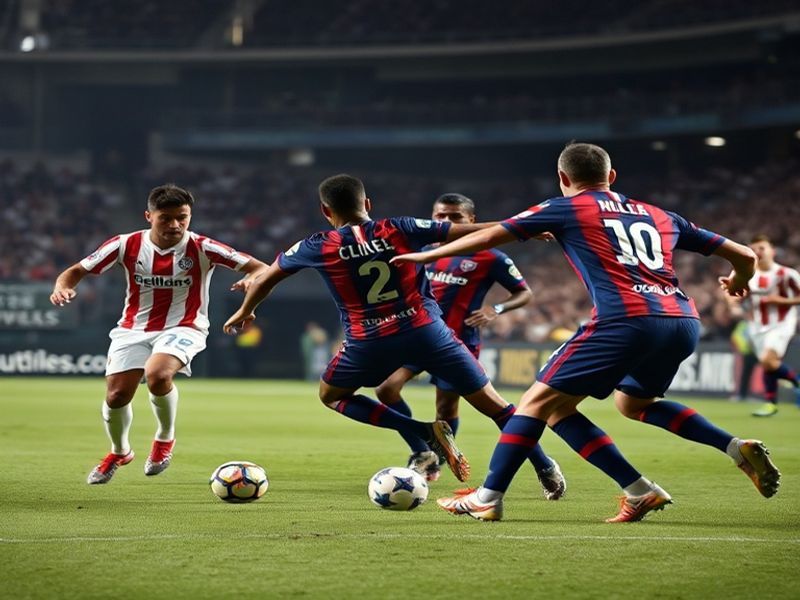
The match between Chile’s Club Deportivo O’Higgins and Colombia’s Millonarios FC is more than just a fixture in the Copa Libertadores. It represents a collision of two distinct football cultures, each shaped by its nation’s history, style of play, and fan expectations. While O’Higgins embodies the gritty, defensive resilience of Chilean football, Millonarios reflects the flamboyant, attacking verve of Colombian football.
This encounter often serves as a microcosm of broader trends in South American football. Chilean teams have long relied on tactical discipline and physicality, traits that have yielded international success despite limited resources. Meanwhile, Colombian clubs are celebrated for their technical brilliance and creativity, traits that have produced legends like Carlos Valderrama and Radamel Falcao.
As these two clubs prepare to face off, the contrast in their approaches highlights the diversity of South American football—a continent where passion often outweighs budgets and where every match feels like a statement.
The Rise of O’Higgins: From Regional Underdog to Copa Libertadores Contender
Founded in 1955 in Rancagua, O’Higgins has spent much of its history as a mid-table team in Chile’s Primera División. Yet, their journey to consistent continental competition is a testament to the club’s resilience. Unlike powerhouses like Colo-Colo or Universidad de Chile, O’Higgins built its reputation through pragmatism rather than star power.
Under the leadership of manager Eduardo Berizzo in the mid-2010s, O’Higgins adopted a defensive structure that frustrated opponents. Their 2014 Copa Libertadores run, where they reached the Round of 16, remains one of the club’s proudest achievements. That campaign showcased a team comfortable in low-block formations, relying on counterattacks and set-piece efficiency.
While O’Higgins may lack the global profile of South America’s elite clubs, their disciplined approach reflects a broader trend in Chilean football. With limited financial resources, Chilean teams often prioritize organization over individual brilliance—a strategy that has allowed them to punch above their weight in continental tournaments.
Millonarios: Colombia’s Football Royalty and Its Global Appeal
In contrast, Millonarios is one of South America’s most storied clubs. Founded in 1939 in Bogotá, the club has won the Colombian league 15 times and has a rich history of producing world-class talent. Unlike O’Higgins, Millonarios thrives on attacking football, a tradition that dates back to the 1950s when the club was known as “Ballet Azul” (Blue Ballet) for its fluid, artistic style.
Millonarios’ philosophy is deeply rooted in Colombia’s football identity. The country has long been associated with creativity, flair, and improvisation—a legacy shaped by players like Valderrama, who redefined the “number 10” role with his dribbling and vision. Even today, Millonarios’ youth academy continues to produce technically gifted forwards and midfielders who embody this tradition.
Beyond its domestic success, Millonarios has maintained a strong presence in continental competitions. Their 2016 Copa Sudamericana run, where they reached the semifinals, demonstrated their ability to compete with South America’s best. While they may not have the financial muscle of Brazilian or Argentine giants, Millonarios’ cultural influence remains unmatched in Colombia.
Tactical Showdown: Discipline vs. Creativity
When O’Higgins and Millonarios meet, the tactical battle is a study in contrasts. O’Higgins typically sets up in a compact 4-4-2 or 5-3-2 formation, prioritizing defensive solidity and quick transitions. Their players are conditioned to absorb pressure, absorb pressure, and exploit mistakes with direct passes to forwards or long balls into the box.
Millonarios, on the other hand, often employs a 4-3-3 or 4-2-3-1, with wingers and attacking midfielders tasked with overwhelming defenses through dribbling and combination play. Their full-backs push high up the pitch, creating overloads in wide areas and stretching opponents. This style demands technical proficiency and tactical awareness from every player on the pitch.
The clash between these two approaches is more than just a tactical duel—it’s a reflection of the broader philosophies that define South American football. Chilean football, shaped by economic constraints and a culture of hard work, often prioritizes collective effort over individual brilliance. Colombian football, meanwhile, celebrates the artistry of the game, where moments of individual genius can decide matches.
Cultural Impact: More Than Just a Match
The O’Higgins-Millonarios fixture carries cultural weight beyond the pitch. For O’Higgins’ fans, known as “Celestes,” the club represents a connection to Chile’s working-class roots. The team’s modest stadium, the Estadio El Teniente, holds just over 14,000 spectators, yet the atmosphere is electric on matchdays. Supporters sing traditional Chilean folk songs, blending football chants with national pride.
Millonarios, in contrast, is a symbol of Colombia’s vibrant football culture. The club’s iconic blue and white stripes are worn with pride across Bogotá, where football is more than a sport—it’s a way of life. Millonarios’ matches at the Estadio El Campín are a spectacle of color, music, and passion, with supporters known for their creativity in chants and tifos.
This cultural exchange is a reminder of how football transcends borders. While O’Higgins and Millonarios may hail from different nations and play with distinct styles, their shared commitment to the game unites them. For fans in Chile and Colombia, a match between these two clubs is an opportunity to showcase their footballing identity on a continental stage.
Key Takeaways from Past Encounters
In recent years, O’Higgins and Millonarios have faced each other in the Copa Libertadores and Copa Sudamericana. While the results have been mixed, the matches have often been tightly contested, with both teams showcasing their strengths.
- 2017 Copa Sudamericana (First Leg): Millonarios won 1-0 in Bogotá, with a late goal sealing the victory. The match highlighted Millonarios’ attacking prowess and O’Higgins’ defensive struggles against quality opposition.
- 2019 Copa Libertadores (Group Stage): A 1-1 draw in Rancagua saw O’Higgins frustrate Millonarios with their defensive shape. The Chilean side nearly pulled off a shock win, but a late equalizer denied them the points.
- 2022 Copa Libertadores (Preliminary Round): Millonarios advanced on aggregate after a 3-2 victory over two legs. The Colombian side’s technical superiority proved decisive in both matches.
These encounters underscore the unpredictability of South American football. While Millonarios often enter matches as favorites, O’Higgins’ resilience has allowed them to secure draws and even snatch victories when least expected.
What’s Next for Both Clubs?
As O’Higgins and Millonarios look ahead, their paths diverge in intriguing ways. For O’Higgins, the focus remains on building a sustainable model that balances domestic competitiveness with continental ambitions. The club’s recent investments in youth development suggest a long-term vision, though financial constraints remain a challenge.
Millonarios, meanwhile, continues to be a launching pad for Colombian talent. With a strong academy and a clear philosophy, the club is well-positioned to compete for titles in both Colombia and South America. Their recent Copa Libertadores campaigns have demonstrated their ability to challenge for the knockout stages, and another deep run could further cement their reputation as a continental force.
For football fans, the O’Higgins-Millonarios rivalry is a reminder of South America’s rich footballing tapestry. It’s a clash of styles, cultures, and histories—a match where the beauty of the game shines through, regardless of the result.
As the next chapter in this rivalry unfolds, one thing is certain: whether it’s the disciplined pragmatism of O’Higgins or the creative flair of Millonarios, South American football will continue to captivate audiences around the world.