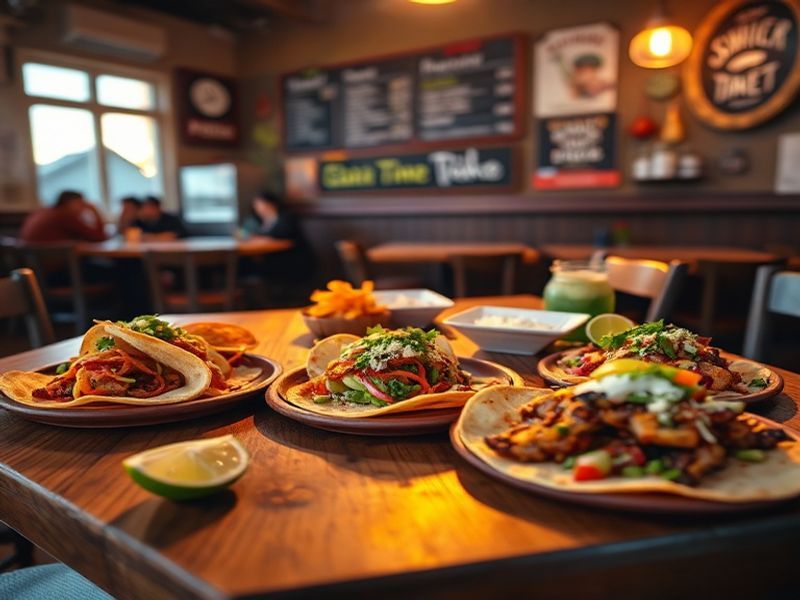
Every Tuesday, from Los Angeles to Tokyo, millions of people set aside their usual routines to celebrate a simple yet powerful culinary tradition: Taco Tuesday. What began as a regional marketing campaign in the United States has evolved into a weekly ritual observed across continents, blending cultural influences, economic incentives, and communal joy. The phenomenon illustrates how food can transcend borders, turning a humble street food into a global unifier.
The origins of Taco Tuesday trace back to the early 1980s in the United States, where a restaurant chain called Taco John’s trademarked the phrase in 1989. The idea was straightforward: create a weekly promotion to drive midweek business during a typically slow period. The strategy worked. Other restaurants quickly adopted the concept, and soon, Taco Tuesdays were a staple in American dining culture. But the tradition’s appeal extended far beyond its commercial roots.
The Cultural Roots of Tacos and Why Tuesday?
To understand Taco Tuesday’s global spread, one must first recognize the deep cultural significance of tacos themselves. Originating in Mexico, tacos emerged as a practical and delicious solution to feeding workers with portable, inexpensive ingredients. Corn tortillas became the foundation, filled with anything from grilled meats to vegetables, reflecting the diversity of Mexican cuisine. The simplicity of the dish made it adaptable, allowing it to absorb influences from Spanish colonizers, Caribbean migrants, and later, American fast-food innovations.
The choice of Tuesday as the designated day for tacos is less about tradition and more about strategy. In the U.S., weekends are dominated by barbecues, pizza nights, and family dinners. Mondays often feel like a reset after the weekend, leaving Tuesday as the ideal midpoint for a midweek treat. Restaurants seized on this gap, creating a predictable event that customers could look forward to. Over time, the weekly ritual took on a life of its own, evolving from a marketing gimmick into a cultural touchstone.
From Marketing Ploy to Global Celebration
The global adoption of Taco Tuesday demonstrates how cultural exports can mutate and thrive in new environments. In Canada, Taco Tuesday has become a staple in sports bars, often paired with beer and game-day viewership. Meanwhile, in countries like Australia and the United Kingdom, the tradition has been embraced by fast-casual chains and food trucks, adapting to local tastes with fusion ingredients like pulled pork or halloumi. Even in Japan, where tacos were initially met with skepticism, Taco Tuesday has carved out a niche, particularly among younger, cosmopolitan diners who view tacos as a symbol of global street food culture.
One of the most fascinating aspects of Taco Tuesday’s global journey is how it adapts to local palates. In India, for example, some restaurants offer paneer or spicy chicken tikka tacos, incorporating traditional flavors into the format. In Germany, where taco bars have become trendy in cities like Berlin, diners might find currywurst tacos or sauerkraut-infused creations. The tradition’s flexibility ensures its relevance, no matter the location.
The Economics Behind a Weekly Tradition
Taco Tuesday is not just a cultural phenomenon; it’s a savvy business strategy. Restaurants, from small family-owned spots to international chains, rely on the weekly event to boost foot traffic during slower periods. In the U.S., Taco Bell reported that Taco Tuesday drives a 20% increase in sales on that day alone. The economic incentive is clear: a predictable, recurring event that encourages repeat visits and social sharing.
Beyond restaurants, Taco Tuesday has also influenced grocery stores and meal-kit services. Supermarkets often feature discounted taco ingredients on Tuesdays, while companies like HelloFresh and Blue Apron include taco recipes in their weekly menus. The tradition has even extended to alcohol sales, with bars and breweries promoting margarita specials or taco-and-beer pairings. The ripple effects of Taco Tuesday are felt across the food industry, proving that a simple idea can have far-reaching economic consequences.
The Social Ritual of Taco Tuesday
Perhaps the most enduring aspect of Taco Tuesday is its role as a social ritual. In an era of remote work and digital communication, the weekly taco tradition offers a tangible, communal experience. Offices often designate Tuesdays as “taco days,” where colleagues gather around a table laden with tortillas, fillings, and toppings. Friends schedule taco nights as a way to reconnect, and families use the occasion to introduce younger generations to the joys of homemade tacos. The ritual is inclusive, adaptable, and, above all, fun.
Social media has amplified the tradition’s reach, turning Taco Tuesday into a visual spectacle. Instagram feeds and TikTok videos showcase creative taco combinations, from Korean BBQ to vegan jackfruit. The hashtag #TacoTuesday has millions of posts, creating a digital archive of the world’s taco adventures. This online engagement ensures that the tradition remains relevant, evolving with each new generation of food enthusiasts.
Challenges and Controversies
Despite its widespread popularity, Taco Tuesday has not been without controversy. In 2021, a legal dispute emerged when Taco John’s, the company that trademarked the phrase, sent cease-and-desist letters to restaurants using “Taco Tuesday” in their marketing. The backlash was swift, with many arguing that the phrase had become a generic term, detached from its commercial origins. The case highlighted the tension between intellectual property and cultural tradition, raising questions about who “owns” a phrase that has entered the public lexicon.
Another challenge is the potential for cultural appropriation. As tacos gain global popularity, some critics argue that the dish’s Mexican roots are often overshadowed by commercialized, watered-down versions. Purists insist that authentic tacos should adhere to traditional ingredients and techniques, while others embrace the fusion and innovation that Taco Tuesday encourages. The debate underscores the complexities of global food culture, where tradition and adaptation often collide.
Looking Ahead: The Future of Taco Tuesday
As Taco Tuesday continues to evolve, its future remains bright. The tradition’s adaptability ensures its longevity, whether through new culinary innovations, global expansions, or digital engagement. Restaurants are experimenting with plant-based tacos, while food scientists develop new flavors and textures to keep the tradition fresh. Meanwhile, the rise of food delivery apps means that even those without a local taco joint can participate in the weekly ritual.
For many, Taco Tuesday is more than just a meal—it’s a celebration of community, creativity, and cultural exchange. Whether enjoyed at a bustling taqueria in Mexico City or a pop-up taco stand in Seoul, the tradition reminds us of the universal appeal of good food and shared experiences. As long as there are tacos and Tuesdays, the tradition will endure.
For those interested in exploring more about global food trends and their cultural impacts, check out our Food section, where we dive deeper into the stories behind the dishes that shape our world. And if you’re curious about how other traditions have crossed borders, our Culture category offers insights into the fascinating intersections of food, history, and society.
In the end, Taco Tuesday is a testament to the power of food to bring people together. It’s a weekly reminder that sometimes, the simplest ideas can have the most profound impact.