The Boys Season 5: How the Final Season Redefines Superhero TV
“`html
The Boys Season 5: The Final Season That Redefines Superhero TV
The fifth and final season of The Boys has arrived, delivering a conclusion that transcends its predecessors. As the curtain falls on this brutal, satirical take on superheroes, the series leaves behind a legacy that will shape the genre for years to come. With heightened stakes, sharper commentary, and unflinching storytelling, Season 5 cements The Boys as more than just a counterpoint to the Marvel and DC universes—it’s a standalone masterpiece that forces audiences to confront uncomfortable truths about power, corruption, and heroism.
A Brutal Farewell: What Makes Season 5 Stand Out
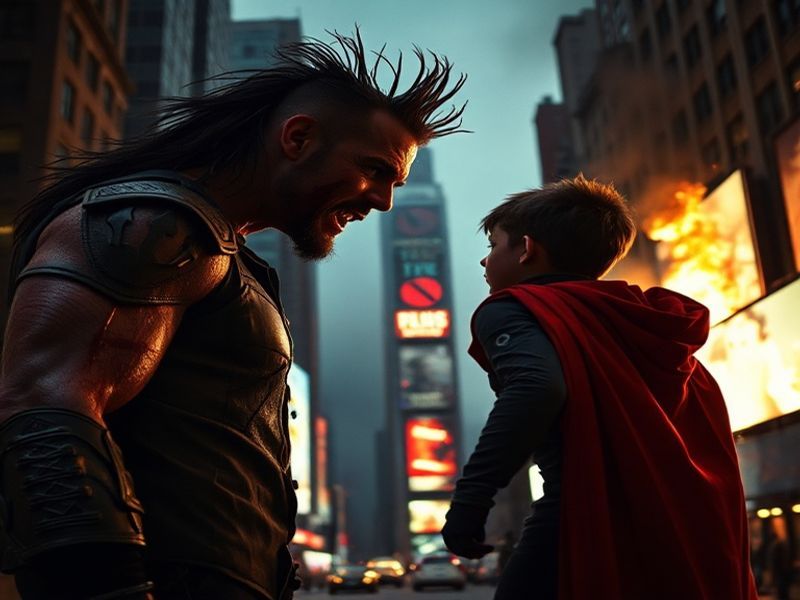
From its opening moments, Season 5 signals that it will not pull its punches. The season introduces a new, even more insidious threat: Soldier Boy’s return. The original Seven member, presumed dead for decades, re-emerges with a vengeance, wielding power that dwarfs even Homelander’s. This dynamic forces the show’s characters—and its audience—to question what it truly means to be a hero. Soldier Boy isn’t just a villain; he’s a relic of a bygone era, a man who believes in absolute control and moral absolutism, clashing violently with the chaotic, self-serving ethos of Vought’s modern corporate superheroes.
The season’s pacing is relentless, balancing high-octane action with moments of quiet, devastating character work. The show’s signature blend of gore, dark humor, and social critique remains intact, but Season 5 sharpens its focus. Themes of legacy, redemption, and the cyclical nature of violence are woven into every episode, culminating in a finale that feels both inevitable and shocking. The writing avoids easy resolutions, instead opting for a finale that asks as many questions as it answers.
One of the season’s most striking elements is its treatment of Homelander’s descent into madness. After years of manipulating the public and his own team, his unraveling feels both tragic and terrifying. The show doesn’t glorify his suffering—it highlights how his actions have consequences, not just for himself but for the world around him. This refusal to romanticize its characters is what sets The Boys apart from its peers.
The Broader Implications: Why This Season Matters Beyond TV
The Boys has always been more than a superhero parody. It’s a mirror held up to society, reflecting the dangers of unchecked power, the weaponization of media, and the erosion of truth. Season 5 amplifies these themes, particularly in its exploration of propaganda and public perception. Vought’s manipulation of the media isn’t just a plot device—it’s a direct commentary on how information is controlled in the modern world. The parallels to real-world issues, from corporate greed to the erosion of democratic institutions, are impossible to ignore.
The season also delves deeper into the psychological toll of violence. Unlike traditional superhero stories, where battles are often sanitized for mass appeal, The Boys forces viewers to sit with the aftermath. Characters are left broken, relationships are shattered, and the cost of power is laid bare. This isn’t just entertainment; it’s a cautionary tale about the dangers of idolizing figures who are, at best, flawed and, at worst, monstrous.
The final season arrives at a cultural inflection point. Superhero fatigue is real, with audiences growing increasingly disillusioned by formulaic, studio-driven franchises. The Boys thrives in this space because it rejects the status quo. It doesn’t just subvert expectations—it obliterates them. By refusing to give its characters easy victories or happy endings, the show challenges viewers to reconsider what they expect from their entertainment.
Key Takeaways from The Boys Season 5
- Soldier Boy’s return: A throwback villain who challenges modern heroes’ morality.
- Homelander’s fall: The season focuses on his unraveling, avoiding any glorification of his suffering.
- Media manipulation: Vought’s control over information reflects real-world concerns about propaganda.
- Violence without glamour: The show emphasizes the psychological and physical cost of power.
- A definitive ending: The series concludes without leaving room for spin-offs or soft landings.
The Legacy of The Boys: Where Does It Go From Here?
With the final season complete, The Boys leaves behind a complicated legacy. On one hand, it has redefined what superhero storytelling can be—brutal, unapologetic, and intellectually provocative. On the other, it raises questions about the future of the genre. Can other shows follow its lead, or will the industry retreat back into safer, more profitable territory?
For fans of the series, the end of The Boys doesn’t mean the conversation is over. The show’s themes will continue to resonate, particularly as society grapples with issues of power, truth, and accountability. The final season doesn’t just wrap up a story—it ends an era. Whether that era will inspire change or be forgotten remains to be seen, but its impact is undeniable.
The series also leaves behind a roadmap for creators. The Boys proved that audiences crave stories that challenge them, that force them to confront uncomfortable truths. In an age where superhero fatigue is setting in, the show’s success suggests that there’s still a hunger for narratives that refuse to play by the rules.
For now, fans can revisit the series on Dave’s Locker Entertainment section, where they can dive deeper into the show’s themes and legacy. For those interested in the broader cultural impact of superhero media, the Dave’s Locker Analysis page offers further insights into how these stories shape society.
Final Thoughts: A Season That Demands to Be Remembered
The Boys Season 5 isn’t just a conclusion—it’s a statement. It refuses to let its audience look away, forcing them to engage with the consequences of power, the perils of unchecked ambition, and the fragility of truth. In a genre often defined by spectacle, The Boys delivers something rarer: substance.
The final season’s refusal to offer easy answers is its greatest strength. It doesn’t pretend that the world can be fixed with a punch or a speech. Instead, it acknowledges that the fight for justice is messy, painful, and often without resolution. That’s a message that resonates far beyond the confines of superhero fiction.
As the credits roll on the final episode, one thing is clear: The Boys will be remembered not just as a great show, but as a cultural touchstone. It challenged its audience, redefined its genre, and left behind a legacy that will be studied and debated for years to come. For that alone, it deserves to be celebrated.