Aintree Racecourse stands as one of the most iconic venues in British sporting history, blending centuries-old tradition with heart-pounding sporting drama. Nestled in the heart of Merseyside, this sprawling 300-acre complex has earned its reputation as a hallowed ground for horse racing enthusiasts. Beyond the sport itself, Aintree represents a cultural landmark where community, competition, and heritage intersect in unexpected ways.
The racecourse first opened its gates in 1829, when William Lynn leased land from the 2nd Marquess of Sefton to establish a new venue for horse racing. From those early days, Aintree quickly distinguished itself through innovation. It hosted the first ever Grand National in 1839, an event that would eventually become the most famous steeplechase in the world. Over the decades, the course evolved not just as a sporting venue but as a social hub, drawing crowds from across the social spectrum—from aristocrats in fine hats to working-class families gathering for a shared spectacle.
The Grand National: A Race That Defines a Nation
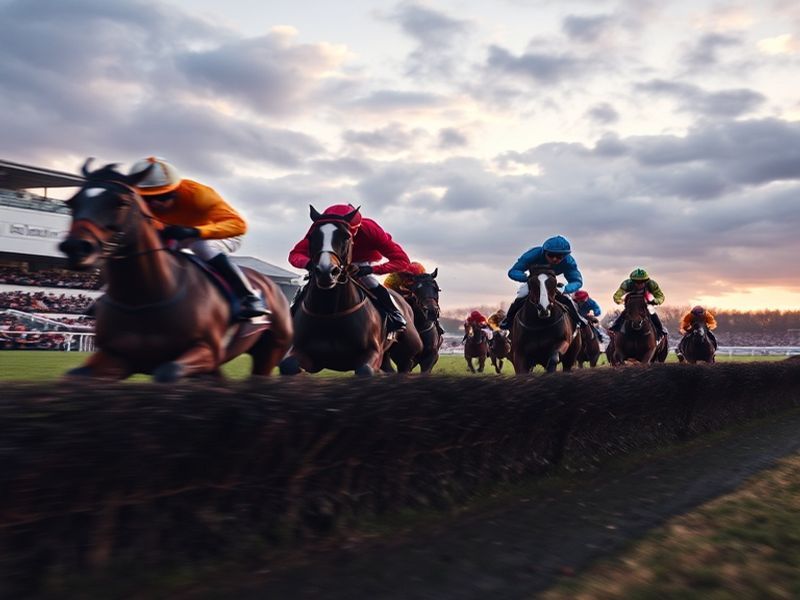
The Grand National is undeniably Aintree’s crown jewel. Known for its grueling 4-mile, 514-yard course featuring 30 formidable fences, the race tests both horse and rider to their absolute limits. Its unpredictable nature—where underdogs can triumph and champions can fall—has cemented its place in British culture. The race has seen legendary moments, from Red Rum’s unprecedented three victories in the 1970s to the emotional 2023 win by Corach Rambler, a first-time contender who captured the nation’s imagination.
What makes the Grand National more than just a sporting event is its cultural resonance. It’s a fixture in British calendars, a topic of conversation in pubs and offices alike. Families gather around screens, placing friendly bets and debating form guides. The race transcends sport, becoming a shared national experience that bridges generations. While critics often highlight its dangers and call for reform, the Grand National remains a symbol of perseverance, unpredictability, and raw human emotion.
Key Elements That Make the Grand National Unique
- The Course: The unique layout includes iconic fences like Becher’s Brook and The Chair, each with its own story and challenge.
- The Crowd: Over 70,000 spectators pack the stands, creating an electric atmosphere unlike any other sporting event.
- The Horses: The race attracts a mix of seasoned champions and relative unknowns, keeping the outcome wide open until the final furlong.
- The History: With nearly two centuries of races, the Grand National carries layers of triumph, tragedy, and tradition.
- The Charity Appeal: The event raises millions annually for charity, reinforcing its role beyond mere entertainment.
Aintree Beyond the Grand National
While the Grand National understandably dominates headlines, Aintree’s significance extends far beyond a single race. The course hosts over 30 days of racing annually, including prestigious events like the Aintree Grand Liverpool Steeplechase and the Mersey Novices’ Hurdle. These races provide vital platforms for up-and-coming jockeys and trainers to showcase their talent, ensuring the sport’s future remains vibrant.
Aintree also plays a crucial role in the local economy. The racecourse injects millions into the Liverpool region annually, supporting jobs in hospitality, tourism, and retail. During race meetings, hotels fill up, restaurants thrive, and local businesses experience a surge in activity. The venue’s impact is felt far beyond the final post, reinforcing its status as an economic engine for the Northwest.
In recent years, Aintree has embraced modernization while preserving its heritage. State-of-the-art facilities have been introduced alongside traditional grandstands, ensuring comfort for modern audiences without erasing the venue’s historic charm. Initiatives like sustainability programs and community engagement projects further demonstrate Aintree’s commitment to evolving responsibly.
The Broader Implications of Aintree’s Legacy
Aintree’s influence stretches into broader conversations about sport, culture, and society. The racecourse serves as a microcosm of British sporting values—where tradition and innovation coexist, where risk and reward are constantly balanced. It raises important questions about the future of horse racing itself. As animal welfare concerns grow and calls for reform intensify, venues like Aintree face the challenge of preserving the sport’s spirit while adapting to ethical expectations.
The Grand National, in particular, has sparked debate about safety and spectacle. While some advocate for radical changes or even the abolition of jumps racing, others argue that the race’s very unpredictability and challenge are what make it special. Aintree finds itself at the center of this debate, tasked with navigating a delicate balance between tradition and progress.
Moreover, Aintree’s role in community building cannot be overstated. In an era where many sporting events feel increasingly commercialized, Aintree retains a grassroots appeal. It’s a place where local pride thrives, where families return year after year, and where shared experiences create lasting memories. This sense of belonging is a rare commodity in modern sports culture, making Aintree all the more significant.
Why Aintree Still Matters Today
In a sporting landscape dominated by globalized entertainment and instant gratification, Aintree offers something rare: authenticity. It’s a place where history is not just remembered but lived, where every race feels like a chapter in an ongoing story. Whether it’s the roar of the crowd as the runners approach Becher’s Brook or the quiet dignity of a retired racehorse paraded in the winner’s enclosure, Aintree captures the essence of what makes sport meaningful.
For younger generations, Aintree represents a connection to the past—a chance to experience something timeless amid a world of fleeting trends. For seasoned racegoers, it’s a sanctuary of familiarity and nostalgia. And for the wider community, it’s a source of pride and identity.
Aintree Racecourse is more than a venue. It’s a living testament to the power of tradition, the thrill of competition, and the enduring appeal of shared human experiences. As long as horses and riders take to its hallowed ground, the spirit of Aintree will continue to gallop forward, inspiring, challenging, and uniting.
Whether you’re a lifelong racing fan, a casual observer, or someone drawn by curiosity, Aintree offers an experience that lingers long after the final race is run.
To explore more about the intersection of sport and culture, visit our Sports and Culture sections on Dave’s Locker.