monte-carlo masters
“`html
Monte-Carlo Masters: Where Tennis Meets Mediterranean Glamour
The Monte-Carlo Masters isn’t just another stop on the ATP Tour—it’s a convergence of sport, luxury, and history against the backdrop of the French Riviera. Held annually in Roquebrune-Cap-Martin, France, this clay-court tournament draws the world’s top players, elite spectators, and a global audience eager to witness tennis at its most refined. More than a competition, the event is a cultural institution that blends athletic excellence with Mediterranean charm.
The tournament’s origins trace back to 1897, making it one of the oldest tennis competitions in the world. Its longevity speaks to its enduring appeal, evolving from a local gathering of European aristocrats to a premier event on the ATP calendar. Today, the Monte-Carlo Masters occupies a unique space in professional tennis, offering a rare blend of tradition and modern spectacle.
The Prestige of Monte-Carlo: Beyond the Trophy
Winning the Monte-Carlo Masters carries weight beyond the immediate glory. The tournament is one of the few ATP Masters 1000 events played entirely on clay, a surface that demands endurance, tactical intelligence, and adaptability. Success here often translates into momentum heading into the French Open at Roland Garros, where the same clay courts await.
For players, the prestige is undeniable. Rafael Nadal, the tournament’s most decorated champion with 11 titles, has called it his “second home.” His dominance on the red clay of Monte-Carlo is legendary, a testament to the event’s significance in his career. But the Masters isn’t solely a Spanish or European affair. Over the years, champions from Serbia, Switzerland, Serbia, and Croatia have left their mark, reflecting the global nature of modern tennis.
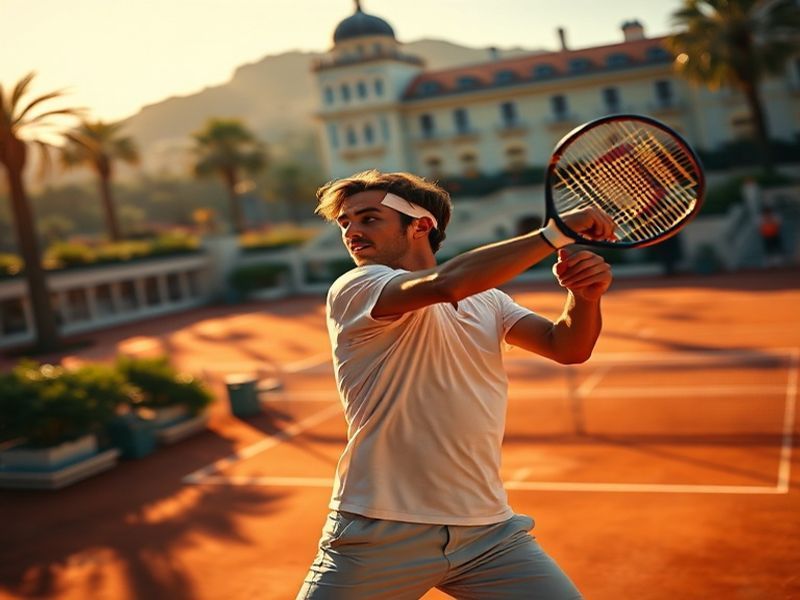
The tournament’s atmosphere is equally distinctive. Unlike the high-energy stadiums of other Masters events, Monte-Carlo exudes understated elegance. The courts are nestled within the Monte-Carlo Country Club, surrounded by manicured gardens and the sparkling Mediterranean Sea. The backdrop of yachts bobbing in the harbor and the distant shimmer of Monaco’s skyline create a visual contrast to the intensity on the court.
From Local Tradition to Global Stage
The Monte-Carlo Masters’ journey from a European social event to a global spectacle mirrors broader changes in tennis. In the early 20th century, the tournament was a gathering for the continent’s elite, a chance to mingle in the salons of Monaco and Nice. By the 1970s and 1980s, as tennis professionalized, Monte-Carlo became a proving ground for the sport’s rising stars.
Today, the event attracts a diverse audience. Tennis enthusiasts travel from across the globe to witness the action, while celebrities and business leaders mingle in the VIP lounges. The tournament’s ability to balance high-stakes competition with social cachet is part of its enduring appeal. It’s a reminder that tennis, at its core, is as much about human connection as it is about athleticism.
This dual identity is reflected in the event’s programming. On-court action is complemented by off-court experiences, from gala dinners to charity auctions. The Monte-Carlo Masters Foundation, for instance, supports local initiatives in education and sports, reinforcing the tournament’s commitment to its host region.
Key Moments in Monte-Carlo Masters History
The tournament has witnessed countless memorable moments, from epic comebacks to record-breaking achievements. Here are a few that stand out:
- 1982: Ivan Lendl’s First Masters 1000 Title – The Czech champion defeated Jimmy Arias in the final, signaling the start of his dominance on clay.
- 2005: Rafael Nadal’s First Monte-Carlo Triumph – A 19-year-old Nadal defeated Guillermo Coria in a grueling five-set final, launching his clay-court legacy.
- 2017: Albert Ramos-Viñolas’ Upset Over Novak Djokovic – One of the biggest surprises in the tournament’s history, as the unseeded Spaniard ended Djokovic’s 29-match winning streak on clay.
- 2022: Stefanos Tsitsipas’ Nail-Biting Victory – The Greek star saved three championship points in the final against Alejandro Davidovich Fokina to claim his first Masters 1000 title.
The Economic and Cultural Impact of the Masters
Hosting the Monte-Carlo Masters isn’t just about prestige—it’s a significant economic driver for the region. The tournament injects millions into the local economy, from hospitality and tourism to retail and transportation. Hotels across Monaco and the French Riviera report near-full occupancy during the event, while restaurants and shops see a surge in business.
For Monaco specifically, the Masters aligns with the principality’s identity as a hub for luxury and exclusivity. The event reinforces Monaco’s reputation as a destination for high-net-worth individuals, further cementing its status as a global playground for the wealthy. Yet, despite its association with affluence, the tournament remains accessible to fans, with ticket prices designed to encourage broad participation.
Culturally, the Monte-Carlo Masters plays a role in shaping the narrative of tennis as a sport of elegance and tradition. While other tournaments emphasize raw power or speed, Monte-Carlo celebrates finesse, strategy, and endurance. This aesthetic is reflected in the event’s branding, which often incorporates Art Deco influences and Mediterranean motifs, evoking the glamour of the early 20th century.
Looking Ahead: The Future of Monte-Carlo
As the Monte-Carlo Masters approaches its 128th edition, questions about its future are inevitable. The tournament faces challenges common to historic events: balancing tradition with innovation, and maintaining relevance in an era dominated by digital media and shifting fan preferences.
One area of evolution is sustainability. In recent years, the tournament has taken steps to reduce its environmental footprint, from minimizing plastic waste to promoting public transportation. These efforts reflect a broader trend in sports toward eco-consciousness, and Monte-Carlo is positioning itself as a leader in this space.
Another consideration is the tournament’s role in the ATP Tour’s calendar. With the rise of new Masters 1000 events in the Middle East and Asia, Monte-Carlo must continue to justify its unique appeal. For many players and fans, however, its charm lies in its unapologetic embrace of tradition. In a sport increasingly dominated by analytics and uniformity, Monte-Carlo offers a refreshing reminder of tennis’s cultural roots.
The Monte-Carlo Masters is more than a tennis tournament—it’s a living museum of the sport’s history, a showcase of athletic brilliance, and a celebration of Mediterranean culture. As long as it continues to evolve while honoring its past, it will remain a cornerstone of the tennis world.
For those unable to attend, the tournament’s allure is easily accessible through broadcasts and digital platforms. Yet, there’s no substitute for experiencing the ambiance of the Monte-Carlo Country Club, where the clink of champagne glasses mingles with the thwack of tennis balls. It’s a reminder that tennis, at its heart, is a sport that transcends competition—it’s a spectacle of beauty, history, and human connection.
Whether you’re a die-hard tennis fan or simply drawn to the allure of the French Riviera, the Monte-Carlo Masters offers something unforgettable. It’s a testament to the power of sport to unite, inspire, and dazzle.
—
METADATA
{
“title”: “Monte-Carlo Masters: Tennis, Tradition, and Mediterranean Glamour”,
“metaDescription”: “Discover why the Monte-Carlo Masters is more than a tennis tournament—it’s a blend of history, luxury, and athletic brilliance on the French Riviera.”,
“categories”: [“Sports”, “Travel”],
“tags”: [“Monte-Carlo Masters”, “ATP Tour”, “clay court tennis”, “Rafael Nadal”, “French Riviera sports”],
“imageDescription”: “A vibrant aerial view of the Monte-Carlo Country Club tennis courts during the tournament, surrounded by lush gardens, yachts in the harbor, and the sparkling Mediterranean Sea under a clear blue sky. The scene captures the blend of athletic intensity and Mediterranean elegance, with players on court and spectators in the stands.”
}
—END METADATA—
“`