lluvia
Lluvia: The Universal Language of Weather
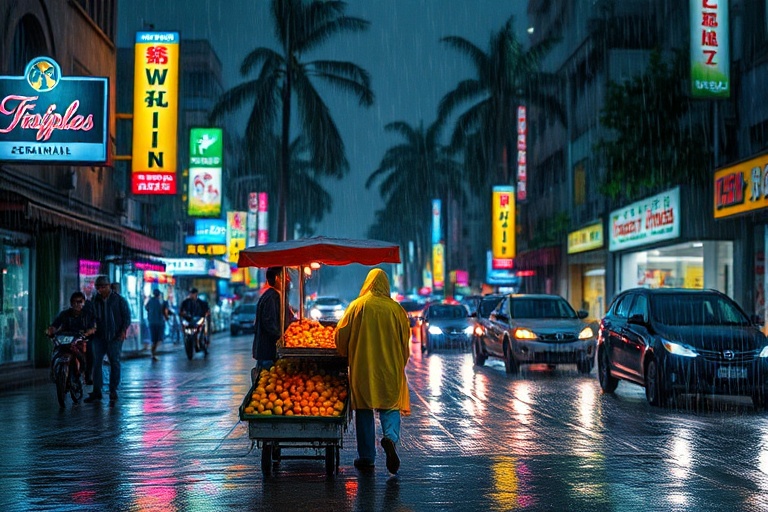
From the monsoon-soaked streets of Mumbai to the misty highlands of Scotland, lluvia—the Spanish word for rain—unfolds as both a meteorological phenomenon and a cultural cornerstone. Rain shapes economies, traditions, and daily life across continents, transcending language barriers to become a shared human experience. It nourishes crops, fills reservoirs, and inspires art, yet it also disrupts travel, floods cities, and tests resilience in vulnerable communities.
Understanding lluvia requires more than tracking weather patterns. It demands a look at how societies interpret and adapt to precipitation, from the rhythmic pitter-patter in poetry to the urgent evacuation sirens in flood zones. This global perspective reveals rain not just as water falling from the sky, but as a force that defines identities, sustains livelihoods, and occasionally reshapes them forever.
The Science Behind the Sky’s Tears
Rain begins with evaporation. The sun heats water from oceans, lakes, and rivers, turning it into vapor that rises and cools, forming clouds. When these droplets collide and grow heavy enough, gravity pulls them earthward as lluvia. Yet not all rain falls equally. Tropical regions endure torrential downpours daily, while arid deserts might wait years for a single storm. Meteorologists classify rainfall intensity using terms like “light,” “moderate,” and “heavy,” which guide everything from farming schedules to outdoor sports scheduling.
The timing and volume of lluvia vary dramatically by geography. In equatorial zones like the Amazon or Congo Basin, afternoon thunderstorms are nearly guaranteed. Meanwhile, the Atacama Desert in Chile holds the record for the driest place on Earth, where some weather stations have never recorded measurable rainfall. Such extremes highlight how lluvia is not just a weather event—it’s a defining feature of ecosystems and human adaptation.
Climate Change and the Shifting Rhythms of Lluvia
As global temperatures rise, so does the intensity of rainfall. Warmer air holds more moisture, leading to heavier storms and increased flooding risks. In South Asia, monsoon patterns are growing erratic, disrupting agriculture and displacing communities. In Europe, flash floods have surged in Germany, Belgium, and Italy, causing billions in damages and reshaping urban planning priorities.
Scientists warn that without significant emissions reductions, extreme rainfall events could become 20% more frequent by 2050. This shift forces governments to rethink infrastructure, insurance models, and emergency response strategies. Farmers, too, are adapting—planting drought-resistant crops in anticipation of drier spells, while others install irrigation systems to capture scarce lluvia when it does arrive.
Cultural Echoes: How Societies Celebrate and Fear Lluvia
Rain carries deep symbolic meaning across cultures. In Japan, ame (rain) is celebrated in haiku poetry and depicted in woodblock prints as both serene and melancholic. The Shinto tradition sees rain as a purifying force, cleansing both land and spirit. Meanwhile, in Irish folklore, rainbows appearing after showers are bridges to the Otherworld, carrying luck and mystery.
In contrast, many Indigenous communities in Australia view lluvia as a life-giver tied to ancestral stories. The Aboriginal Dreamtime connects rain to the journeys of creator beings, emphasizing harmony between humans and nature. Yet in regions like Bangladesh, excessive lluvia during monsoon season triggers catastrophic flooding, displacing millions and fueling debates over climate justice.
A Global Calendar of Lluvia
Different cultures mark the arrival of lluvia through festivals, rituals, and daily routines. Consider this snapshot:
- India: The monsoon season (June–September) is so vital that farmers wait for the first barsat to begin planting. Cities like Mumbai shut down briefly during extreme downpours, while the festival of Teej celebrates rain’s life-giving power.
- Mexico: During the rainy season, communities honor Tláloc, the Aztec god of rain, with offerings and dances to ensure fertile harvests.
- Iceland: Rain is often accompanied by the huldufólk (hidden people), who are said to move indoors during storms—leading to construction projects rerouting roads to avoid disturbing them.
- Brazil: In the Amazon, lluvia sustains biodiversity and indigenous communities, but deforestation has altered rainfall patterns, threatening the forest’s delicate balance.
- Pacific Northwest (USA): Residents embrace the “rainy season” as part of local identity, with festivals, cozy cafes, and even rain-themed wedding vows.
These traditions show that lluvia is more than weather—it’s woven into the fabric of cultural identity, shaping calendars, cuisines, and communal bonds.
Lluvia in the Digital Age: Forecasts, Myths, and Misinformation
Today, technology has transformed how we experience lluvia. Smartphone apps provide minute-by-minute forecasts, satellite imagery tracks storm paths, and social media amplifies both warnings and viral videos of dramatic downpours. Yet this digital access hasn’t eliminated misinformation. During Hurricane Harvey in 2017, false rumors about dam collapses spread rapidly on platforms like Twitter, causing unnecessary panic.
On the flip side, crowdsourced weather data—such as reports from amateur meteorologists on platforms like Weather Underground—has improved local forecasting accuracy. Farmers in sub-Saharan Africa now use SMS alerts to plan planting, while urban planners in Southeast Asia utilize AI to predict flash floods in real time.
Despite these advances, reliance on digital tools can create a disconnect from nature. Many city dwellers now experience lluvia as a notification on a screen rather than a sensory reality. This shift raises questions: Are we losing the ability to read the sky? Or is technology simply helping us adapt to a changing climate more effectively?
Conclusion: Living with Lluvia in an Uncertain Future
Lluvia is both a constant and a variable—always present in the hydrological cycle, yet changing in intensity and timing due to human activity. As climate change accelerates, societies must balance technological innovation with traditional knowledge. Farmers, engineers, artists, and elders all hold pieces of the puzzle: how to live with rain’s gifts and mitigate its dangers.
Whether it’s the monsoon dances in India, the flood defenses in the Netherlands, or the rain barrels in suburban backyards, humanity’s relationship with lluvia remains dynamic. It’s a reminder that weather is not just a backdrop to life, but an active participant in shaping it.
In the end, understanding lluvia means listening—not just to weather reports, but to the stories of those who live with its rhythms every day.