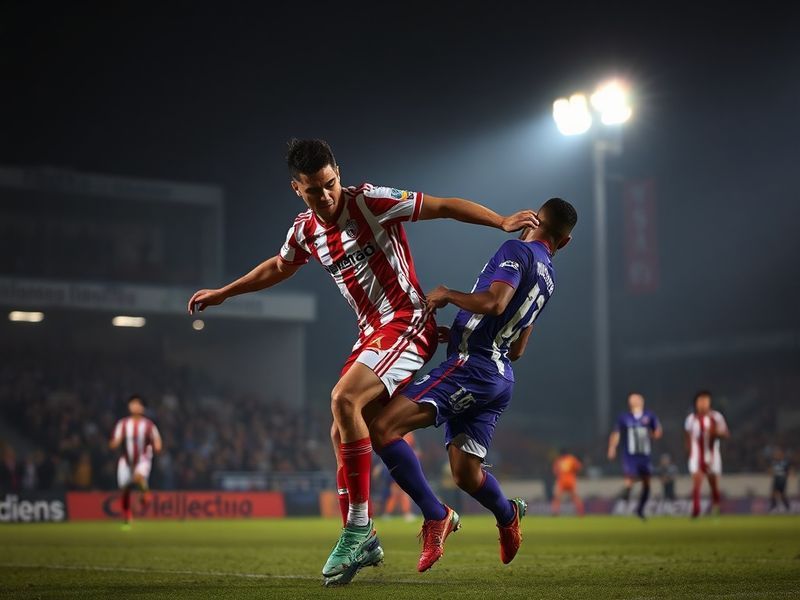
When Rosario Central and Independiente del Valle face off, football fans witness more than just a match—they see a collision of philosophies. One club, Rosario Central, carries the weight of Argentine football’s passion and tradition. The other, Independiente del Valle, represents the rising tide of Ecuadorian ambition and tactical innovation. This fixture, whether in the Copa Libertadores or a friendly, always delivers intensity, creativity, and high stakes.
The contrast between these two teams extends beyond geography. Rosario Central, founded in 1889, is a historic institution in Argentina’s footballing heartland. Independiente del Valle, though younger at just 38 years, has quickly established itself as a force in South American football. Their rivalry isn’t rooted in decades of competition, but in contrasting identities: one rooted in tradition, the other in rapid evolution.
The Roots of Rosario Central: A Legacy Built on Passion
Rosario Central stands as one of Argentina’s most beloved clubs. Based in the city of Rosario, a football hotbed alongside Buenos Aires, the club has produced legends like Mario Kempes and Ángel Di María. Founded by British railway workers, it carries the DNA of early South American football—gritty, physical, and deeply connected to its community.
The club’s identity is shaped by its working-class roots and fierce local pride. Estadio Gigante de Arroyito, their home ground, is known for its electric atmosphere, especially on matchdays when the streets of Rosario echo with chants and drums. Central’s style often reflects its environment: direct, combative, and relentless in pressing. They thrive in transitions, relying on quick counters and physicality in midfield.
In recent years, Central has balanced tradition with modernization. Under coaches like Miguel Ángel Russo, they’ve embraced a more structured approach while maintaining their attacking identity. Their Copa de la Liga performances and strong showings in continental tournaments have reaffirmed their status as a consistent force in Argentine football.
Independiente del Valle: Ecuador’s Modern Marvel
Founded in 1988 in Sangolquí, a small town near Quito, Independiente del Valle emerged from modest beginnings. Yet in just over three decades, the club has rewritten the script for Ecuadorian football. Its rise began with a youth academy that became a model for development in South America. Today, players like Johan Julio and Junior Sornoza have graduated from that system into stars.
The club’s philosophy is built on technical excellence, positional play, and high pressing. Under coaches like Miguel Ángel Ramírez and later Eduardo Domínguez, Independiente developed a style inspired by European models—particularly the pressing systems of Pep Guardiola and Jürgen Klopp. Their 2022 Copa Sudamericana triumph, defeating São Paulo in the final, cemented their place among continental elites.
Off the pitch, Independiente del Valle operates with remarkable professionalism. Their stadium, Estadio Banco Guayaquil, is one of the most advanced in South America, with state-of-the-art facilities and a focus on fan experience. The club’s leadership has prioritized infrastructure, youth development, and smart recruitment—proving that success doesn’t require a century of history, but vision and execution.
A Tactical Showdown: Pressing vs. Counterattack
When these two teams meet, the tactical battle is fascinating. Independiente del Valle typically sets the tempo, dominating possession with short, sharp passing and aggressive pressing. Their full-backs push high, creating overloads in wide areas. The midfield operates in tight spaces, forcing opponents into mistakes and capitalizing on turnovers.
Rosario Central, by contrast, often absorbs pressure before striking with speed. Their midfielders like Leonardo Gil and Alan Marinelli are adept at intercepting passes and launching quick transitions. Central’s forwards, including Marco Ruben and Lucas Gamba, excel in one-on-one situations and aerial duels. The clash becomes a duel between control and chaos—between method and instinct.
In recent Copa Libertadores meetings, Independiente has had the upper hand, using their high pressing to suffocate Central’s rhythm. But Central’s resilience and home advantage make them dangerous. The second leg in Rosario often turns into a cauldron of noise and intensity, where passion can outweigh tactics.
Key Moments in Their Recent History
The rivalry between Rosario Central and Independiente del Valle is still young, but it has already produced memorable moments. Their first Copa Libertadores clash came in 2021, with Independiente advancing on away goals. The following year, Central turned the tables, defeating Independiente 3-1 in Rosario during the group stage.
One defining match was in the 2023 Copa Sudamericana. In a tight encounter, Independiente edged Central 2-1 on aggregate, showcasing their defensive solidity and clinical finishing. That run culminated in a runner-up finish in the tournament, further elevating their profile.
For Central, the frustration has been palpable. Despite their pedigree, they’ve struggled to overcome teams that play with more structure and discipline. But their 2024 Copa de la Liga campaign showed signs of progress, with young talents integrating into the first team and a renewed sense of purpose under manager Carlos Izquierdoz.
What’s at Stake Now?
The next chapter in this rivalry could come in the 2024 Copa Libertadores, where both clubs are expected to compete. For Independiente, reaching the knockout stages would reinforce their status as a continental powerhouse. For Central, progression would be a statement—a return to the elite level where they belong.
Beyond trophies, this fixture is about identity. Can Rosario Central reclaim its place among Argentina’s top clubs by outmuscling modern opponents? Can Independiente del Valle continue their ascent by proving their tactical model works against the best in South America?
The answer lies in the details: set-pieces, individual moments of brilliance, and the ability to handle pressure. Rosario Central’s fighting spirit against Independiente’s polished execution creates a compelling dynamic—one where underdogs and tradition often collide.
Why This Rivalry Matters Beyond the Pitch
This isn’t just a football match. It’s a cultural exchange between two footballing nations. Argentina is the spiritual home of the sport in South America, a factory of talent and emotion. Ecuador, though smaller, has become a hub for innovation and development.
Independiente del Valle’s success has inspired clubs across the continent to invest in academies and infrastructure. Their rise challenges the idea that only wealthy clubs or those with deep histories can win trophies. Meanwhile, Rosario Central’s struggles reflect broader issues in Argentine football—financial instability, player departures, and the challenge of competing with Europe’s financial might.
For fans, this fixture offers more than entertainment. It’s a chance to celebrate local identity, to see their values reflected in football. For young players, it’s inspiration—proof that talent and hard work can overcome any obstacle.
As the two clubs prepare for their next encounter, one thing is clear: this rivalry is still growing. And with each match, it gains depth, meaning, and a place in South American football’s evolving narrative.
A Look to the Future
The future of Rosario Central vs Independiente del Valle is bright. With both clubs committed to youth development and smart management, their next meetings could be even more competitive. Independiente will likely continue refining their possession-based style, while Central may find new ways to blend tradition with modern tactics.
For fans of South American football, this is a rivalry to watch. It’s not about history or legacy—though those matter—but about what football can become when ambition meets opportunity.
As we look ahead to their next clash, one question lingers: Will this be the match where Rosario Central finally turns the tide? Or will Independiente del Valle continue their march toward continental dominance? Either way, the football will be rich, the competition fierce, and the legacy of this young rivalry will grow.
For now, the stage is set. The players are ready. And the fans—whether in Rosario, Sangolquí, or beyond—are waiting. The next chapter in this compelling story is about to begin.
To explore more about South American football or club histories like these, visit our News and Sports sections for deeper analysis and updates.