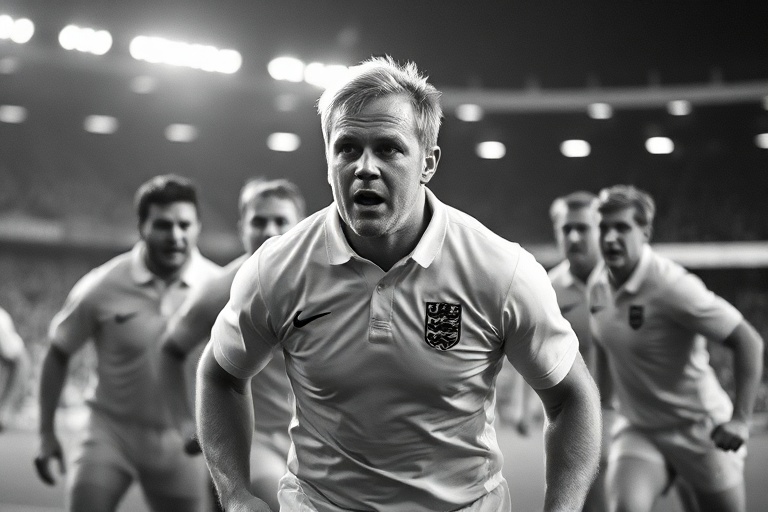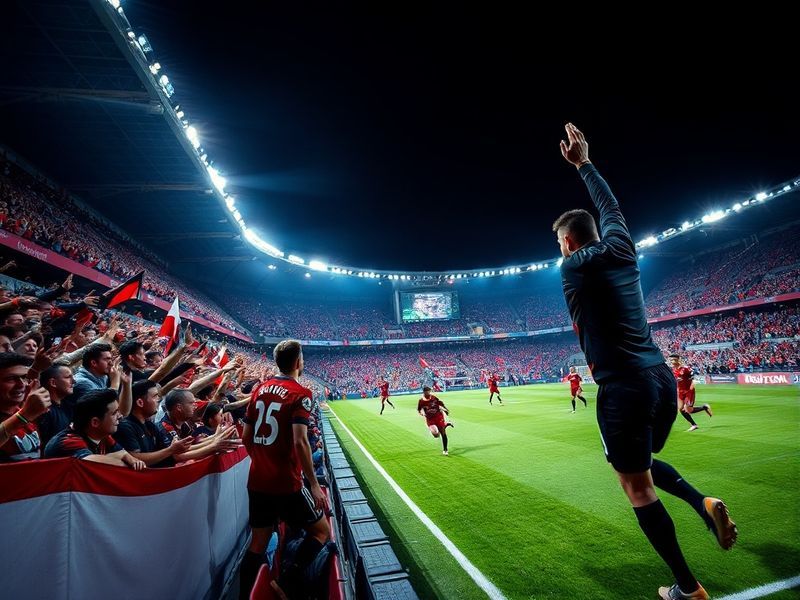
When SC Freiburg faced Celta Vigo in the UEFA Europa League, football fans witnessed a tactical battle between two distinct styles of play. The German side, known for its high-pressing and attacking flair, met the Spanish team, which prioritized possession and patient build-up. This matchup offered more than just a contest on the pitch—it highlighted the evolution of European football and the different philosophies clubs adopt when competing at the continental level.
Tactical Approaches: Press vs Possession
Christian Streich’s Freiburg entered the match with a clear game plan: disrupt Celta Vigo’s rhythm through aggressive pressing and quick transitions. The Black Forest club has built its reputation on this high-energy approach, often overwhelming opponents in the Bundesliga with relentless pressure. Freiburg’s frontline, led by forward Vincenzo Grifo, looked to cut off passing lanes and force mistakes in deep areas of the pitch.
Celta Vigo, under Eduardo Coudet, took a contrasting route. The Galician side favored a more deliberate style, retaining possession in midfield and probing for openings. Their midfield trio of Renato Tapia, Iago Aspas, and Gabri Veiga aimed to control the tempo, using short, sharp passes to dismantle Freiburg’s press. This tactical duel set the stage for a fascinating battle of ideologies.
- Freiburg’s strengths: Speed in transition, pressing intensity, and attacking width through wing-backs.
- Celta Vigo’s strengths: Midfield control, technical precision, and clinical finishing from Aspas.
Key Player Matchups That Defined the Game
The individual battles within the larger tactical framework played a crucial role in determining the outcome. One standout duel occurred between Freiburg’s midfield general, Maximilian Eggestein, and Celta Vigo’s defensive anchor, Tapia. Eggestein’s ability to progress the ball vertically clashed with Tapia’s disciplined positioning, creating moments of tension in midfield.
Up front, Grifo’s movement troubled Celta’s backline, particularly when he drifted into half-spaces to link play. His work rate and link-up play kept the Spanish defense on the back foot, while Aspas posed a constant threat on the counter. The duel between Freiburg’s young goalkeeper, Noah Atubolu, and Aspas’s finishing ability also became a focal point, with the German shot-stopper making crucial saves to preserve his team’s lead.
Another intriguing matchup occurred between Freiburg’s center-backs, Philipp Lienhart and Matthias Ginter, and Celta Vigo’s forward line. Lienhart’s composure on the ball contrasted with Ginter’s aggressive aerial presence, while Celta’s strikers, Borja Iglesias and Iago Aspas, tested the Freiburg defense with their intelligent runs and hold-up play.
Moments That Shifted Momentum
The game’s narrative was shaped by several key moments, each altering the flow of play. Freiburg struck first in the 28th minute when Grifo capitalized on a defensive error to slot home. The goal stemmed from a well-worked corner routine, showcasing Freiburg’s set-piece prowess. Celta Vigo responded almost immediately, with Aspas testing Atubolu with a curling effort from outside the box.
A turning point arrived in the 62nd minute when Celta Vigo’s Veiga threaded a perfect through ball to Aspas, who rounded Atubolu but was denied by a last-ditch Ginter tackle. The miss proved costly as Freiburg doubled their lead moments later through a counterattack finished by Roland Sallai. The goal exposed Celta’s vulnerability in transition, a recurring issue for teams facing Freiburg’s rapid forwards.
Celta Vigo pushed for a late response, with substitute Carles Pérez coming close to scoring in the 85th minute. His shot rattled the crossbar, a reminder of the Spanish side’s attacking intent. However, Freiburg held firm, securing a 2-0 victory that reinforced their reputation as a team capable of competing with Europe’s elite.
What This Result Means for Both Teams
For Freiburg, the win was a statement of intent. The club has steadily climbed the European football ladder, and performances like this against established sides validate their progress. Streich’s system continues to evolve, blending youthful exuberance with tactical sophistication. The victory also provided a morale boost ahead of their Bundesliga campaign, proving they can handle the demands of continental competition.
Celta Vigo, meanwhile, will reflect on missed opportunities. While their possession-based approach kept them in the game, their lack of cutting edge in the final third remains a concern. The miss by Aspas highlighted the fine margins in European football, where clinical finishing often separates success from disappointment. For a team with aspirations of progressing further in the Europa League, refining their finishing and defensive solidity will be priorities.
Both sides now turn their attention to domestic duties, but the lessons from this match will linger. Freiburg can take confidence from their ability to execute under pressure, while Celta Vigo will need to address their inconsistencies if they aim to challenge for a top-half finish in La Liga. The clash between these two teams offered a microcosm of modern European football—where tactical innovation and individual brilliance often decide the tightest of contests.
For fans of the Europa League, this fixture was a reminder of why the competition remains so compelling. It showcased the beauty of tactical diversity, the importance of marginal gains, and the drama that unfolds when two distinct footballing philosophies collide.
If you’re looking to dive deeper into tactical discussions, explore our Analysis section. For more on European football’s evolving landscape, check out our Sports category.