Sierra Nevada Winter Storm: A Rare Display of Mountain Power
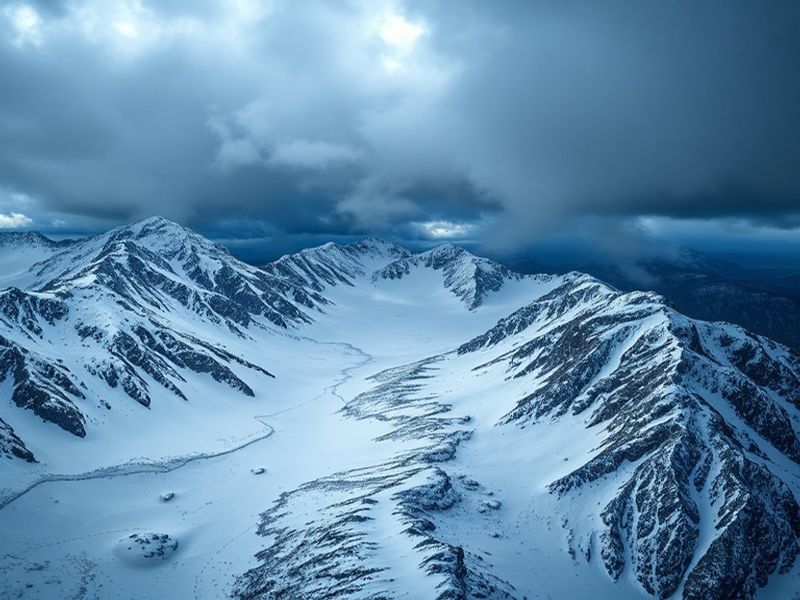
The Sierra Nevada mountain range, stretching over 400 miles across California and Nevada, has once again demonstrated its unmatched capacity for dramatic weather. A powerful winter storm swept through the region last week, dumping heavy snowfall and creating hazardous conditions for travelers and residents alike. This event was not just another seasonal disturbance—it was a reminder of the Sierra’s ability to disrupt lives while showcasing nature’s raw intensity.
Meteorologists tracking the storm noted its rapid intensification as it collided with a cold air mass over the mountains. Within hours, snowfall rates exceeded two inches per hour in some areas, with higher elevations receiving over three feet of fresh powder. The National Weather Service issued multiple winter storm warnings, emphasizing the dangers of whiteout conditions and avalanche risks. Resorts like Palisades Tahoe and Mammoth Mountain, already prepared for peak season, saw operations temporarily halted as crews worked to clear roads and restore lifts.
The Human Impact: Travel Disruptions and Safety Concerns
For communities nestled in the Sierra’s shadow, the storm brought both challenges and temporary respite. Interstate 80, a critical artery connecting Sacramento to Reno, became impassable for over 12 hours due to drifting snow and high winds. Caltrans crews deployed plows and chain control teams, but the sheer volume of snow overwhelmed their efforts initially. Residents in Truckee and South Lake Tahoe stocked up on supplies, bracing for potential power outages—a common occurrence during extreme weather in the region.
Anecdotal reports from stranded motorists painted a picture of resilience. One traveler described spending six hours in a snowbank near Donner Summit before being rescued by a Caltrans plow. Another family, caught in a sudden whiteout near Echo Summit, relied on their vehicle’s emergency kit and a portable heater to stay warm until help arrived. These stories underscore the unpredictability of Sierra Nevada winters, where a storm’s severity can escalate in minutes.
Environmental and Economic Consequences
Beyond the immediate disruptions, the storm carried long-term implications for the region’s ecosystem and economy. Ecologists noted that heavy snowfall could benefit the Sierra’s water supply, replenishing reservoirs like Lake Tahoe and the Truckee River. The snowpack, which serves as a natural reservoir, was measured at 150% of the historical average for this time of year—a promising sign after years of drought. However, the same snow that fills these vital water sources can also trigger landslides and avalanches, posing risks to both wildlife and infrastructure.
The economic ripple effects were felt across multiple industries. Ski resorts, which rely on consistent snowfall for revenue, welcomed the early-season boost. Mammoth Mountain reported a 20% increase in skier visits during the storm’s aftermath, while smaller resorts struggled with road closures and limited access. Meanwhile, local businesses in mountain towns faced a mixed bag: some saw surges in sales as residents prepared for the storm, while others dealt with supply chain delays that hampered restocking efforts.
Lessons from the Storm: Preparedness and Adaptation
As the storm subsided and communities began the cleanup process, experts emphasized the importance of preparedness. The Sierra Nevada is no stranger to extreme weather, yet each event reveals gaps in infrastructure and public awareness. Local authorities are now reviewing response times and communication strategies to improve future resilience. Recommendations included expanding real-time road condition updates and enhancing emergency alert systems for tourists unfamiliar with mountain driving.
For outdoor enthusiasts, the storm served as a stark reminder of the Sierra’s unpredictability. Avalanche centers issued warnings for backcountry travelers, urging them to avoid steep terrain and carry essential safety gear. The Sierra Avalanche Center noted a spike in rescues during the storm, highlighting the dangers of venturing into uncontrolled areas without proper training. Meanwhile, photographers and skiers documented the storm’s aftermath, capturing the stark beauty of snow-laden forests and frozen waterfalls—a testament to the Sierra’s dual nature as both a playground and a force of nature.
As the region digs out from under the latest winter onslaught, residents and officials are left with a renewed appreciation for the Sierra Nevada’s power. While the storm brought hardship, it also reinforced the mountain range’s role as a vital resource and a symbol of nature’s majesty. Preparing for the next event will require collaboration between meteorologists, local governments, and communities, ensuring that the Sierra remains a place of both awe and safety.
For those interested in tracking the Sierra’s snowpack levels and weather patterns, Dave’s Locker Travel section offers regular updates and insights. Whether you’re a seasoned mountaineer or a curious traveler, staying informed is key to navigating the Sierra’s ever-changing landscape.
What’s Next for the Sierra?
The storm’s aftermath leaves many wondering what lies ahead. Forecasters predict a return to milder conditions, but the Sierra’s weather patterns remain notoriously volatile. Residents are advised to stay vigilant, while skiers and snowboarders can look forward to a robust season. For now, the mountains stand silent and white, a temporary blank slate waiting to be written by the next chapter of winter.
One thing is certain: the Sierra Nevada will continue to command attention, whether as a source of recreation, a provider of water, or a force of nature that demands respect. The latest storm was a reminder that in this landscape, human plans are always subject to the whims of the wind and snow.