Walt Disney World Resort: A Legacy of Magic and Innovation
“`html
Walt Disney World Resort: A Legacy of Magic and Innovation
Since its opening in 1971, Walt Disney World Resort in Orlando, Florida, has evolved from a single theme park into a sprawling entertainment empire. More than just a vacation destination, it represents a masterclass in storytelling, engineering, and customer experience design. The resort’s influence extends far beyond its gates, shaping global tourism, pop culture, and even urban planning.
The Genesis of a Dream
Walt Disney’s original vision for the Florida Project began in the 1950s as a response to the limitations of Disneyland in California. Frustrated by local ordinances and space constraints, Disney sought to create an entirely new kind of destination—one that could grow organically while maintaining tight creative control. His concept of an “Experimental Prototype Community of Tomorrow” (EPCOT) was initially intended as a futuristic city, but after his death in 1966, the company pivoted to focus on a theme park instead.
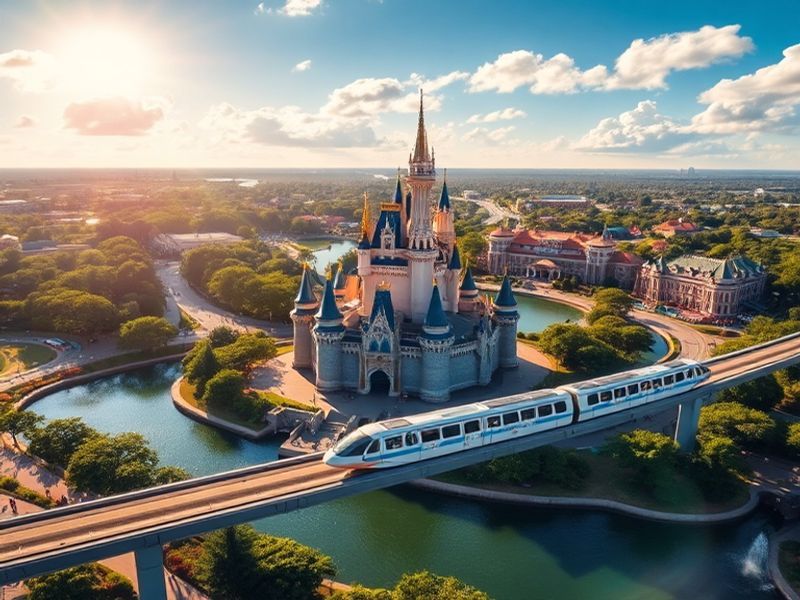
The Magic Kingdom, the resort’s flagship park, opened on October 1, 1971, with just 23 attractions. Today, the resort spans over 27,000 acres across four theme parks, two water parks, 25 resort hotels, and countless entertainment venues. Its evolution reflects broader trends in the entertainment industry, from the rise of immersive experiences to the integration of technology and storytelling.
A Timeline of Expansion
The resort’s growth has mirrored Disney’s ambitions:
- 1971: Magic Kingdom and two resort hotels open.
- 1982: EPCOT Center debuts, blending education with entertainment.
- 1989: Disney-MGM Studios (now Hollywood Studios) launches, capitalizing on the golden age of cinema.
- 1998: Animal Kingdom opens, pushing boundaries in zoo design and conservation messaging.
- 2012: The resort celebrates its 40th anniversary with the “Let the Memories Begin” campaign, emphasizing personal connections to the experience.
- 2020s: Pandemic-era adaptations, including virtual queues and enhanced digital integration, redefine guest interactions.
Beyond the Parks: The Business of Magic
Walt Disney World is not merely an amusement park; it’s a vertically integrated business ecosystem. The resort’s economic impact is staggering: it generates tens of billions of dollars annually and supports over 75,000 jobs in Central Florida alone. Its success has spawned a cottage industry of Disney-themed merchandise, fan conventions, and even academic studies on its operational strategies.
One of the resort’s most significant innovations is its tiered pricing model, introduced in 2018. This dynamic pricing system adjusts ticket costs based on demand, a strategy borrowed from the airline industry. While controversial among guests, it reflects Disney’s broader shift toward data-driven decision-making. The company’s use of wearable MagicBands, which track guest movements and preferences, exemplifies this approach. These bands, introduced in 2013, streamline park entry and payments while providing Disney with invaluable insights into guest behavior.
The resort’s influence extends to the hospitality sector as well. Disney’s Imagineers have redefined the concept of a themed hotel, creating immersive environments where every detail—from the carpet patterns to the scent in the air—contributes to the narrative. This attention to detail has set a new standard for the industry, inspiring competitors to prioritize theming over mere convenience.
The Cultural Footprint of a Global Icon
Walt Disney World’s cultural impact is difficult to overstate. It has shaped the childhoods of generations, becoming a rite of passage for families worldwide. The resort’s ability to evoke nostalgia while remaining relevant has allowed it to transcend its original purpose. For many, a trip to Disney World is more than a vacation; it’s a pilgrimage to a place where childhood dreams feel tangible.
However, the resort’s cultural legacy is not without controversy. Critics argue that Disney’s sanitized version of history and its corporate influence on public spaces reflect a broader trend of commercializing childhood. The company’s acquisition of Marvel, Star Wars, and 20th Century Fox has further expanded its reach, blurring the lines between Disney’s original brand of family entertainment and its newer, more mature franchises.
Despite these critiques, Disney World remains a barometer for societal trends. The introduction of the “Hall of Presidents” in the Magic Kingdom, featuring lifelike animatronics of U.S. leaders, sparked debates about historical accuracy and political messaging. Similarly, the resort’s annual festivals, like EPCOT’s Food & Wine, highlight the growing demand for culinary tourism and cultural exchange.
The Future of the Magic Kingdom
The next chapter for Walt Disney World is likely to be defined by two key trends: technology and sustainability. The resort has already embraced augmented reality with experiences like the “Star Wars: Rise of the Resistance” ride, which uses advanced trackless ride systems and immersive sets to create a sense of presence. Meanwhile, initiatives like the “Disney Conservation Fund” and the resort’s commitment to zero net greenhouse gas emissions by 2030 signal a shift toward environmental responsibility.
Another area of focus is accessibility. Disney has made strides in recent years to accommodate guests with disabilities, from sensory-friendly experiences to wheelchair-accessible attractions. These efforts reflect a broader industry trend toward inclusivity, ensuring that the magic of Disney is accessible to as many people as possible.
Yet, challenges remain. The resort’s aging infrastructure, rising ticket prices, and competition from other entertainment options—such as immersive theaters and gaming experiences—pose ongoing threats. Disney’s response has been to double down on innovation, with projects like the upcoming “Disney World 50th Anniversary Celebration” promising new attractions and experiences designed to captivate both longtime fans and first-time visitors.
Key Takeaways for Visitors
For those planning a trip, here are some essential tips:
- Plan Ahead: Use the My Disney Experience app to book Genie+ reservations and check wait times in real-time.
- Stay On-Site: Disney resort guests enjoy perks like early park entry and free transportation.
- Explore Beyond the Parks: Consider visiting Disney Springs or the ESPN Wide World of Sports for a change of pace.
- Budget Wisely: Between tickets, food, and souvenirs, costs can add up quickly. Set a spending limit before you arrive.
- Embrace the Unexpected: Some of the best memories happen outside the planned itinerary—whether it’s a spontaneous character meet-and-greet or a hidden Easter egg in a park.
Walt Disney World Resort is more than a collection of theme parks; it’s a living, evolving entity that continues to shape the way we think about entertainment, hospitality, and even storytelling. As it enters its sixth decade, the resort stands as a testament to the enduring power of imagination—a place where dreams are not just seen but felt.
For those who have experienced its magic firsthand, Disney World is more than a destination. It’s a memory, a milestone, and for many, a second home. As the resort continues to innovate and adapt, one thing remains certain: the spirit of Walt Disney’s original vision lives on in every corner of this extraordinary place.
For more insights into family travel and entertainment, visit our Travel and Entertainment sections.