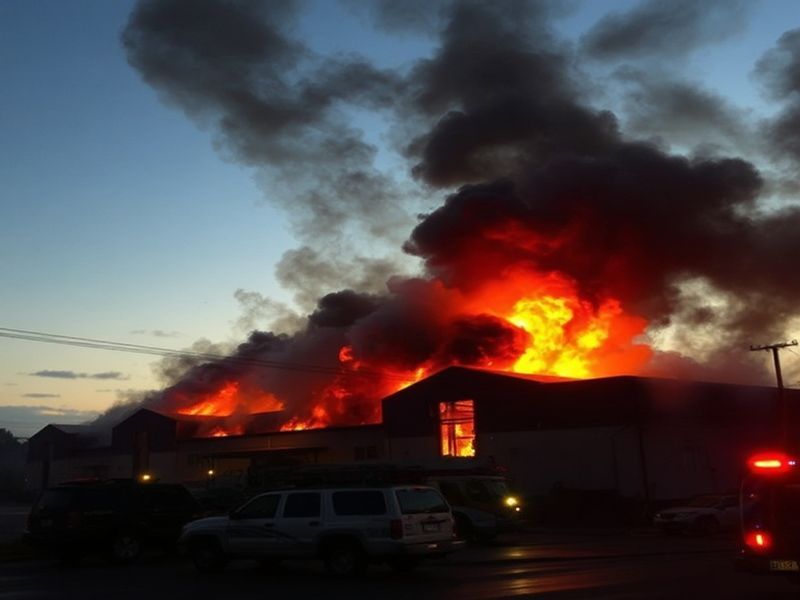
Warehouse fires pose significant threats to businesses, employees, and communities. These incidents can lead to devastating financial losses, injuries, or even fatalities. Understanding the root causes, implementing robust prevention strategies, and preparing for recovery are critical for warehouse operators and safety professionals. Recent data from the National Fire Protection Association (NFPA) indicates that warehouse fires account for approximately 1,200 reported fires annually in the United States, resulting in millions of dollars in property damage.
The Leading Causes of Warehouse Fires
Warehouse fires often originate from preventable sources. Electrical malfunctions rank among the top causes, particularly in older facilities with outdated wiring. Overloaded circuits, faulty equipment, and improper use of extension cords contribute to these risks. According to a 2022 report by the U.S. Fire Administration, electrical issues accounted for 24% of warehouse fires nationwide.
Human error also plays a significant role. Improper storage of flammable materials, such as chemicals or aerosols, can lead to accidental ignition. Smoking near storage areas or using open flames without proper precautions further increases the danger. In some cases, arson or vandalism has been identified as the cause, highlighting the need for enhanced security measures.
Mechanical failures in machinery, such as forklifts or conveyor systems, can generate sparks or excessive heat. These incidents often occur in high-activity environments where equipment is frequently used without adequate maintenance. Dust accumulation from wood, paper, or other materials can also pose a severe fire risk, particularly in facilities lacking proper ventilation or dust collection systems.
Common Sources of Ignition in Warehouses
- Faulty electrical wiring or overloaded circuits
- Improper storage of flammable liquids or gases
- Hot work operations (welding, cutting, or grinding)
- Malfunctioning heating equipment or HVAC systems
- Spontaneous combustion of stored materials (e.g., oily rags)
Prevention Strategies for Warehouse Safety
Preventing warehouse fires requires a proactive approach that combines technology, training, and strict adherence to safety protocols. Installing an automatic sprinkler system is one of the most effective measures, as it can suppress or extinguish fires before they spread. According to the NFPA, sprinklers reduce the average property loss in warehouse fires by 68%. However, many older warehouses lack these systems, making them particularly vulnerable.
Regular inspections of electrical systems, machinery, and storage practices are essential. Warehouse managers should conduct routine checks for frayed wires, overheating equipment, and proper storage of hazardous materials. Implementing a “hot work permit” system for tasks like welding or cutting can minimize risks associated with open flames and sparks.
Employee training is another critical component. Workers should be educated on fire hazards, emergency procedures, and the proper use of fire extinguishers. Simulated fire drills can reinforce these lessons and ensure everyone knows how to respond in an emergency. Additionally, maintaining clear aisles and unobstructed exits can prevent fires from spreading rapidly and facilitate safe evacuations.
Technology offers advanced solutions as well. Fire detection systems with heat and smoke sensors can provide early warnings, while automated monitoring systems allow for real-time alerts. Some warehouses now use thermal imaging cameras to detect overheating equipment before it becomes a fire hazard. Investing in these technologies, though costly, can save lives and reduce financial losses.
Case Studies: Lessons from Recent Warehouse Fires
Examining past incidents provides valuable insights into the consequences of inadequate fire safety measures. In 2020, a massive fire at a major e-commerce warehouse in New Jersey caused an estimated $15 million in damages. Investigators attributed the blaze to an electrical malfunction in outdated wiring. The fire spread quickly due to the warehouse’s open floor plan and lack of sprinklers, resulting in a partial collapse of the structure.
Another notable incident occurred in 2019 at a California warehouse storing lithium-ion batteries. The fire, which burned for over 36 hours, required specialized hazmat teams to contain it. Investigators later determined that the batteries had been improperly stored, leading to thermal runaway—a dangerous reaction that caused the fire to escalate uncontrollably. This incident prompted stricter regulations for battery storage in warehouses nationwide.
These case studies underscore the importance of adhering to safety codes and investing in preventive measures. Warehouse fires not only result in property damage but also disrupt supply chains, leading to economic ripple effects. Businesses that prioritize fire safety can avoid these costly disruptions and protect their workforce.
Key Takeaways from Warehouse Fire Incidents
- Outdated electrical systems are a leading cause of warehouse fires.
- Lack of sprinkler systems significantly increases property damage.
- Improper storage of hazardous materials can lead to catastrophic fires.
- Inadequate employee training delays effective emergency responses.
- Regulatory compliance is essential but often overlooked in older facilities.
Recovery and Lessons Learned After a Warehouse Fire
When a fire occurs, the recovery process begins immediately. The first priority is ensuring the safety of all personnel and securing the site to prevent unauthorized access. Once the fire is extinguished, investigators assess the damage to determine the cause and origin. This process can take days or even weeks, depending on the severity of the fire.
Businesses must navigate a complex web of insurance claims, repairs, and potential legal liabilities. A thorough fire damage assessment is critical to accurately document losses for insurance purposes. Engaging a professional restoration company can help salvage undamaged inventory and restore the facility to operational status. However, the emotional toll on employees and the local community can be profound, particularly if injuries or fatalities occur.
In the aftermath, warehouse operators often reevaluate their fire safety protocols. Upgrading to modern fire suppression systems, revising storage practices, and enhancing employee training become top priorities. Some businesses also implement stricter vendor vetting processes to ensure third-party contractors adhere to safety standards.
The long-term impact of a warehouse fire extends beyond immediate financial losses. Supply chain disruptions can affect customers and partners, damaging a company’s reputation. Businesses that demonstrate a commitment to safety and recovery can rebuild trust with stakeholders and emerge stronger from the crisis.
Conclusion: Prioritizing Fire Safety in Warehouses
Warehouse fires are preventable tragedies that demand attention from business leaders, safety professionals, and regulators. By understanding the common causes—such as electrical malfunctions, human error, and improper storage—warehouse operators can implement targeted prevention strategies. Investing in modern fire suppression systems, conducting regular inspections, and prioritizing employee training are essential steps toward mitigating risks.
Case studies from recent incidents highlight the devastating consequences of neglecting fire safety. From electrical fires in outdated facilities to fires caused by improperly stored hazardous materials, these examples serve as cautionary tales. Recovery from a warehouse fire is a complex process that requires careful planning, insurance coordination, and a commitment to restoring operations safely.
As warehouses continue to evolve with automation and new technologies, fire safety must remain a top priority. Businesses that proactively address risks will not only protect their assets and employees but also contribute to the overall resilience of their communities. For those looking to enhance their warehouse safety protocols, comprehensive safety guidelines and equipment maintenance tips are valuable resources.