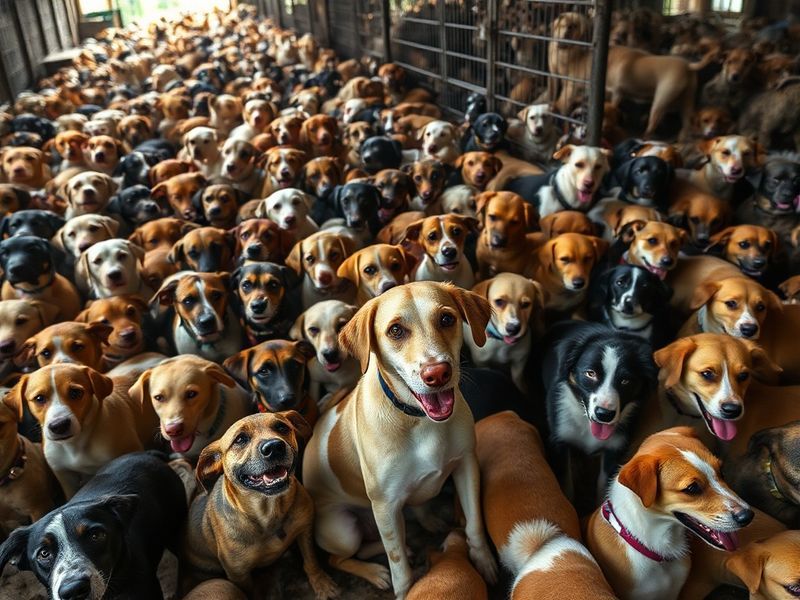
In a quiet corner of Mexico City, rescue workers loaded the last of 250 dogs onto a specially outfitted transport vehicle. The dogs, many rescued from overcrowded shelters or abandoned streets, represented more than just a number—they symbolized hope. This rescue, part of a growing international trend, highlights how communities worldwide are stepping up to address animal welfare crises.
Across continents, from the favelas of Brazil to the suburbs of Los Angeles, dogs face abandonment, neglect, and overcrowded shelter conditions. According to the World Health Organization, there are an estimated 200 million stray dogs globally, many of which suffer from malnutrition, disease, and abuse. The rescue of 250 dogs in any single operation is not just a logistical achievement; it reflects a deeper cultural shift toward recognizing animals as sentient beings deserving of compassion.
The Rescue Operation: Logistics and Challenges
The rescue unfolded over three days in a neighborhood where reports of animal cruelty had surged. Local authorities, working with international animal welfare organizations, coordinated the effort. Volunteers arrived early each morning, equipped with crates, medical kits, and tranquilizer darts for the most anxious dogs. The process required careful planning:
- Early morning sweeps to catch dogs before they scattered into busy streets
- On-site veterinary screenings for signs of illness or injury
- Temporary housing in climate-controlled tents to prevent stress
- Transport coordination to ensure safe arrival at partner shelters
One rescuer noted, “We expected resistance from some dog owners, but many were relieved to surrender their pets when they realized we could provide better care.” This reflects a growing awareness in urban communities that responsible pet ownership includes preventing overpopulation.
A Global Pattern: Why Large-Scale Rescues Are Increasing
Rescues of this magnitude are becoming more common, driven by several global factors. First, social media has amplified awareness. Viral videos of starving or abused dogs often lead to public outrage and coordinated rescue efforts. Second, international NGOs have expanded their reach, partnering with local governments to fund large-scale operations. Third, the pandemic left many households unable to care for pets after financial instability set in.
In India, for example, rescues of over 100 dogs from illegal breeding operations have become frequent. In Romania, a country known for its stray dog crisis, NGOs have rescued thousands annually, spurring legislative change. These efforts are not isolated—they form a global network of activists, veterinarians, and donors working toward sustainable solutions.
In the United States, organizations like Dave’s Locker’s animal welfare section have documented a 30% increase in large-scale rescues over the past two years. Many of these involve dogs from the American South, where shelter overcrowding is severe due to lax spay/neuter laws.
The Cultural Context: How Different Societies View Animal Rescue
Not every culture approaches animal rescue the same way. In Japan, for instance, the concept of “mottainai”—a sense of regret over waste—has led to increased efforts to rehome abandoned pets. However, Japan’s aging population and urban density create unique challenges. In contrast, countries like Egypt face cultural stigma; dogs are often associated with impurity in some communities, complicating rescue efforts.
In Latin America, the Catholic tradition of animal blessing ceremonies, such as the annual “Blessing of the Animals” on the Feast of Saint Francis, has helped normalize compassion toward stray animals. This cultural acceptance has made rescues like the one in Mexico City more feasible.
Meanwhile, in Europe, stringent animal welfare laws have led to a focus on prevention rather than rescue. Countries like Sweden and Germany prioritize spay/neuter programs and strict breeding regulations, reducing the need for large-scale interventions. Yet even in these nations, rescues still occur when cruelty cases emerge.
The Road Ahead: What Happens Next for the Rescued Dogs
The 250 dogs from this rescue are now in temporary shelters, receiving medical care, vaccinations, and behavioral assessments. Most will be placed in foster homes or adopted through partner organizations. However, the journey is far from over. For many, the trauma of abandonment lingers, requiring patience and specialized training.
Organizations involved in the rescue have outlined a multi-phase plan:
- Medical stabilization: Treating injuries, parasites, and chronic conditions
- Behavioral rehabilitation: Socializing fearful or aggressive dogs
- Adoption fairs: Partnering with local businesses to showcase adoptable dogs
- Follow-up support: Ensuring adopted dogs remain in loving homes
Some dogs may never be adoptable due to severe trauma or illness. For these, sanctuaries provide lifelong care. The cost of such operations is high—often exceeding $50,000 per rescue—but supporters argue it’s a necessary investment in compassion.
Looking ahead, experts believe prevention will be key. Public education campaigns, subsidized spay/neuter programs, and stronger animal cruelty laws could reduce the need for large-scale rescues. Yet for now, the work continues, one dog at a time.
A Call to Action: How Readers Can Help
Animal welfare is not just the responsibility of large organizations. Individuals can make a difference. Donating to reputable rescues, volunteering at local shelters, or fostering dogs in transition are all impactful steps. For those unable to commit time, simply sharing rescue stories on social media can raise awareness and pressure authorities to act.
Dave’s Locker encourages readers to explore the animal welfare resources available on our platform. Whether it’s learning about breed-specific rescues or understanding how to advocate for policy change, every action counts.
The rescue of 250 dogs is more than a headline—it’s a reminder that compassion has no borders. In a world where millions of animals suffer in silence, these efforts offer a glimmer of hope. The question now is whether humanity will continue to rise to the challenge.