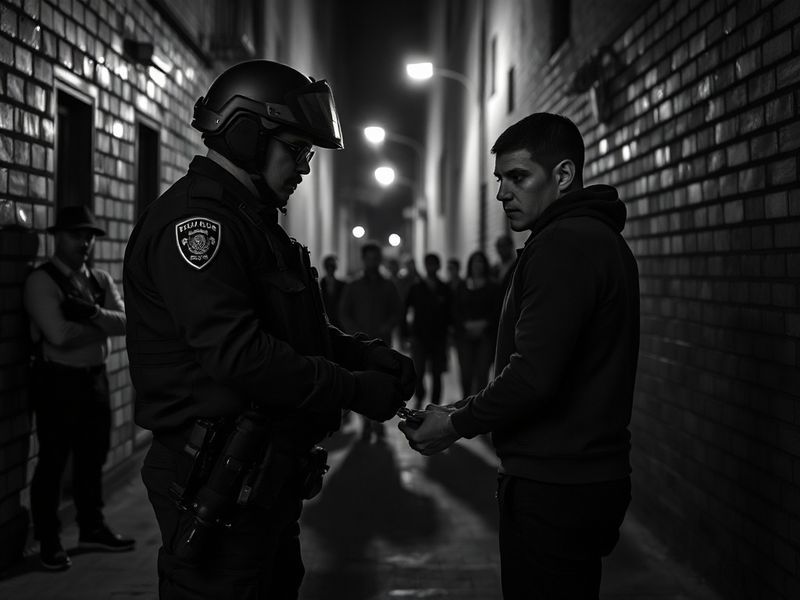
Arrest carries weight across cultures and legal systems. It represents the state’s power to detain individuals, yet its meaning shifts dramatically depending on context. In some nations, arrest signals the beginning of a fair trial; in others, it becomes a tool of oppression. Understanding arrest requires examining its legal foundations, cultural perceptions, and the controversies that surround it.
The Legal Framework of Arrest
Most legal systems define arrest as the act of depriving someone of their liberty by legal authority. The procedures vary widely. In the United States, police must have probable cause to make an arrest, following the Fourth Amendment’s protections against unreasonable seizures. Officers must inform suspects of their rights—commonly known as Miranda rights—before questioning.
Contrast this with systems like France’s, where police can hold suspects for up to 24 hours without charge under certain circumstances. Japan’s legal culture emphasizes confession, often leading to longer detentions before formal arrest. These differences highlight how arrest is not merely an event but a process embedded in legal tradition.
International law adds another layer. The United Nations’ International Covenant on Civil and Political Rights mandates that arrests must be lawful, necessary, and proportionate. Yet violations persist, from arbitrary detentions in authoritarian regimes to racial profiling in democratic societies.
Key Elements of a Lawful Arrest
- Legal Authority: Only authorized officials (police, military, or judicial officers) can make arrests.
- Probable Cause: There must be reasonable grounds to believe a crime was committed.
- Use of Force: Proportional force is permitted only when necessary to prevent escape or harm.
- Notification of Rights: Suspects must be informed of the charges against them (in most jurisdictions).
- Prompt Presentment: Detainees should be brought before a judge within a reasonable timeframe.
Cultural Perceptions of Arrest
How societies view arrest often reflects their relationship with authority. In Scandinavian countries, arrest is seen as a last resort, with emphasis on rehabilitation over punishment. Norway’s prison system, for example, prioritizes humane conditions and reintegration. Arrests there are rare and reserved for serious crimes.
In contrast, countries with high incarceration rates—such as the United States—often associate arrest with systemic issues. Mass incarceration has led to debates about racial bias in policing. Studies show that Black Americans are arrested at disproportionately higher rates than white Americans for similar offenses. This disparity fuels distrust in law enforcement and raises questions about justice.
In some cultures, arrest carries symbolic weight beyond the legal realm. In India, for instance, high-profile arrests often spark public outrage or support based on political affiliations. The arrest of activists under laws like the Unlawful Activities (Prevention) Act has become a flashpoint in debates about free speech and state overreach.
Arrest in the Digital Age
The internet has transformed how arrests are perceived and documented. Viral videos of police encounters can shape public opinion overnight. The 2020 killing of George Floyd during his arrest by Minneapolis police ignited global protests against police brutality. Social media amplified calls for accountability, leading to reforms in some departments.
Yet the digital age also brings risks. False arrests fueled by misinformation have ruined lives. Deepfake technology could further complicate investigations by fabricating evidence. As society grapples with these challenges, the meaning of arrest continues to evolve.
Controversies and Ethical Dilemmas
Arrest is not always about justice—sometimes it’s about power. Authoritarian regimes frequently use arrest as a weapon against dissent. In Russia, laws targeting “foreign agents” have led to the detention of journalists and activists. China’s use of “administrative detention” allows police to hold individuals for up to two weeks without trial, often in secret facilities.
Even in democracies, ethical dilemmas persist. Should police arrest someone who poses no immediate threat but has a history of violence? How do we balance public safety with individual rights? The case of Daniel Prude, who died after being restrained by police in Rochester, New York, in 2020, underscored these tensions. His family called for charges against the officers involved, while police unions argued for the need to protect officers from harm.
Another controversy involves the use of arrest warrants for minor offenses. In some U.S. cities, failure to pay fines can lead to arrest, trapping people in cycles of debt and incarceration. Advocates argue for alternatives like community service or payment plans to address these issues.
Notable Cases That Redefined Arrest
- Rodney King (1991): His arrest and the subsequent beating by Los Angeles police were caught on video, sparking the 1992 riots. The case highlighted police brutality and led to federal reforms.
- Mandela’s Arrest (1962): Nelson Mandela’s 27-year imprisonment after his arrest became a symbol of resistance against apartheid. His release in 1990 marked a turning point in South African history.
- Ahmaud Arbery (2020): His fatal shooting by civilians who pursued him under a “citizen’s arrest” law exposed flaws in self-defense statutes and sparked nationwide protests.
- Alexei Navalny (2021): The Russian opposition leader was arrested upon returning from Germany, where he recovered from a poisoning attempt. His detention drew global condemnation of Putin’s regime.
Arrest in Sports and Entertainment
Beyond the courtroom, arrest shapes narratives in sports and entertainment. Athletes face scrutiny when charged with crimes, from domestic violence to fraud. The NFL’s handling of players like Deshaun Watson—accused of sexual misconduct—has drawn criticism for inconsistent punishments. Meanwhile, leagues like the NBA have begun investing in social justice initiatives to address systemic issues tied to arrest and incarceration.
In entertainment, fictional portrayals of arrest often dramatize reality. Crime dramas like Law & Order simplify legal procedures, while documentaries like The Thin Blue Line challenge convictions by exposing flaws in arrests. These portrayals influence public perception, sometimes blurring the line between fiction and fact.
For musicians, arrest can be both a curse and a career boost. Tupac Shakur’s 1994 assault conviction—later vacated—became a defining moment in hip-hop’s relationship with law enforcement. His lyrics often reflected the struggles of Black Americans facing systemic arrests. Today, artists like Kendrick Lamar continue to explore these themes in their work.
How Arrest Stories Shape Public Discourse
High-profile arrests often dominate headlines, shaping public opinion long before trials begin. Media coverage can create a presumption of guilt, even when charges are later dropped. This phenomenon, known as “trial by media,” raises ethical questions about journalistic responsibility.
Social media accelerates this cycle. A single tweet can ignite outrage or support for someone facing arrest. In 2020, the arrest of Breonna Taylor—who was killed during a botched raid—galvanized the Black Lives Matter movement. Her name became synonymous with demands for police reform, illustrating how arrest stories transcend legal proceedings to become cultural touchstones.
Conclusion: The Future of Arrest
Arrest is a multifaceted concept, intertwined with law, culture, and power. As societies evolve, so too will the meanings and methods of arrest. Technological advancements, such as body cameras and AI-driven policing, promise greater transparency but also introduce new risks. Ethical debates will persist about when and how arrest should occur.
What remains clear is that arrest is more than a legal procedure—it is a reflection of societal values. Whether it’s a tool for justice or a weapon of control depends on who wields it and under what circumstances. Moving forward, the challenge will be ensuring that arrest serves its intended purpose: protecting communities while upholding the rights of individuals.